 EN

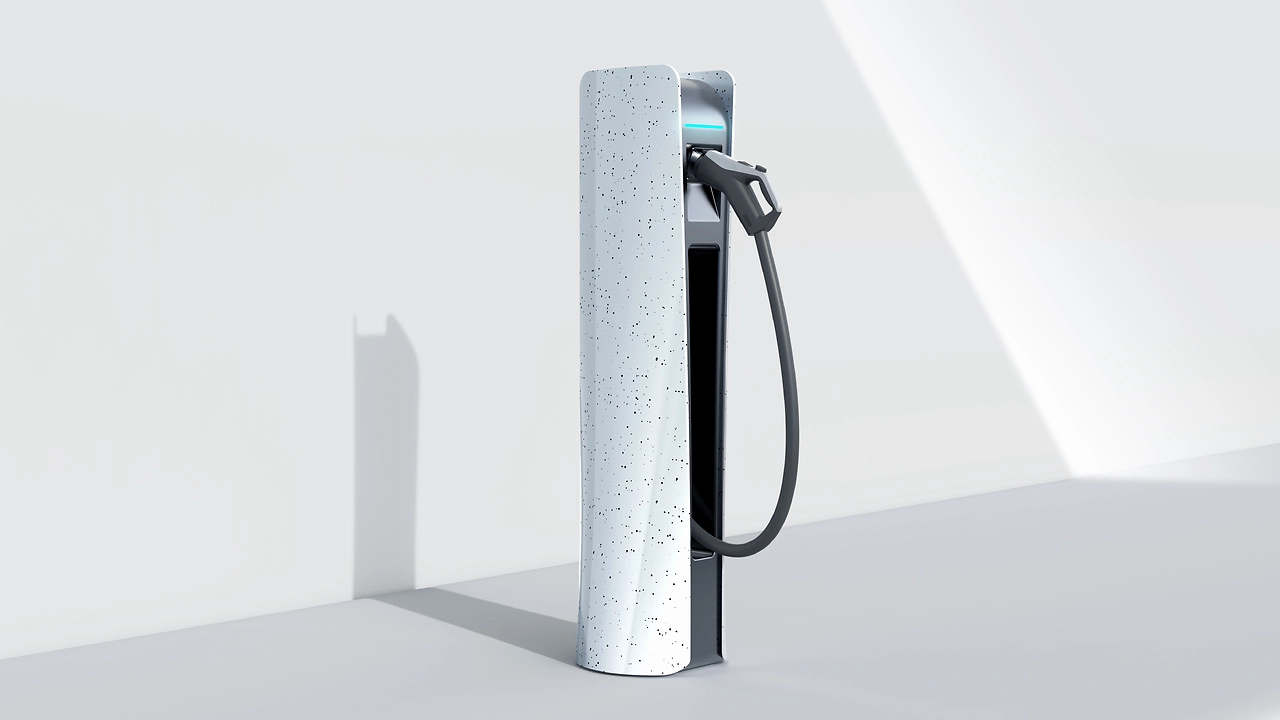
AC Charging Piles: Simple and Pervasive
An AC charging pile delivers alternating current straight to the vehicle, where the onboard charger converts it to DC. Typical residential units run at 7 kW — about 32 A on a 230 V supply — and up to 22 kW for three-phase commercial sites. These units are cheap to install, gentle on the grid, and ideal where cars dwell for hours. Workplace and home charging almost always use AC, because the vehicle charges slowly while parked and the building's existing distribution copes easily. The AC charging pile is the quiet workhorse of the shift to electric mobility.
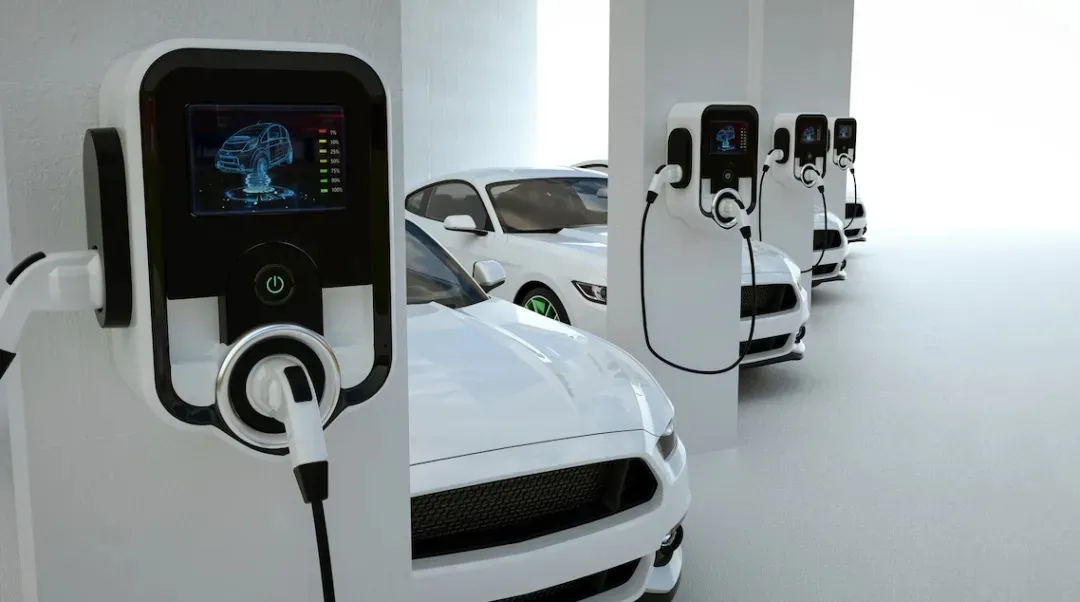
Behind the socket, the charging pile still needs protection. A dedicated residual-current device and the right breaker keep a fault from spreading. The humble AC charging pile earns its keep through simplicity, which is why it dominates home and workplace installs.
DC Charging Piles: Fast but Hungry
A DC charging pile moves the conversion inside the cabinet, feeding DC directly to the battery. Power ranges from roughly 30 kW for smaller units to 120 kW, 180 kW and beyond for highway hubs. A 120 kW charging pile can add meaningful range in twenty minutes, but it demands a robust supply, active cooling, and careful protection. Depots, fuel stations and logistics yards favor DC because vehicles cannot afford long dwell times. A DC charging pile also draws heavily on the local transformer, so siting one next to a weak feeder invites trouble.
Cooling decides what a DC charging pile can sustain. Forced-air units handle moderate duty; liquid-cooled cabinets hold high power longer. A charging pile that overheats will cut output, so enclosure and siting set real throughput.
Power Tiers in Plain Numbers
Think in three bands. Under 22 kW covers home and office AC. Between 30 kW and 60 kW suits destination and light-duty fleet DC. Above 120 kW serves highway corridors and busy public plazas. The right charging pile matches the dwell time: long parking rewards cheap AC, short stops demand expensive DC. Oversizing a charging pile wastes capital; undersizing frustrates users and shortens equipment life. Budget should follow the use case, not the brochure, and the charging pile should scale with the vehicles it actually serves.
Cost tracks power. A 7 kW charging pile costs a fraction of a 180 kW unit, and the electrical work scales the same way. Specifying a charging pile above the real need inflates the project and delays payback.
Standards and Practical Selection for Charging Piles
Standards That Make a Charging Pile Trustworthy
Credible installations follow published rules. IEC 61851 defines charging modes and safety for EV supply equipment. IEC 62196 specifies connector shapes and pinouts so a charging pile fits the vehicle, not the other way around. ISO 15118 enables plug-and-charge communication between car and charger. In North America, NFPA 70 (the NEC) Article 625 governs EVSE wiring, while UL 2594 covers charger safety; OSHA 29 CFR 1910 sets electrical-worker protections. EMC behavior follows IEC 62311, and a manufacturer operating under ISO 9001 signals consistent quality control. Hongxin Intelligent Technology brings this systems view across its smart products and distribution lines, from ring main units to combined substations, so the charging pile is one part of a controlled whole. Hongxin pairs that standards discipline with 24 years of power-industry experience.
Documentation closes the loop. A charging pile shipped with clear wiring diagrams and test records is faster to approve and safer to run, and arrives commission-ready under the traceability ISO 9001 expects.
Matching, Inspection and Maintenance
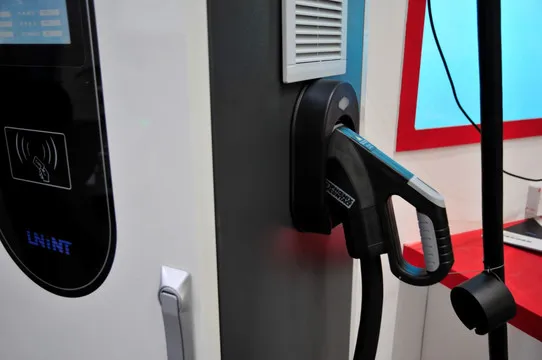
Choose a charging pile by scenario first. Homes and offices: AC, 7–22 kW. Fleet depots: DC 60–180 kW with scheduled idle windows. Highways: DC 120 kW plus with multiple connectors. Inspect monthly for loose terminals, cable wear and vent blockage; verify metering against a reference single-phase smart meter. Schedule thermal imaging yearly on the main connections. Keep firmware current for ISO 15118 compatibility. A disciplined checklist keeps a charging pile safe, available and compliant long after commissioning. Hongxin supports operators with complete lifecycle distribution solutions that keep a charging pile productive across its service life.
Training matters as much as hardware. Staff who know how to read a charging pile status and reset a tripped breaker recover service in minutes. A charging pile sitting dark because no one checked the panel costs the same as a broken one, so operator competence is part of the specification. For background on the manufacturer and its track record, see the about-us page.
Frequently Asked Questions
Question: What is the difference between AC and DC charging piles?
Answer: An AC charging pile sends alternating current to the car, where the onboard charger converts it to DC; power stays under about 22 kW for typical units. A DC charging pile converts inside the cabinet and feeds the battery directly, reaching 60–180 kW or more. AC suits long parking at home or work, while DC suits fast top-ups where vehicles cannot wait between trips.
Question: How much power does a home charging pile need?
Answer: Most homes use a 7 kW AC charging pile on a dedicated 32 A circuit at 230 V, enough to recover a daily commute overnight. Three-phase properties can reach 22 kW. A load assessment of the existing distribution is essential before installation, and a correctly rated breaker protects the circuit from thermal stress. Plan the charging pile on its own feed to avoid tripping shared breakers.
Question: Which connector standard should a public charging pile use?
Answer: Public sites should follow IEC 62196 for connector types and ISO 15118 for communication, supporting Type 2 and CCS where mixed fleets appear. This prevents adapter use and stranded drivers. Matching the charging pile plug to the local vehicle mix is the biggest factor in keeping the asset earning revenue. Confirm regional norms before purchase, since plug preference varies by market.
Question: What electrical standards apply to EV charging piles?
Answer: IEC 61851 covers charging modes and safety, IEC 62196 defines connectors, and IEC 62311 governs EMC. In the United States, NEC Article 625 and UL 2594 apply, with OSHA 29 CFR 1910 for worker safety. ISO 9001 reflects manufacturing quality. Following these keeps a charging pile safe, interoperable and inspectable across markets and inspector expectations.
Question: How often should a charging pile be maintained?
Answer: Inspect a charging pile monthly for loose terminals, cable damage and blocked ventilation. Verify the meter reading against a reference instrument quarterly, and run thermal imaging on main connections yearly. Keep firmware updated for plug-and-charge compatibility. Regular checks catch overheating and connector wear before they cause downtime or hazards, protecting both the asset and its users.
Question: Can a charging pile share a building's existing power?
Answer: Sometimes, but only after a load study. A 7 kW AC charging pile often fits an office circuit, while a 120 kW DC unit rarely does and needs a dedicated supply. Undersized feeders cause tripping and heat. Engage distribution expertise early; Hongxin Intelligent Technology designs complete power solutions that integrate charging with metering and protection, so the pile joins a planned system rather than straining one.