 EN
EN

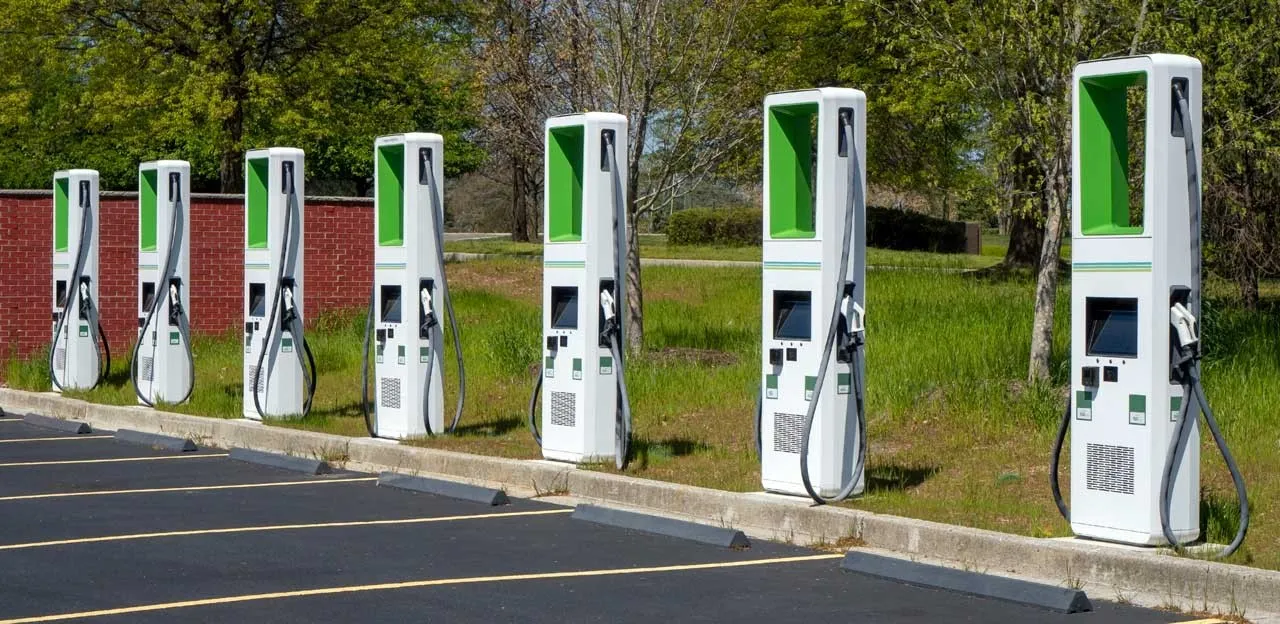
Determine Your Electrical Capacity Prior to Selecting a Charging Pile
Level 1 Charging Pile vs. Level 2 Charging Pile: Minimum for Triggering Electric System Upgrades
When adding a Level 2 charging pile, charging pile owners must conduct some capacity assessments on their electrical panels. Level 2 charging piles draw 30-80A. A Level 2 charging pile on a 100-200A panel capacity charge would be borderline exceed a maximum panel capacity for a sustained load. Segment leading causes include:
1. The 120/240V versus 240V Breaker Assignment: Level 2 charging piles must be installed on dedicated 240V double pole breakers. The common 120V single pole breakers at a Level 2 charging pile are not sufficient.
2. 125A charging pile with 40 A Breaker Assignment: level 2 charging pile left very little (25 A) of remaining capacity on a 125A panel with a 100A sustained load versus a maximum of 80%.
3. Panel Capacities of 120V: Level 2 charging piles cannot be supported on 240V panel capacities, and rewiring the house is necessary to obtain 240V.
To mitigate the risk of a fire in panel melstd's with levels 2 charging pile to significantly warmer are extremely risky.
Failure to assess the backup and charging capacity risks hazardous conditions as breaker panels and wire could conduct a fire during nighttime which is when the maximum sustained addition occurs.
Public Site Power Readiness: Utility Coordination, Demand Charges, and Feeder Sizing for Multi-Pile Deployment
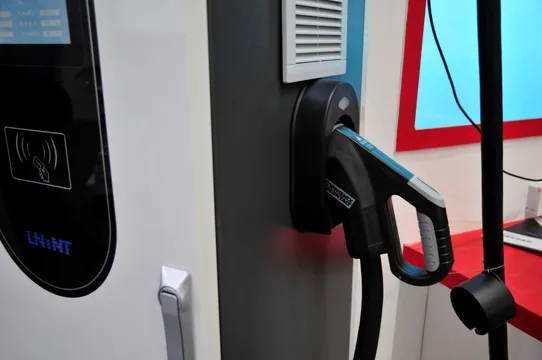
Deployment of commercial EV charging inherently initiates early engagement with local utilities beyond simple interconnections and involves considerations for long-term grid integrity. A multi-pile deployment of DC fast charging stations may place a combined demand of 400-800 kVA. This demand typically exceeds the capacity of site feeders and substation feeders. Critical planning considerations include:
Feeder and transformer sizing: Employ the IEEE 141 (Red Book) framework, model peak demand and maintain a constant under voltage drop of 5% at the last charging station.
Demand charge mitigation: Demand charges can be 30-70% of the total utility bill. Using battery buffers and/or staggered activation logic aids in flattening peak demands.
Future-ready distribution: For retail or fleet applications, design main panels to accommodate 150% of the anticipated EV charging load. This load includes consideration for the addition of charging stations and provisions for next-generation, higher wattage charging technologies.
Engaging utilities in a formal load study and interconnection application improves the chances of achieving less than 6-12 months. It eliminates costly changes to the plans at advanced stages.
Real-World Usage Pattern Integration
Residential Level 2 Charging Piles: Reasonably Priced Rapid Charging of Fully Residential Charging during the Night
At 240V, Level 2 charging piles add a range of 10-60 miles, per hour, which addresses overnight residential charging. Considering the average daily driving range of 40 miles, Americans can leave their cars at home for just 4 hours of charging to get a full charge. Thankless Level 2 charging adds a residential infrastructure cost of $500 to $2,000, compared to the $15,000+ cost of a single DC fast charging station. Level 2 charging is the best total-cost-of-ownership (TCO) option for homeowners, and paired with a residential electricity (or utility) cost of just $0.15 to $0.25 per kilowatt hour, Level 2 charging is a fast, safe, and affordable charging option.
Investment Rationale on Dwell Time, Traffic Volume, and Revenue Potential at Public Charging Sites
DC Fast Charging capabilities allow 60–100 miles of range (via 20-minute charging sessions). The 20 minute charging intervals matches typical dwell time at many most retail sites, restaurants, and highway rest areas. Profitability is reliant on location traffic volume. Sites that see over 10 charging sessions daily can earn $15,000–$30,000/year at commercial rates (i.e. $0.40+/kWh). To justify these costs:
- Charging sessions should fit into customer time spent (shopping, eating, refueling) at site. The fit is 20-45 minutes.
- Establish demand with a daily verified minimum EV traffic of >50 EVs; sites with less fail to meet unavailability from demand charge.
- Capture additional revenue. Studies have shown retail charging enabled locations see 20-35% increased revenue spend at site, charging customers vs. non-charging customers.
Demand charge may add >$10,000 monthly, however, combined with strategic placement near highly utilized restrooms, etc. - the federal 30C tax credit covers 30% of eligible costs, while ROI and broader adoption goals are maintained.
True Cost of Charging Pile Deployment: Labor, Permits, Panel Upgrades, and Incentive Capture
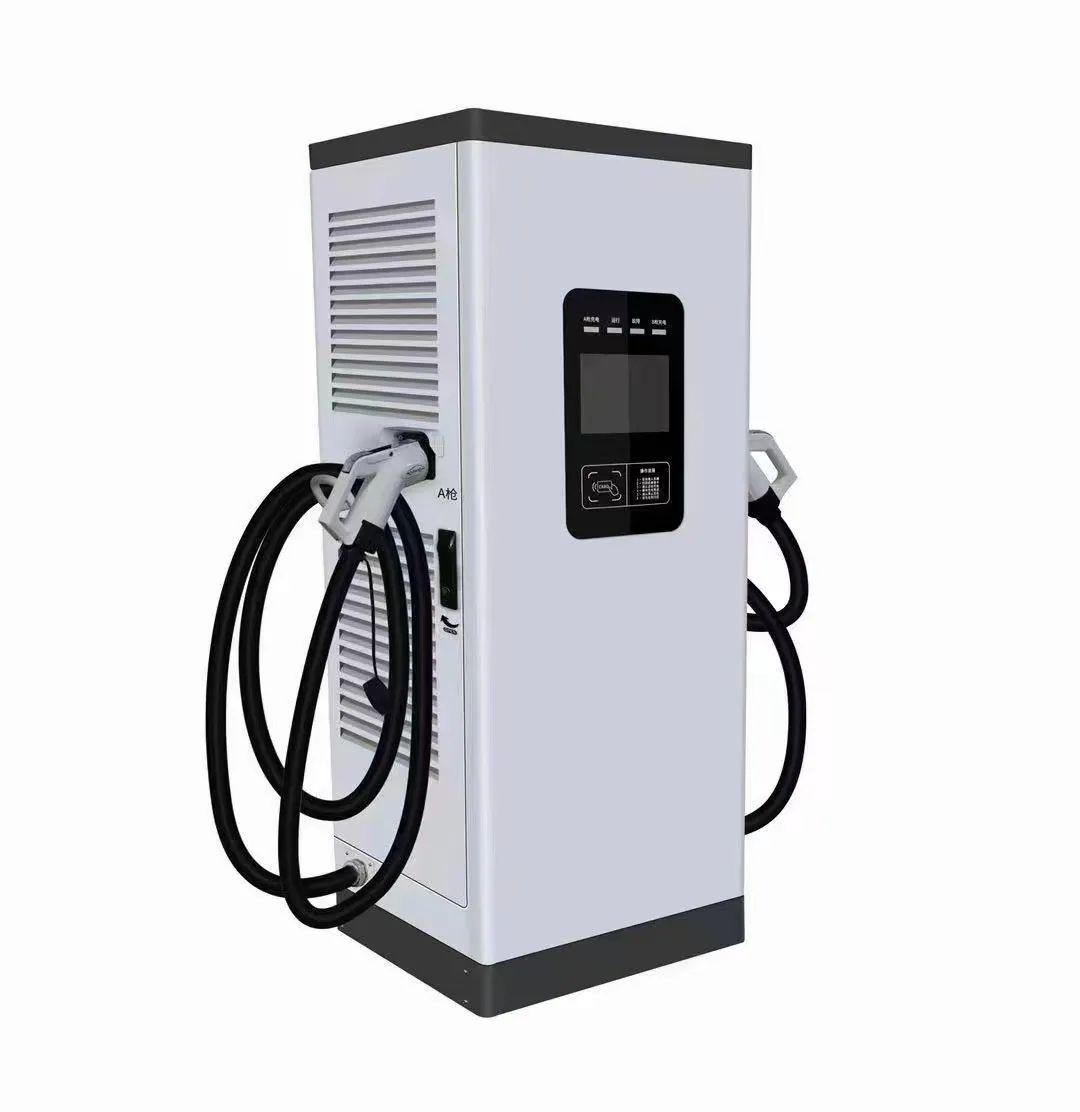
Charging infrastructure is more expensive than the apparent cost. The National Renewable Energy Laboratory (NREL) revealed that soft costs (permitting, engineering, inspections, utility interconnection) account for 30-50% of a residential project budget and 60% or more of a commercial build project. Other concealed costs are:
Certified electrician labor (typically 2-3 days per residential unit and 1-2 weeks per DC fast charger)
Pavement cutting, trenching, and runs of conduit at commercial sites
Panel or service upgrades and expansions due to lack of electrical capacity
Ongoing demand charges and other grid impact fees
Federal (30C), state, and utility incentives can offset 30-50% of costs IF they are captured appropriately. Incentives should be carefully considered to determine payback via total lifecycle costs, rather than the hardware cost. Engage incentive administrators early and at multiple project phases to ensure incentive capture eligibility, documentation, and timing compliance.
FAQ Section
Why is it critical to evaluate electrical infrastructure before the installation of a charging pile?
Evaluating electrical infrastructure addresses safety and system compatibility. It can prevent issues that may create safety hazards from things like panel overload due to insufficient capacity in a circuit that may overload and trip breakers or potentially cause a fire.
What is the range of electrical service that is with sufficient capacity for home charging piles?
The capacity of electrical service was estimated to be 100-200A for a typical residential electrical panel. However, a Level 2 charger is a 240V double-pole breaker and is a dedicated circuit. An evaluation effectively ensures that the service will not be overloaded when it is in continuous use.
What steps do public charging sites take to manage power demands?
Public charging sites build collaboration frameworks with the electric utility to keep the grid operational. They use IEEE 141 standards to model peak demands and design the appropriate feeder and transformer sizes. Demand charge mitigation strategies are put into place and resilient growth is planned for the distribution sizing.
What costs are involved with the deployment of charging piles?
Costs include the price of the pile, hardware, and electrical work. Permitting and inspection costs also apply. Some costs are due to the need for electric panel upgrades. Some of these costs can be mitigated by the appropriate capture of federal, state, and utility incentive programs. Soft costs account for a substantial share of a project budget.
In what ways do future-proof installations provide assurances?
Future-proof installs are modular in nature and use dual-protocol hardware which interfaces with all standards including but not limited to J1772, CCS, and NACS. This prevents the creation of stranded hardware and the need for large scale retrofits as time and technology..