 EN
EN

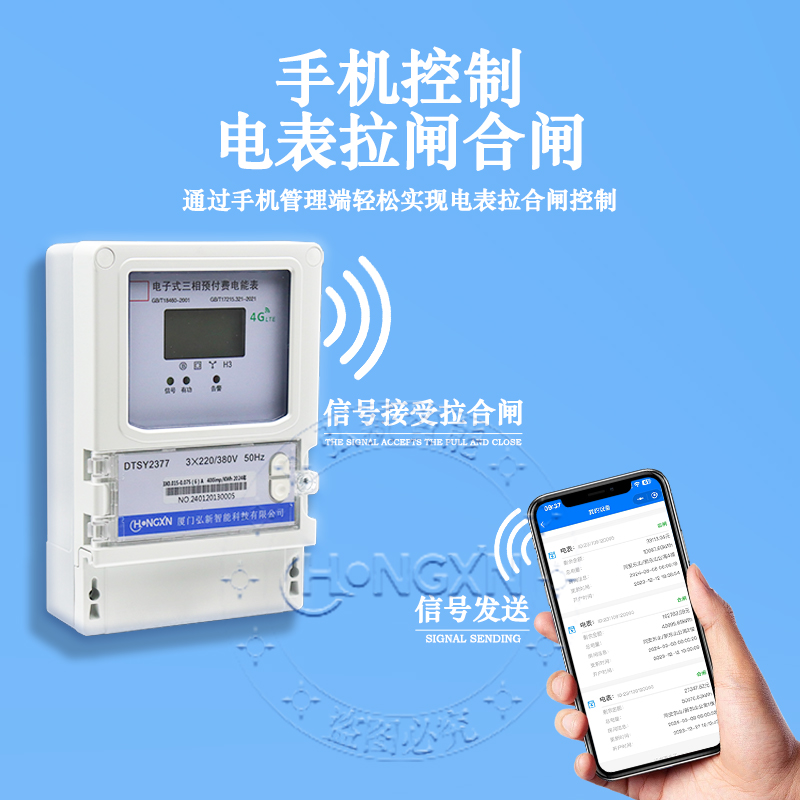
What Smart Electricity Solutions Are and Why They are Important
Smart electricity solutions employ digital systems (software, and other modern systems) to optimize electricity generation, transmission, and consumption in real time. The International Energy Agency (IEA) describes smart electricity solutions as systems that, in real time, adjust electricity generation and consumption (supply) in order to keep the electricity grid in a state of balance and minimize the costs to the utility. This is exceptionally important as the world’s energy demand is rising and the world is attempting to meet energy decarbonization requirements (reduce the use of fossil fuels) and rapidly expand the use of renewable energy sources (to reduce the use of fossil fuels). Smart electricity systems will enable the integration of persistent sources of renewable energy generation (solar and wind), predictive load balancing to prevent blackouts during peak demand, and automated fault detection that will reduce outage durations. The smart electricity solutions will also help the grids to adapt to the modern electricity flow that comes from the consumers, to fit the requirements of the modern electricity generation, and to reduce the operational costs (make the systems self-funding). These solutions will make the grids to help the consumers to operate toward the energy decarbonization goals.
The Core Elements of a Smart Electricity System
Smart Hubs, Energy Monitors, and Connected Appliances
The most important targeted smart electricity systems are meshed.
Smart Hubs integrate and connect major electricity systems. Smart Hubs control other electricity devices, connect to different devices using different communication standards, and use either Zigbee or Z-Wave communication protocols. A utility’s own utility energy monitors observe the different patterns of energy consumption and, in real time, detect energy loss proximate to a specific area. Connected devices, which are smart devices that control appliances or heaters and include WiFi thermostats and smart refrigerators, will be able to control appliances and devices in a go and in real time. These smart devices can control devices and appliances in an ecosystem. They will operate in an order during the most optimum time and may be able to operate in a go. They will operate in an order to facilitate time. and to detect energy loss.
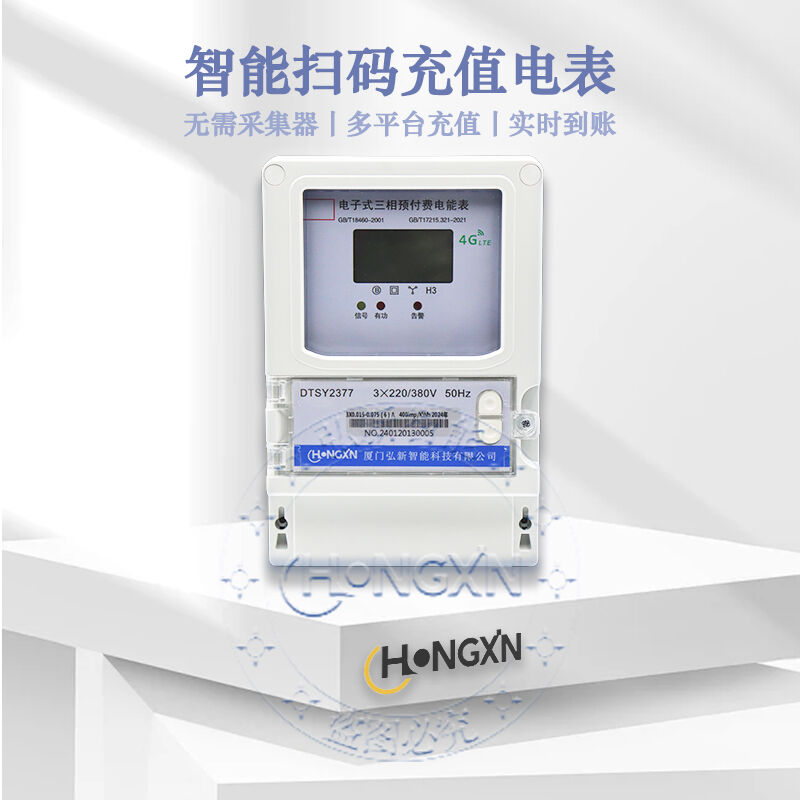
Smart Electrical Panels vs. Traditional Panels: Safety, Control, and Suitability for Solar PV
Smart electrical panels allow for the elimination of the main drawbacks associated with traditional electrical panels. These drawbacks include the lack of real time monitoring requiring active physical resetting of the tripped breakers. Smart panels include the following:
Dynamic Load Management: Reconfigures available circuits to avoid overload and significantly reduces the risk of fire.
Solar integration: Simplification of the inverter and solar PV meter for economic avoided costs.
Remote diagnostics: Identify issues such as arc fault or deteriorated insulation which, if left untended, can be corrected, and removes almost 40% of repair costs to maintain the panel. Traditional electrical panels are less capable of managing the current and future renewable sources and higher electrical consumption such as electric vehicle charging and as such evokes the broad and diverse energy future of renewable energy sources moving in.
EV charger and home battery systems transform how a customer consumes energy.
Smart home energy management systems work with electric vehicle (EV) chargers and battery systems to transform passive electricity consumption to active electricity management. Smart chargers stop charging the vehicle during peak demand time on the utility. When working with home battery systems, like lithium iron phosphate (LiFePO4) battery systems, bidirectional electricity management is achieved. Households with a bidirectional configuration see an annual electricity bill reduction of 30-60% while simultaneously benefiting the stability of the electricity grid.
Smart Electricity Performance Evaluation Criteria
Real-Time Monitoring, Automation & Predictive Load Management
Smart electricity systems offer an all-in-one solution for consumption control using real-time monitoring, energy usage, and automation. Systems break monitoring real-time data into sub-circuit levels to identify consumption spikes. Automation can meet peak load demands by switching off and on usage to load. Predictive load management uses historical data to analyze load. Through the controlled use of Artificial Intelligence, sub-circuit levels of control can be undertaken to shift the load of linear and non-linear types of electrical loading. Smart electricity systems depend on the operational core as load management.
Utility Integration, Time-of-Use Optimization, & Synergizing Renewable Energy
Smart electricity systems integrate renewables, utility integration power, and time-of-use optimization to the power of bidirectional. Time-of-use optimization systems adjust use to variable rate electricity, resulting in a cost of 20 - 30% savings. Synergizing bidirectional, utility integrated, and time-of-use variables provides control of mobile storage systems and meets demand and lowest cost. Storing, using, and returning energy to the network provides a save, stabilize, integrate, and synergize network. Synergistic systems stabilize the network.
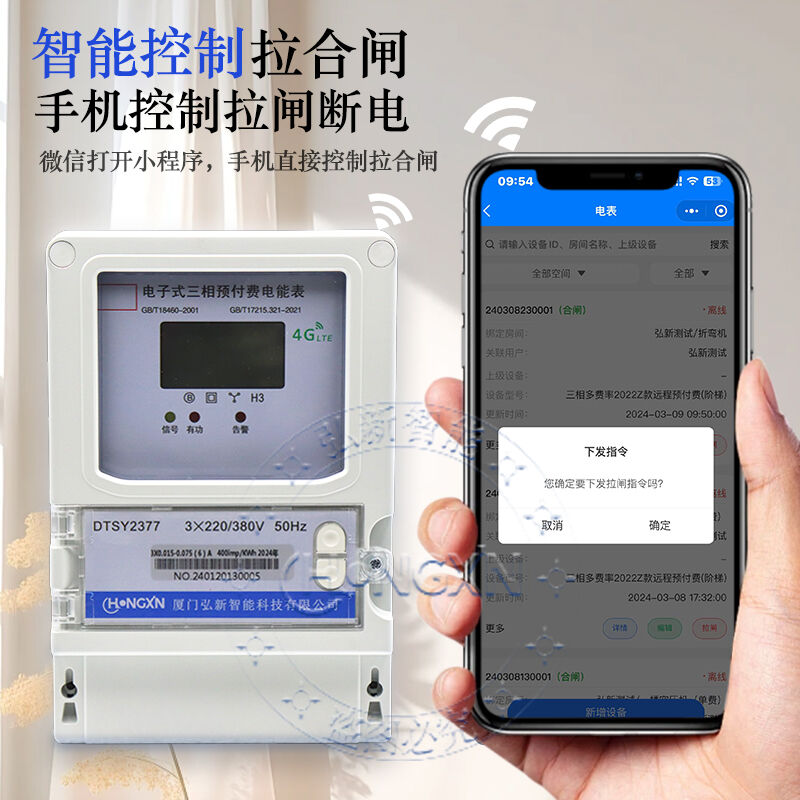
Choosing Your Home's Electricity Smart Tier
Smart Panels: Full Home Smart Panels vs. Basic Smart Add-Ons
Homeowners generally choose two main options: smart add-ons or smart panel replacements. Entry-level options such as smart energy monitors and plug-in modules are good low-cost options for homeowners hoping to gain basic control and tracking of energy models. Whole-home smart panel upgrades allow for automation at the circuit level and integrate seamlessly with dynamic load balancing for renewable energy resources. This method is especially useful when considering future installation of EV chargers or solar-plus-storage systems. Upgrading energy infrastructure will enable panel upgrades to reduce service upgrades by 40-60% with the studies and analyses upgrades. The factors of the decision involves the necessities and relative future use of electric vehicles or bidirectional energy.
ROI Analysis: Upfront Costs vs Profits for Smart Savings
Smart electricity solutions ask for a bit more consideration from a financial perspective. Savings from operation costs will begin after the initial investment is made. Simple systems can start from $200 and range upwards of $500, and the pricing for a whole-home smart panel can reach between $3,000 and $5,000 to install, not including the value of any incentives. However, in many cases, these premiums provide returns in three ways: time-of-use optimization, predictive maintenance, and renewable synergy. Modern panels protect a house from future upgrades. Savings from upgraded management offset the panel costs in 5-8 years, which is shorter for areas with high utility volatility or levered benefits.
FAQ Section
What is a smart electricity solution?
Smart solutions engage digital technologies, and software to improve power productivity and receipt with renewable utility.
What are smart electrical panels compared with legacy panels?
Smart electrical panels include real-time monitoring, control, and diagnostics, compared with legacy panels.
What is bidirectional electricity flow?
Bidirectional flow means electricity can go to and come from the electricity grid. When paired with renewable utility systems, bidirectional flow can lower costs.
What smart electricity tier will your home need?
First determine your current and future energy needs. From there, you may want to purchase basic level smart energy monitors, or, for more advanced needs, you may want to purchase whole home smart panel upgrades. These more advanced upgrades may offer greater automation, load balancing, and renewable energy integration.
What is the cost savings and profitability of switching to smart electricity systems?
Savings from utility cost and smart energy management provide returns from smart electricity systems. Many systems provide payback in 5 to 8 years depending on the clearn energy incentives provided and the time frame in which they are provided.