 EN
EN

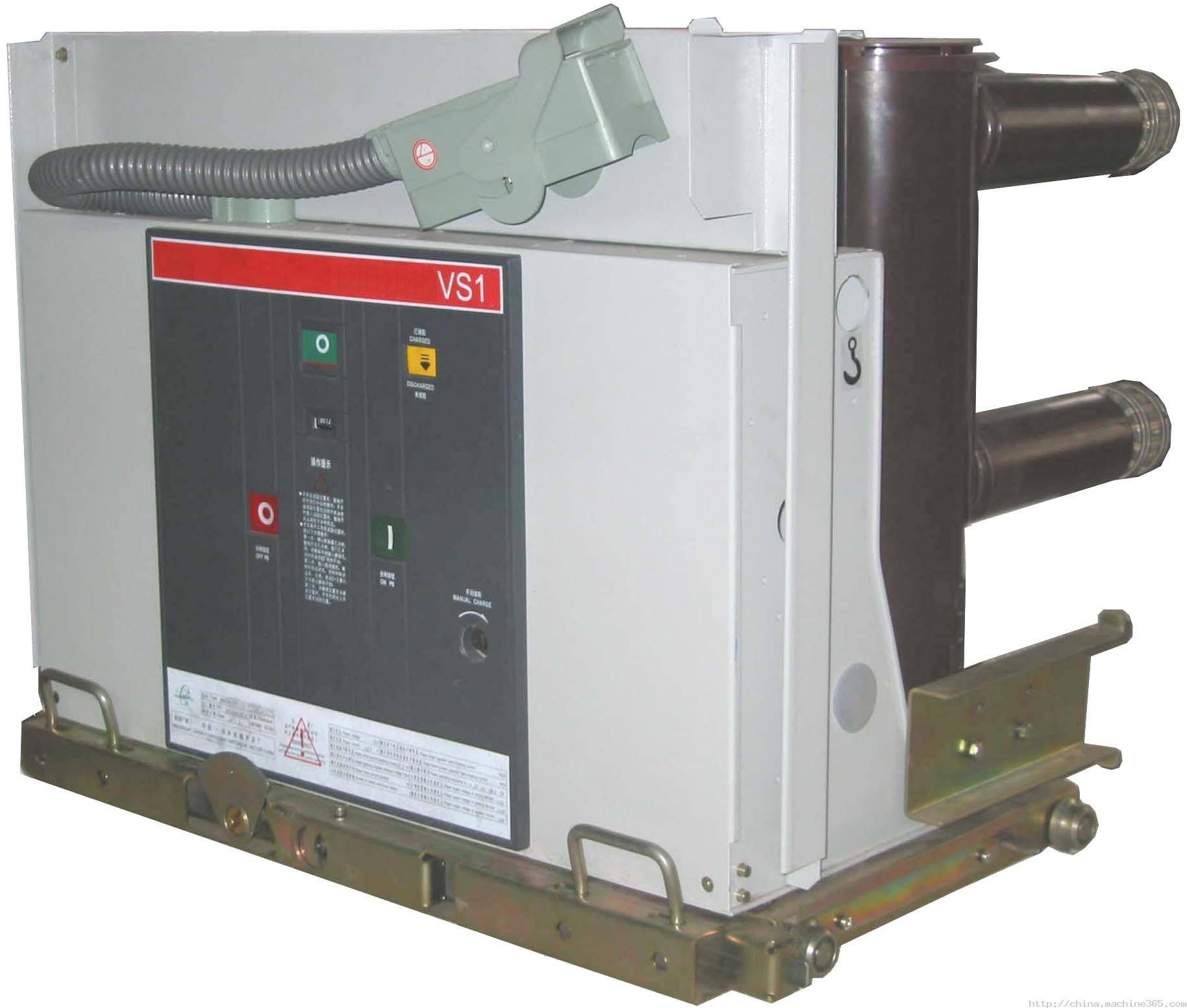
Vacuum integrity: the most important contributor to the longevity of the vacuum circuit breakers
How vacuum level ensures sustaining dielectric strength for decades
When the internal pressure is maintained at levels of about 10^-2 Pa and even lower, electron avalanches and ionization cascades, which compromise insulation, cannot occur. At these high vacuum levels, the distance between gas molecules is long enough to prevent the formation of conductive paths. Research indicates that vacuum circuit breakers (VCBs) constructed to operate at a base pressure of 10^-4 Pa retain 95% of their original dielectric strength after 30 years. The principal reasons for the dielectric strength retention at low pressure include efficient electron scattering, the absence of gas molecules available for ionization, and a stable contact system. These conditions can only be achieved if the manufacturers define vacuum levels for the whole production and operational cycle of the device.
Ceramic-metal hermetic seals vs. glass-metal hermetic seals: impact on service life The modern bonding of ceramics and metals has achieved, for the first time, a helium leak rate of <10-12 mbar·L/s, which is more than 100 times better than that of glass seals. This is a qualitative change that slows the aging processes of the devices.
Alumina ceramics, unlike many materials, does not undergo mechanical stress cracking due to thermal cycling. This ensures that the gradual pressure build-up, which erodes the interruption capability of the device, does not occur.
Critical vacuum loss detection: From laboratory limits (10-4 Pa) to field detectable signs
In laboratory setups involving mass spectrometry, a vacuum failure can be detected when the pressure falls below 10^-4 Pa. However, in the field, technicians must identify symptoms instead of relying on direct measurements.
A contact resistance increase greater than 25% of the initially measured value is an indication of an adsorption layer forming from residual gaseous layer deposits in the system. The Cu vapor deposition phenomenon can also be observed to cause weird colors on ceramic components, which is an indication of potential imminent dielectric failure. In cases where pressure exceeds 10^-1 Pa, and during switching operations, an increase in the arcing duration will be observed. Field operators will report a longer arcing duration during switching operations under these pressure conditions. Changes in the duration of arcing can be evaluated using normative control test protocols, but many experienced engineers learn to identify these symptoms through observation of the components and their behavior over an extended period.
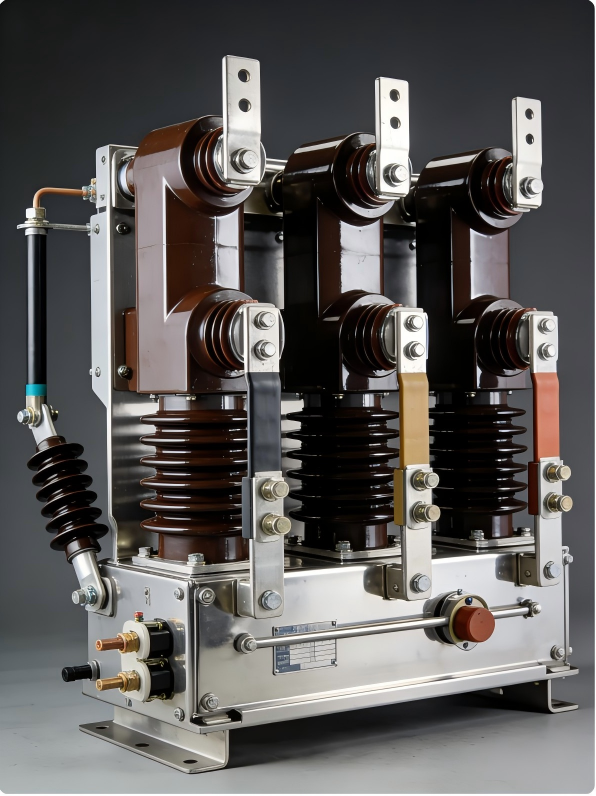
Contact Erosion and Electrical Endurance in Vacuum Circuit Breaker Operation
Mass loss per interruption: Empirical data from 30,000+ cycles and its implications for no-maintenance design
Recent developments in contact materials have greatly improved the vacuum circuit breaker range for the first time since the 1980s. The combination of copper chromium alloys, with axial magnetic field technology, exhibits mass loss of approximately 50 micrograms per interruption under laboratory stressing and no more than 3 mm of contact wear after 30,000 cycles at the rated maximum current for the cycle. Because of this, the design of the circuit breaker can be such that the circuit breaker is permitted to operate for years without maintenance, as long as the contacts are operated within defined limits. The industry has shifted to correlating the loss of contact material with the predicated failure of the circuit breaker, so the utility industry can now deploy vacuum circuit breakers without being concerned about contact replacement on a statically defined cycle. Laboratory testing and field installations, particularly in coastal installations with constant high humidity, have demonstrated erosion rates of approximately 0.1 mm per year, which is comparable to laboratory erosion rate predictions.
Contact Degradation Monitoring via Field Emission Analysis
Monitoring field emissions can provide insight into how vacuum circuit breakers are performing long before visible damage occurs, and it’s useful for planning maintenance. Typical wear and tear leads to surface irregularities that cause spikes in field emission currents. During one of our tests, we observed spikes of over 10 microamps with the circuit breaker operating at approximately 80% of its rated voltage. These increases in field emission currents happen before contact erosion becomes visible. Field emission spikes represent a window of opportunity for planners to schedule maintenance on circuit breakers. Through periodic emissions monitoring, power companies are able to identify emission problems 12 to 18 months in advance when compared to their unmonitored circuit breakers. Emission current readings provide a clear indication of contact condition. Readings stable at less than 5 microamps suggest healthy contact surfaces. However, rapidly fluctuating readings normally precede contact surface problems. To ensure optimal circuit breaker performance, issues should be addressed before they manifest as a performance problem.
Mechanical and Insulation Degradation in Unmaintained Vacuum Circuit Breaker Systems
Mechanical endurance and electrical endurance are two different constructs. Mechanical endurance usually refers to the number of cycles that components like springs and linkages can undergo before they start to wear and develop issues. In contrast, electrical endurance measures the number of faults that contacts can withstand before their performance degrades due to contact erosion. There is a particularly concerning disparity between the mechanical and electrical endurance of vacuum circuit breakers. Consider cases where mechanical portions are able to survive over 10,000 cycles, while the electrical portion may fail to operate properly after only 20 to 30 instances of high current interruption. This is due to the fact that the mechanical components of the circuit breaker can be cycled many more times than the vacuum interrupters can withstand in terms of electrical current. Research shows that unmaintained mechanical fatigue can lead to misaligned, seized, or stuck mechanisms in 15 to 25 percent of cases, and this can happen without the electrical components of the breaker exhibiting any signs of failure. Therefore, untreated mechanisms can severely compromise the reliability of the entire breaker system.
Failure modes associated with the aging of components: Corroded linkages, aged springs, and aged polymers in insulation
With postponement of maintenance, the vacuum circuit breakers are bound to fail much earlier than expected primarily due to three factors: corrosion, aged springs, and insulation breakdown. Over time, linkages become corroded, and with corrosion comes more friction, unfortunately, this is more than enough to cause noticeable slowdowns in operational speed and to potentially cause faults to not clear. Repeatedly used springs will lose their tension which causes the breaker to not close strongly enough to induce the contact bounces during switching operations that everyone loves to assume are a motivating factor for the breakers to close later than expected. Believe it or not, polymer-based materials that are used for insulation are also affected by the operational environment. Internally, insulation polymers undergo thermal cycling and moisture which physically deteriorates the polymer's capacity to the withstand electrical load. Additionally, thermal cycling and moisture create cracks, and tracking which can cause increased leakage currents. Reports from the industry suggest that maintenance has to be performed on vacuum circuit breakers that are used in the range of 10 to 15 years of their expected life. 70% of the breakdowns that are experienced in the vacuum circuit breakers that are not maintained occur within this time range.
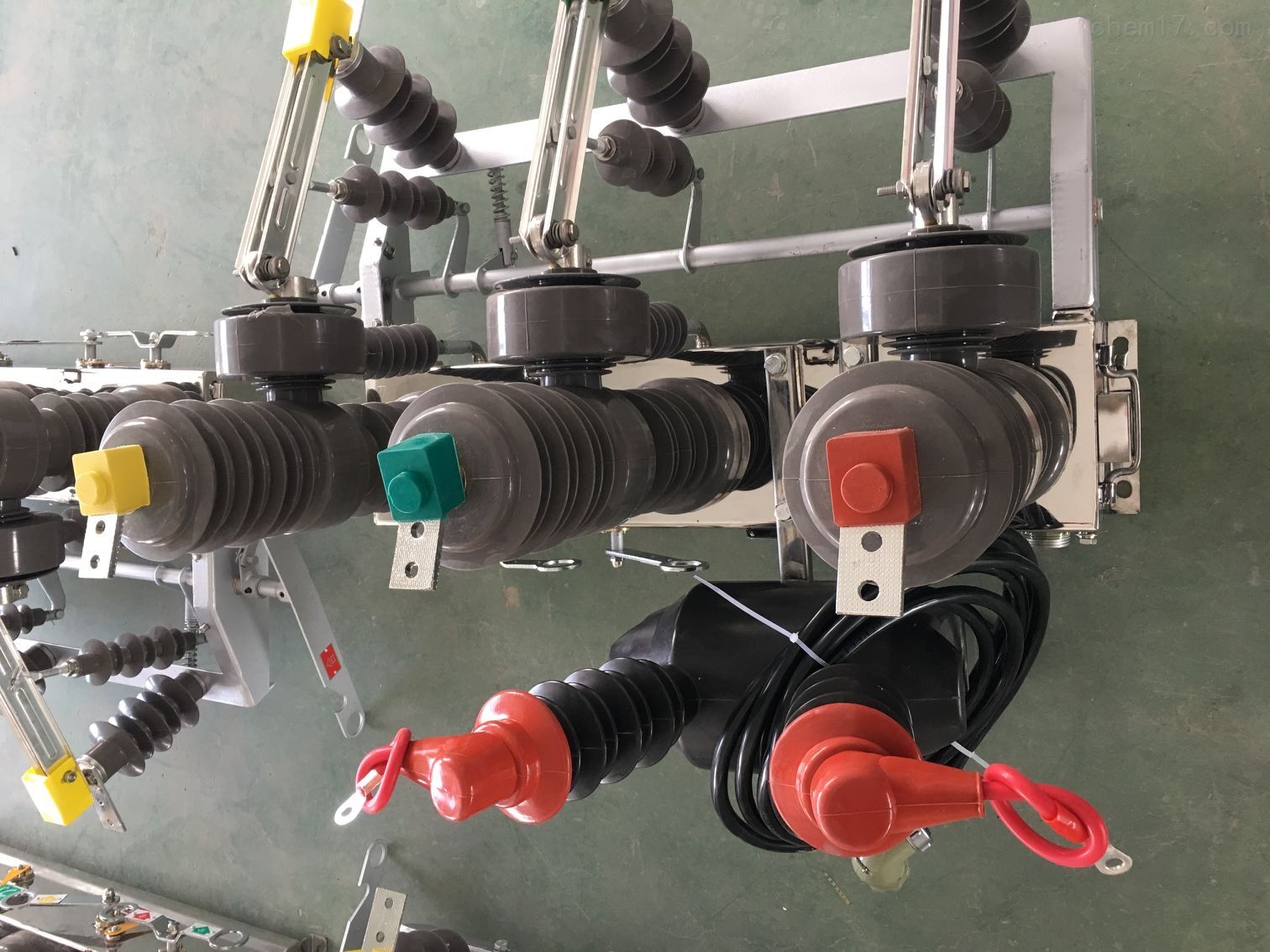
Condition Based Monitoring: The First Truly Maintenance-Free Vacuum Circuit Breaker Deployment
Condition Based Monitoring (CBM) uses real-time diagnostics to completely revolutionize how we approach maintenance. The diagnostic systems monitor how the vacuum circuit breakers are operating and require no access to the equipment. During normal operations, certain technologies (coil current signature analysis) monitor how individual components wear down and deteriorate. Thermal monitoring also allows for the identification of contact issues before they are too serious. The research published as “Analysis of medium voltage vacuum switchgear through advanced condition monitoring, trending and diagnostic techniques” found that the CBM methodology reduced unexpected failures by approximately 40%. Problems are addressed before they reach a failure state and cause catastrophic issues. Vacuum pressure and operational cycle data are used through predictive analytics to assess the remaining life of a component. Maintenance free operation does not mean that ideal and perfect components are always present. It requires that small and medium issues are resolved before they escalate into larger problems. The reliability needed for systems to operate autonomously is provided by CBM when vacuum integrity and contact wear are monitored against normal operational parameters.
FAQ
What is the main advantage of ceramic-to-metal bonding in vacuum circuit breakers?
Its main advantage is a significantly reduced helium leak rate in comparison to glass-sealed alternatives, which subsequently improves the service life and thermal stability of the circuit breaker.
Field emission appears first when contacts degrade. Electron emissions can wear down contacts. Monitoring electron emissions can detect degradation early.
What is the significance of condition-based monitoring (CBM) in vacuum circuit breakers?
Real-time diagnostics is the major advantage of condition-based monitoring (CBM) in vacuum circuit breakers. Diagnosing potential problems can be performed before critical failures occur. This process reduces the chance of abrupt failures.