 EN
EN

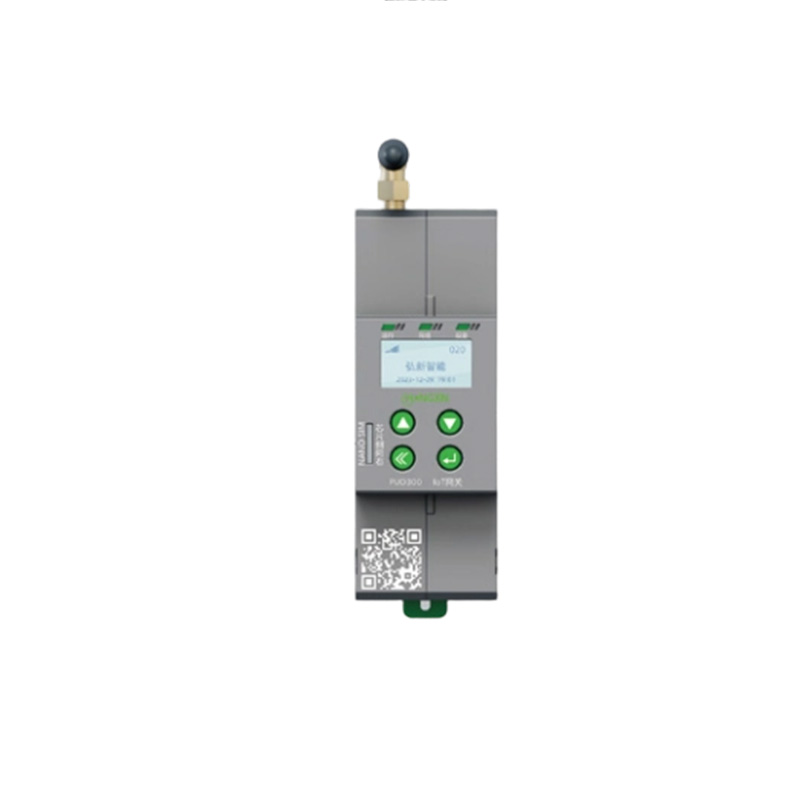
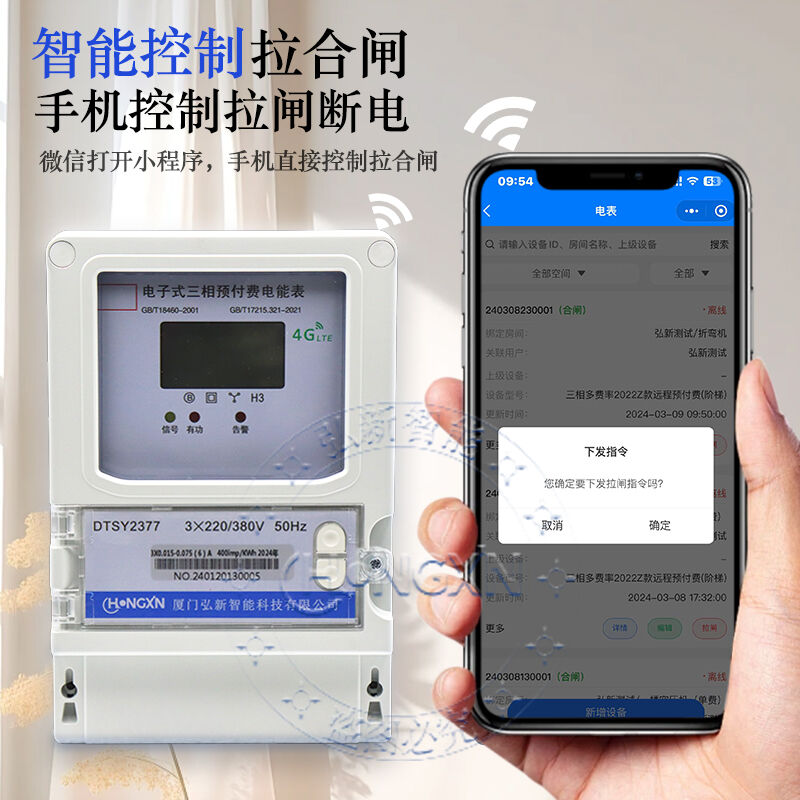
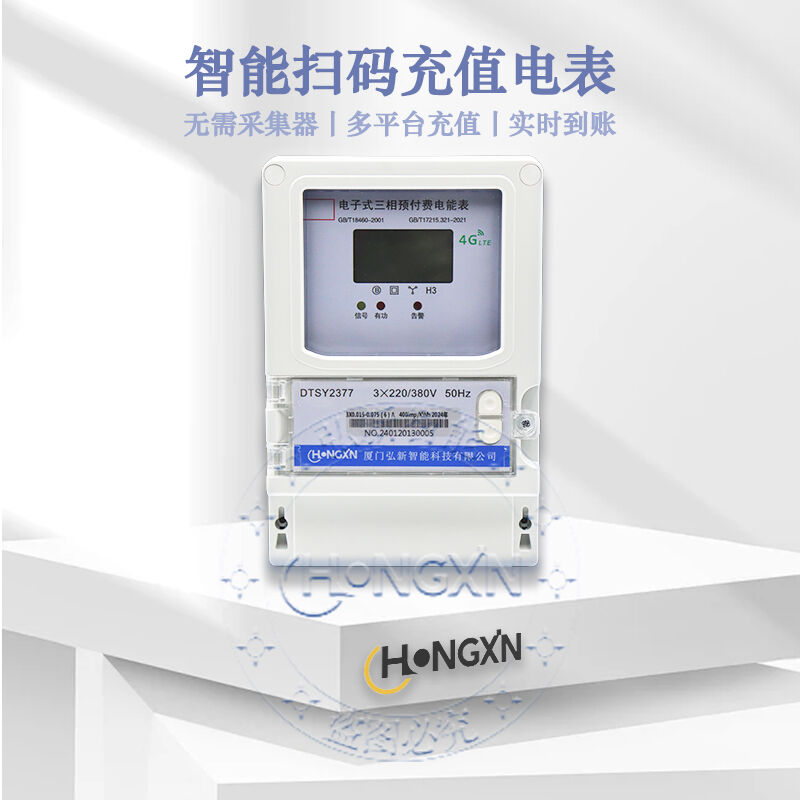
Real-time energy usage tracking provides the backbone for functionality such as real-time electricity usage tracking monitored via smart meters.
Smart meters replace traditional meters by reading electricity usage every fifteen minutes as opposed to every month. This digital reading allows consumers to understand their energy usage trends and billing cycles. They will understand the usage net costs of deceptively low usage signs on appliances e.g. the standby power draw light. These smart meters, via AMI (Advanced Metering Infrastructure), provide a unique two way communication capability for utilities. Utilities can communicate active load control and customers can receive real time traffic management to avoid active load controlled periods. Research has shown that households will voluntarily conserve about 12% of electricity due to real time consumption feedback. Instant communication eliminates the discomfort of demand control. Instant feedback allows energy consumption control by eliminating the need to direct control appliances.
Insight Generation from Monthly Bills
Historically speaking, utility companies used to offer monthly bills to customers, but these bills showed simply how often customers used their utility services, offering little to no transparency. Utility companies offer energy dashboards with access to a streaming and cloud based utility use history to improve transparency, pie charts and bar graphs, etc. With the use of energy dashboards, customers can see and understand the impact of their actions in the real world. For example, if a customer with an energy dashboard decides to up their home temperature 2 degrees Celsius during a heat wave, the customer can see their energy use, and from the energy dashboard, the customer can see the impact of their energy use. [] Research has shown that customers with utility companies who use energy dashboards, see continued energy savings of 8 to 15 percent. Energy dashboards also offer customers visibility into their energy consumption, so if an old fridge is using too much energy, the customer can see their energy bill charges decreasing. Energy dashboards help customers slow their energy consumption to help save the health of their wallet and the health of the planet.
Time of Use Pricing: Smart Electricity with Intelligent Load Shifting
To use Time of Use pricing, a customer gets charged different amounts of money to help their utility company decrease high energy consumption times to help lower high energy consumption times to help lower shifts in load. There is a reduction in energy charges during periods of lower energy consumption. These periods are typically at night and on the weekends where charges decrease by 20 to 40 percent.
HVAC, Electric Vehicle Charging, and Major Appliance Off-Peak Usage Incentives
Load shifting strategies encompass three major domains:
HVAC: home pre-cooling and pre-heating before home heating rates increase
EV charging: pre-programming set charging times during off-peak tariff hours
Major appliances: off-peak tariff hours operation of dishwashers, dryers, and pumps.
Adoption of this behavior alone under the shifting method brings average savings of $150 to $300 annually to the participants, Adoption of automated energy management systems, which synchronize actions of appliances to dynamically changing rates, eliminates guesswork and maximizes savings.
Equity Considerations: Closing Adoption Gaps in Low-Income Households
The TOU programs have the potential to exclude the most vulnerable populations: 30 percent of lower-income households do not have smart thermostats and timers which leads to an inability to shift energy use during specific times of the day, and people with flexible work schedules may not be able to shift their energy use schedules. Equitably shifting energy usage in households with smart technology while creating a more resilient grid:
Provision of subsidized smart thermostats and timers
Provision of smart, flexible, and economically necessary tiered usage limits
Community cooperation with local organizations to carry out education initiatives.
While these initiatives carry a hope to improve the technology available to households while enhancing grid resilience, they also target the smart technologies that enhance electricity use systems within the home.
Smart Electricity Integration with Home Automation and AI
Artificial Intelligence Home Energy Management Systems (AI HEMS) and Grid-Responsive Scheduling
AI Home Energy Management Systems (AI HEMS) are revolutionizing how consumers manage electricity. Among the innovations are smart systems that track and manage the flow of energy between loads, microgrids, rooftop solar, battery storage, and the utilities grid. These systems analyze real-time electricity consumption, use weather forecasting, anticipate utility rate changes and consider the occupants' schedule and consumption patterns within the residence. AI HEMS systems use all of these inputs to make decisions to elicit utility rate arbitrage (charging EVs, changing setpoints on thermostats, etc.) and encourage load shifting away from peak periods. Most experts predict that by 2025, these systems will allow consumers to participate in demand response programs with utilities, where consumers voluntarily reduce their electricity usage during peak periods to avoid blackouts. These systems continue to learn and manage energy without user intervention. This is beneficial to consumers because systems shift loads to off-peak periods, and to the grid by managing Renewables Integration and deferring the need for new transmission and substation infrastructure.
Long-Term Changes In Behavior and Improved Efficiency from Smart Electricity
In real time, people are beginning to view electricity in a new light. With real time monitoring, time of use pricing, and automated systems, electricity use can adapt to be more responsive to the demands of the consumers. Adaptive use technologies allow consumers to run washing machines, and chargers and A/C units in response to costs and activities in the power grid rather than on the consumer's schedule. These daily decisions can be turned into long lasting habits. Studies show that homes cut electricity usage almost 20% when these technologies are implemented. Behavioral permanency is something that most companies have observed to be attained by those that have implemented smart tools for the most time. This is more than just cutting costs, it is also less carbon emissions, and less stress on the grid. Educating consumers on the importance of preemptive actions required more than just smart tools but rather shifted the entire use of the grid.
FAQ
What are smart meters?
Smart meters track and record energy consumption more frequently and in more detail than a traditional meter. Instead of sending a reading each month, they communicate energy consumption details every 15 minutes.
How does Time-of-Use pricing work?
Time-of-Use (TOU) pricing attempts to shift energy consumption to off-peak periods by setting lower prices during those periods. This means that if you do something that requires lots of energy, you can do it at a lower cost if you schedule it during off-peak pricing periods.
What are the benefits of AI-powered home energy systems?
Smart energy systems use AI technology to create system-wide energy consumption balance. This means that energy consumption is optimized based on the system's prior consumption patterns, including, weather forecasts, energy pricing changes, and household activities.