 EN
EN

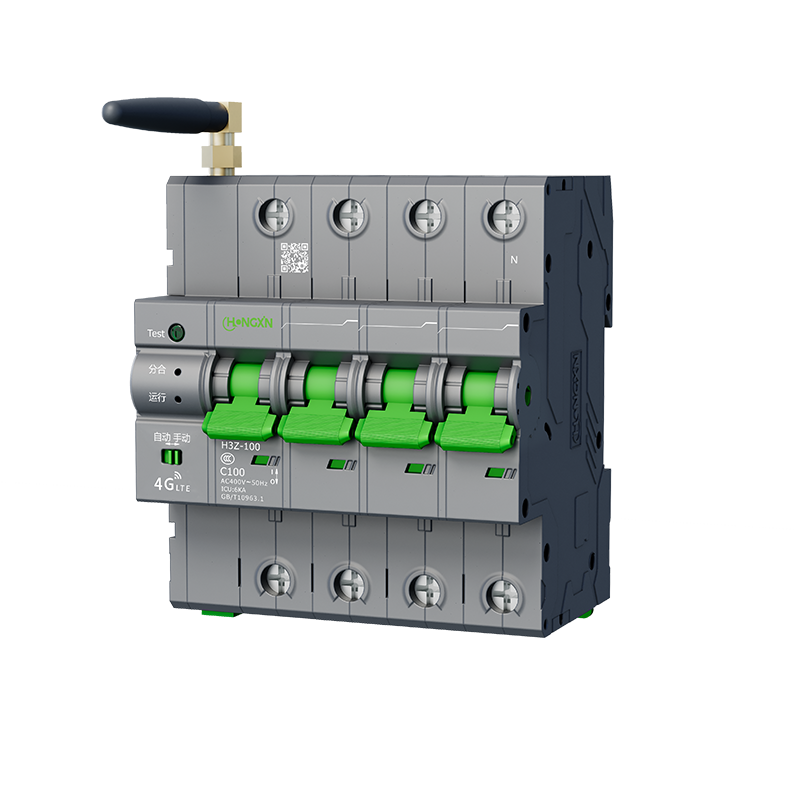
Core Protective Functions of a PV Circuit Breaker
Protection of overcurrent and short-circuits through thermal-magnetic tripping
A PV circuit breaker has a thermal-magnetic dual system, which can respond to longer-term overloads and short-term sudden failures. For example, if too much current flows through the system for too long, in the caseof a panel hit with sunlight of too high an intensity, the thermal part of the breaker initiates a circuit break by bending and breaking a metal strip. On the other side, the magnetic part of the breaker responds in case of a problem and the current exceeds the normal values for which the system was designed, and in this case, the current exceeds thee normal value by three times. The magnetic coil will center and break the contacts of the circuit in such a way that there will be no fault currents able to flow in an unsafe way through a fault. This fast response will prevent damaging insulation, overheating, and fire sources near combustibles (including PV cables). The main feature of the breaker is that it is different from fuses, as it can be reset, meaning that the breakers can be reactivated and can be made operational again which in these types of PV installations reduces the downtime of the system. In this respects, the PV breakers are particularly beneficial for large-scale commercial PV power plants, where system uptime is very critical.
DC Fault Current Interruption: The Risks of Using Standard AC Breakers in Photovoltaic Systems
Standard AC breakers are not effective in photovoltaic applications because they cannot effectively extinguish DC arcs. AC power naturally goes back to zero in 100 to 120 intervals per second causing an arc to stop. In DC systems, there are no such zero crossings, therefore, arcs do not stop by themselves. In fact, studies show that standard AC breakers are worse than DC specific breakers in terms of spike arc reignition: a 78% reignition rate. Closed arcs can rise to 6,000°F - hot enough to melt copper busbars. This is why standard AC breakers are not adequate in solar applications; DC specific breakers are needed, such as those that incorporate arc chutes. Arc chutes are designed such that an arc is not only extinguished by a principle of electromagnetic repulsion, but also, to increase the stretch of the arc - cooling it before it reignites. This is a necessity to ensure the investment is protected in utility-scale projects of 600 to 1500 volts.
DC Arc Suppression: How To Address The Issue Of Zero Crossing In PV Circuits
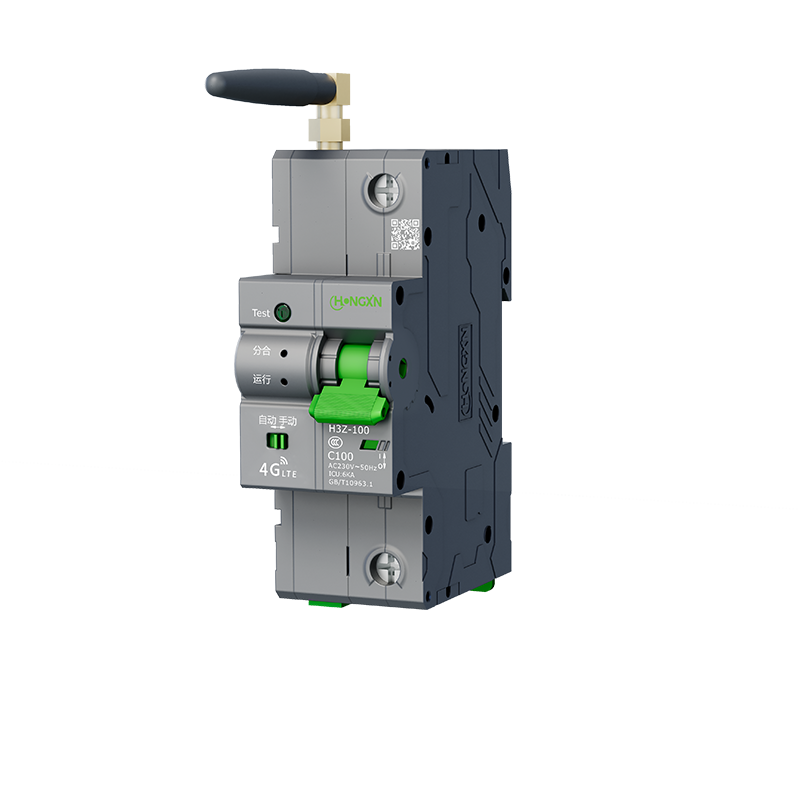
How PV circuit breakers Mitigate Arcing
Since DC voltage doesn't have a natural zero point, when a fault occurs, DC voltages cause uninterrupted arcs and in 80 of voltage are uninterrupted arcs (NREL 2023). The arcs are able to heat conductors to in excess of 3000 \degree Celsius creating a significant fire hazard. To prevent this, PV circuit breakers contain components called magnetic arc chutes, which create a controlled magnetic field to grab, elongate and cool an arc. The effectiveness of a magnetic arc chute relies on its ability to subdivide an arc into smaller segments and extinguish the arc in a matter of milliseconds. This provides thermal runaway protection and operational safety in high voltage DC applications.
The mystery surrounding high voltage direct current (DC) systems and circuit breakers
As direct current (DC) system voltage increases, so does efficiency of the photovoltaic (PV) systems, however, the energy associated with arcing which can occur increases as well. For example, 1500V DC systems can produce 15 times the arcing energy of 400V DC systems. This presents us with a unique challenge. The greater the efficiency, the faster we need to clear the fault, and the more robust the systems we need to implement. Modern PV circuit breakers are now able to mitigate these issues, and several new features having to do with UL 2024 compliance, which we will now discuss, have enabled this redesigned PV circuit breaker technology.
Ultra-fast trip times (3ms or less) and associated arcing quenching (gaps between breaker contacts, and multiple stage arc chutes, are designed to improve the quenching of arcing when interrupting a circuit).
The breaker trip settings with regard to DC voltage and arcing quenching capabilities have also been adjusted to correspond with the voltage used within the system.
Protection Feature 400V Systems 1500V Systems Critical Difference
Trip Speed 10ms ≤3ms 70% Faster Response
Arc Chute Divisions 8 to 10 15 to 20 100% More Division
Contact Gap 10mm 25mm 150% Larger Gap
These design features will greatly reduce or eliminate “runaway arcing”—a fault condition in high voltage systems that can cause sustained, damaging arcing, even after the circuit breaker operates. This also firmly establishes why conventional AC circuit breakers cannot be used in high voltage PV systems.
String-Level Safety: How to Avoid Reverse Currents and Fires in Parallel PV Arrays
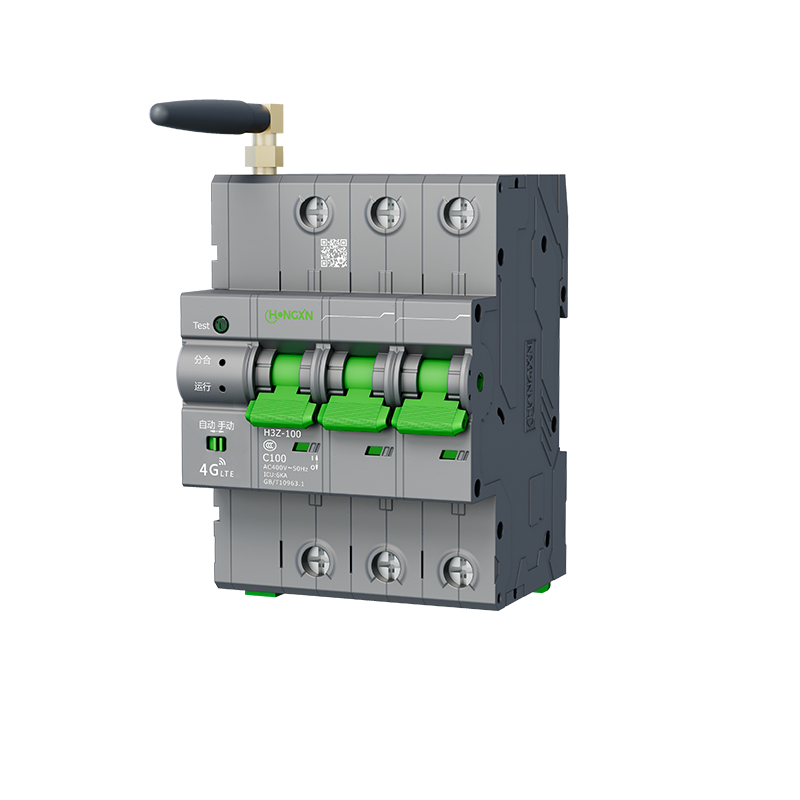
The danger posed by reverse current when shading and module failure and how cascading faults are controlled using PV circuit breakers.
When shading occurs on solar panels or module failures arise in *parallel* installations, there are certain unexpected electrical phenomena. Focusing on one affected string: It starts to behave in a manner unlike the rest. It essentially drains energy as opposed to generating it. The consequence of this behavior is quite troubling: reverse flowing energy causes what’s called a *hot spot*. This is one of the most dangerous phenomena in PV systems and is well known to cause self ignition of the insulation materials on the affected string. When left unattended, the consequences of a single malfunction in a set of strings can lead to cascading faults in the entire string. Such behavior has been well documented in the literature. NREL’s research published last year documented that the costs of the consequences of unmitigated faults in strings of PV panels can be up to three times higher than the costs of the faults themselves. This research is a clear representation of how quickly things can become uncontrollable.
PV circuit breakers identify problems and stop them from spreading by identifying the direction of the current. If reverse current exceeds 10% of the string’s rating, proprietary built-in magnetic sensors activate within milliseconds and disconnect the power from the bad section while leaving the rest of the system intact. Additionally, these breakers have special modular designs that break the arc and contain the arc outside the breaker, stopping it from creating the dangerous DC plasma that can spark a fire. By containing problems to one string, these devices help solar installations avoid costly equipment damage, keep operations running safely, and most importantly, keep fires from spreading within the large scale solar installations.
Integrated Ground Fault Detection and NEC Compliance PV circuit breakers contain ground fault detection systems that help protect personnel from dangerous leakage currents that can cause an electrocution and fire. The devices continuously monitor the internal conductors and will disconnect the circuit when the ground fault current exceeds the 6mA threshold as defined by NEC Article 690. These breakers are able to detect and disconnect DC ground faults which are more hazardous than other types of ground faults. Ground faults occur when moisture ingresses to the system or when system insulation fails and ground faults develop. Most household AC circuit breakers cannot detect ground faults due to the lower sensitivity and switching mechanism to cause DC fault current circuit interruption. The sensitivity and interrupting capacity must meet the requirements of the NEC 2020 Rules and specifically Section 690.41(B). The new PV circuit breakers exceed the above requirements because of a combination of real-time fault detection and the correct type of DC magnetic trip device. This combination and the integrated low impedance Equipment Grounding Conductor (EGC) grounding circuit provide a high degree of fault clearing reliability and speed in the numerous solar installations throughout North America. FAQ What makes a PV circuit breaker different from a regular circuit breaker? Unlike regular AC circuit breakers that are incapable of providing protection from persistent DC arcs and can therefore cause fire and damage, PV circuit breakers do provide protection from persistent DC arcs and are therefore able to perform successfully in photovoltaic systems.
What protective role do magnetic arc chutes play?
Magnetic arc chutes are crucial for breaking and cooling sustained DC arcs and preventing thermal runaway. They provide safety and reliability to PV systems, even at high voltages like 1500V.
What do higher voltage DC systems mean?
Higher DC systems voltage mean higher efficiency, but also higher arc energy. This creates a need for faster trip curves and stronger quenching to minimize damage and sustain safety.
What do PV circuit breakers do regarding reverse currents?
PV circuit breakers sense a reverse current and, using magnetic sensors, open the circuit only at the affected section, thus preventing a domino effect and Fire.
How do these breakers meet NEC standards?
To meet NEC standards, PV circuit breakers are designed with ground fault circuit breakers which control and detect DC Faults and leaky currents to prevent electric shock and fire.