 EN
EN

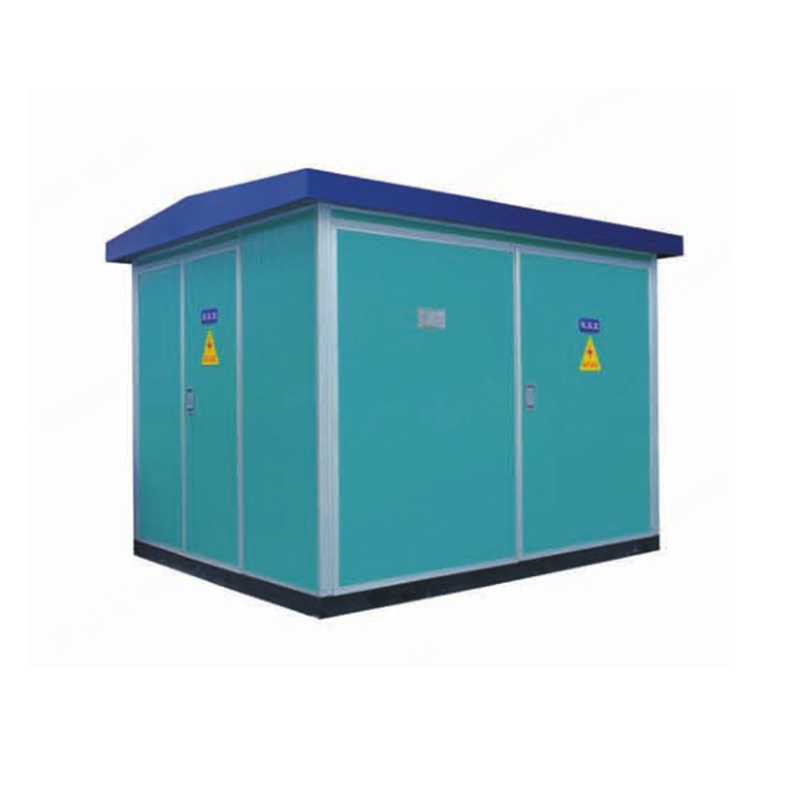
A facility manager at a commercial parking operator in Southeast Asia oversaw the installation of 40 charging piles across three locations. Within six months, voltage fluctuations at two sites were tripping circuit breakers during peak charging hours, causing downtime that frustrated EV drivers and eroded the operator's revenue. The root cause traced to the site's power distribution system — designed before high-power EV loads were factored into the load calculation. A charging pile is only as reliable as the electrical infrastructure behind it, and understanding the technologies driving modern charging development is essential for anyone investing in EV infrastructure.
Power Distribution and Grid Integration
Smart Load Management and Dynamic Power Allocation
Modern charging piles do not simply draw maximum power whenever a vehicle connects. Smart load management systems continuously monitor total site demand and dynamically allocate available capacity across connected chargers. When a site's transformer approaches its rated capacity, the system throttles individual charging pile output rather than tripping upstream protection — a feature that prevents the exact scenario encountered by the parking operator. Power distribution cabinets supporting charging infrastructure, such as low voltage switchgear rated for 400 to 690 volts, incorporate intelligent circuit breakers with communication modules that report real-time current, voltage, and temperature data to the site controller. This data enables predictive load forecasting: the system learns usage patterns and pre-allocates capacity for anticipated peak periods. Connection to the low voltage distribution network must account for harmonic distortion introduced by the rectification stages within each charging pile, requiring harmonic filtering in the main switchboard to maintain power quality across the site.
Safety Protection and Fault Isolation
Charging pile safety begins at the distribution panel. Molded case circuit breakers with adjustable trip settings provide short-circuit and overload protection sized specifically for the charging circuit's rated current. Residual current devices detect leakage current — potentially fatal to users if a cable or connector develops an insulation fault — and disconnect power within milliseconds. Arc fault detection represents a newer technology increasingly specified for charging installations, as DC arcing within connectors or damaged cables can sustain itself without triggering conventional overcurrent protection. The integration of these protection layers into a coordinated system — where the charging pile, distribution cabinet, and site controller communicate fault conditions — enables selective isolation that disconnects only the affected circuit rather than shutting down the entire site.
Communication and Intelligence
IoT Connectivity and Remote Management
Each charging pile on a modern network operates as an IoT node, communicating via 4G, Wi-Fi, or Ethernet with a cloud-based management platform. The platform aggregates data from hundreds or thousands of chargers, providing operators with real-time status monitoring, usage analytics, and remote diagnostics. When a charging pile reports declining power output or intermittent communication, maintenance teams can be dispatched before users report a problem. Over-the-air firmware updates allow charging protocol improvements — such as updated communication standards between the charger and newer EV models — without on-site technician visits. The Open Charge Point Protocol has become the industry standard for communication between charging stations and central management systems, enabling interoperability between hardware from different manufacturers and software from independent network operators.
Frequently Asked Questions
What power levels do modern AC charging piles support?
AC charging piles typically support 7 kW to 22 kW in residential and commercial settings, operating on single-phase or three-phase AC supply. DC fast chargers deliver 50 kW to 350 kW, requiring dedicated power distribution infrastructure with appropriately rated switchgear and transformer capacity.
How does a charging pile communicate with the power grid?
Smart charging piles communicate with the grid through protocols integrated into the site controller and power distribution system. Load management modules exchange data with intelligent circuit breakers and meters, enabling demand response capabilities that reduce charging power during grid peak periods.
What safety certifications apply to charging pile installations?
IEC 61851 governs conductive charging systems for EVs, covering safety requirements for the charging pile, cable, and connector. IEC 62196 specifies connector types and safety interlocks. Regional standards such as UL 2594 in North America and GB/T standards in China add jurisdiction-specific requirements.
Why is harmonic filtering important for charging pile installations?
The AC-to-DC rectification stage in each charging pile generates harmonic currents that distort the supply voltage waveform. Excessive harmonics cause transformer overheating, nuisance breaker trips, and interference with sensitive equipment. Active harmonic filters installed at the main distribution panel mitigate these effects.
How does dynamic load management improve charging site economics?
Dynamic load management maximizes the number of charging piles that can operate on a given electrical infrastructure capacity. Without it, each charger must be provisioned for its maximum rating simultaneously — requiring larger transformers, switchgear, and utility service connections that increase capital costs by 30 to 50 percent.
Can charging piles integrate with solar PV and battery storage?
Integrated PV, storage, and charging solutions combine rooftop solar generation with on-site battery storage to supply charging piles during daytime hours and peak demand periods. This architecture reduces grid demand charges and enables continued charging operation during grid outages when configured with islanding capability.