 EN
EN

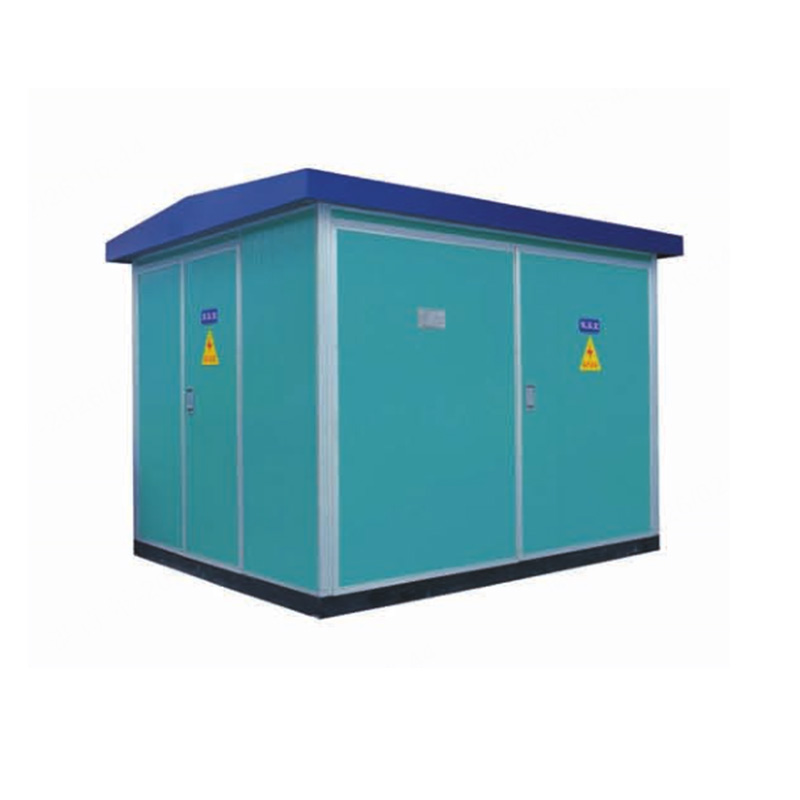
A utility planner in a rapidly expanding Southeast Asian city faced an impossible constraint: install a new 1,250 kVA distribution substation to serve a high-rise residential complex, but the only available plot measured 12 square meters — roughly the footprint of a small parking space. A conventional brick-and-mortar substation would require at least 40 square meters plus construction access. The solution was a factory-prefabricated compact substation, delivered to site as a single weatherproof enclosure containing the transformer, high-voltage switchgear, and low voltage distribution panel fully assembled and tested. It was energized within three days of delivery.
Space and Deployment Advantages
Footprint Reduction and Urban Adaptability
A compact substation, sometimes designated as a ZBW combined substation or prefabricated unit substation, integrates the medium-voltage ring main unit, distribution transformer, and low voltage switchgear into a single weatherproof enclosure. The physical footprint typically ranges from 6 to 15 square meters depending on transformer rating, compared to 30 to 60 square meters for conventional substation buildings. In dense urban environments where land costs exceed $3,000 per square meter, every square meter saved represents direct capital avoidance. The enclosure is constructed from corrosion-resistant sheet steel with thermal insulation and natural or forced ventilation, enabling installation in basements, rooftop mechanical rooms, street-level alcoves, and other constrained urban locations that cannot accommodate traditional substation construction. The unitized design eliminates the need for separate buildings for switchgear and transformer, and the factory assembly ensures that busbar connections, protection coordination, and insulation integrity are verified before the unit leaves the manufacturing facility.
Deployment Timeline and Civil Works Reduction
Conventional substation construction follows a sequential process: civil works for the building foundation and structure, installation of switchgear, transformer delivery and positioning, busbar fabrication and connection on-site, protection system commissioning, and utility acceptance testing. This sequence typically spans 12 to 20 weeks depending on weather and contractor availability. A prefabricated compact substation compresses this timeline by shifting assembly, wiring, and testing to the controlled factory environment. On-site work is reduced to foundation preparation, unit placement by crane, utility cable termination, and commissioning tests — typically completed within one to two weeks. The reduction in on-site labor hours also lowers the safety risk associated with electrical construction in congested urban areas where adjacent buildings, pedestrian traffic, and buried utilities complicate traditional construction methods.
Safety and Environmental Design
The sealed enclosure of a compact substation provides inherent safety advantages for urban deployment. The transformer compartment is fully enclosed, preventing unauthorized access to live medium-voltage components. SF6-insulated ring main units used in many compact substation designs are sealed-for-life, requiring no gas handling during installation and eliminating the risk of insulation degradation from humidity ingress — a common issue in underground or semi-basement conventional substations. Noise attenuation through insulated enclosure panels and vibration-dampened transformer mounting reduces operational noise to levels acceptable for installation adjacent to residential buildings. Oil-filled transformers include bunded bases that contain the full oil volume in the event of a leak, preventing ground contamination.
Frequently Asked Questions
What is the typical capacity range of a compact substation?
Compact substations typically range from 100 kVA to 2,500 kVA, with the most common urban distribution ratings between 630 kVA and 1,250 kVA. Larger capacities are achievable through paralleled units or custom enclosure designs for specific project requirements.
How long does it take to install a prefabricated compact substation?
On-site installation typically takes three to seven working days: one day for foundation preparation and curing, one day for unit delivery and crane placement, and one to three days for cable termination and commissioning testing. This compares to 12 to 20 weeks for conventional substation construction.
What medium-voltage equipment is integrated into a compact substation?
Standard configurations include an SF6-insulated ring main unit with load-break switches and fuse or circuit-breaker protection for the transformer, a 10 kV or 20 kV distribution transformer, and a low voltage distribution panel with molded case circuit breakers for outgoing feeders. Metering compartments can be integrated for utility revenue metering.
Are compact substations suitable for outdoor installation in extreme climates?
Enclosures are designed with thermal insulation, solar radiation-reflective exterior coatings, and ventilation systems rated for ambient temperatures from -25°C to +45°C. Tropicalized versions include additional corrosion protection, condensation management, and enhanced cooling for high-humidity environments.
How does maintenance access compare to conventional substations?
All compartments are accessible through lockable doors on the enclosure exterior — no internal walk-in space is required. Transformer and switchgear compartments include sufficient working clearance for routine inspection, fuse replacement, and testing. Major component replacement may require crane access for transformer removal through the enclosure roof hatch.
What standards govern compact substation design and testing?
IEC 62271-202 covers prefabricated substations for rated voltages above 1 kV up to 52 kV, specifying design, construction, type testing, and routine testing requirements. National standards such as GB/T 17467 in China provide additional jurisdiction-specific requirements for enclosures, ventilation, and protection ratings.