 EN
EN

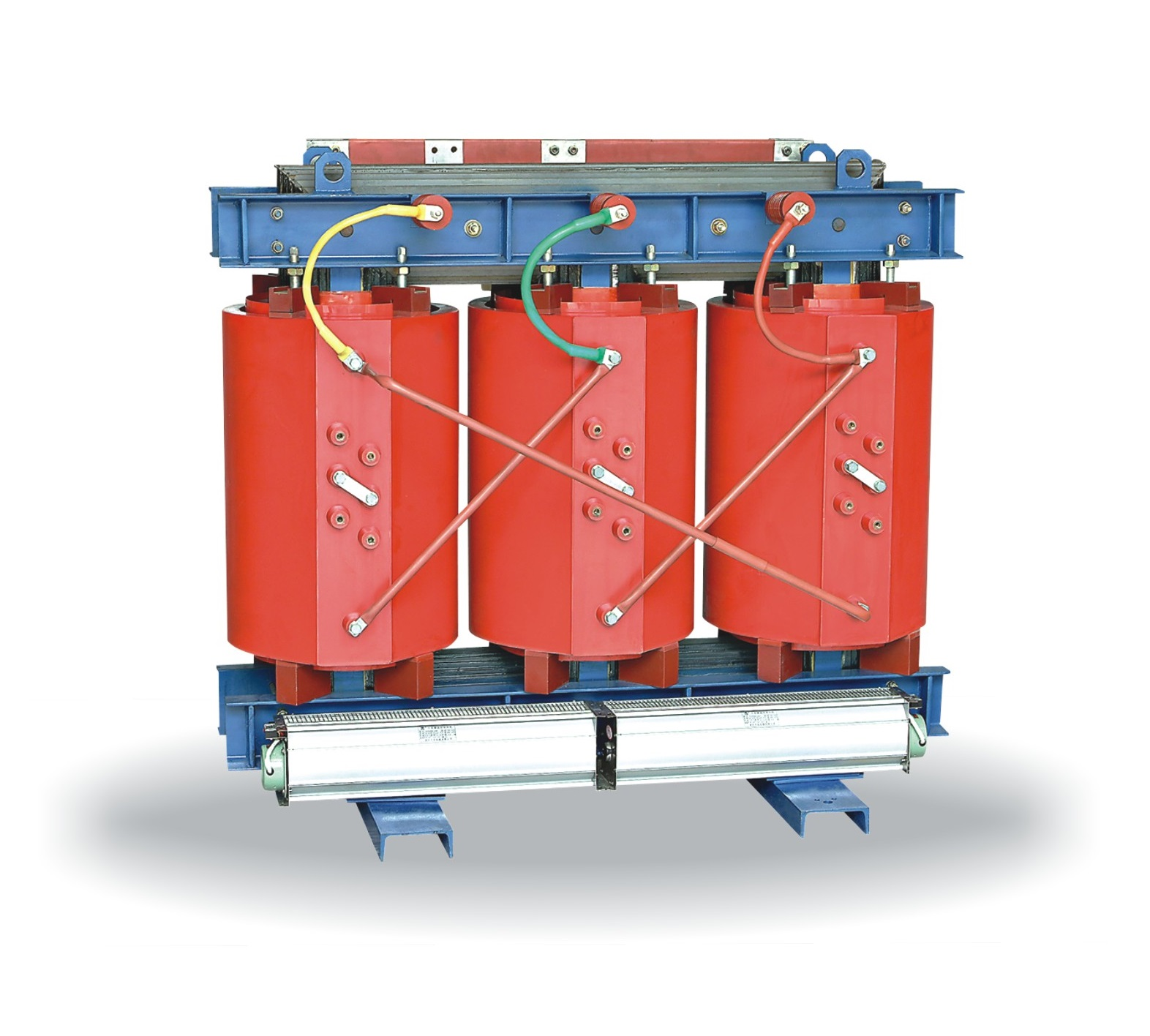
Enhanced Fire Protection Features and Improved Compliance for Indoor Applications
Flammable Oil Elimination: Reduction of Fire Risks
Dry type transformers eliminate flammable oil from their cooling systems, which is responsible for 37% of the electrical fires occurring in confined spaces, and the possible source of ignition. These units, then, are incapable of fire propagation, making them ideal for use in indoor spaces where ventilation is limited. The solid insulation system is capable of withstanding 220°C while the enclosure is intact. The system does not release any toxic gases, and the enclosure contains the fault. This construction directly aids NFPA’s fire prevention system by eliminating the hazard at the source. For the liquid-filled systems, 2023 arc-flash studies show a 90% reduction in fire risk for high-occupancy areas such as hospitals and schools.
Compliance with the Fire Code, NFPA 70, NEC Article 450, and Local Building Code
For indoor transformers, fire point systems, NFPA 70 (NEC) Article 450, require cooling systems that are non-combustible and located close to air handling units. Dry type units fully satisfy the requirements of 450.21, including reduced clearance and ventilation, by operating at 40°C ambient temperatures without the need for fireproof vaults. Their construction meets the IBC Chapter 8 standards for materials and flammability which avoid Class I liquids and require secondary containment. Consequently, 78% of today’s urban building codes allow oil-cooled transformers to be located above ground floors. This built-to-code construction noticeably decreases retrofit costs by 60% for fire suppression upgrades associated with oil systems while speeding the overall permitting process.
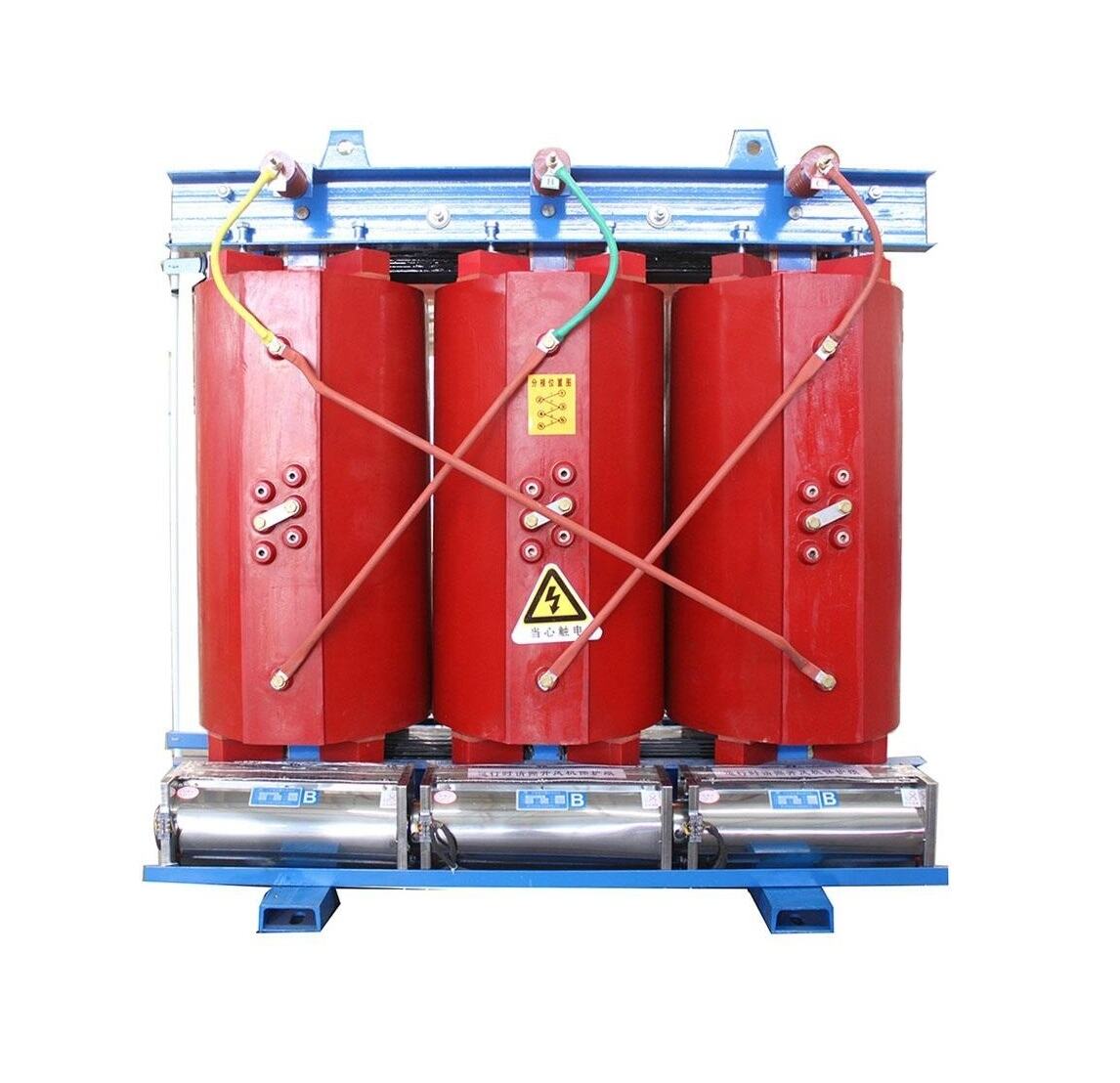
Operational Cleanliness and Safety Without Oil
No Potential Oil Leaks, Spills, or Internal Contamination
Dry type transformers contain no liquid dielectrics and therefore no potential for oil leaks, spills, or hydrocarbon contamination to the indoor environment. Without oil reservoir and containment systems, facilities avoid the liability associated with EPA reporting, costly EPA reporting, and Environmental Remediation. This design reduces liability exposure and protects the operational integrity of the facility, which is especially important for healthcare laboratories, data centers, and food processing plants where contamination control is essential. It prevents slip and fall hazards for employees and protects sensitive equipment from corrosive damage.
Exposure to Hazards for Maintenance Personnel and Building Occupants is Reduced
Eliminating flammable oil reduces three major hazards: the potential for fire ignition, the exposure to toxic fumes during fault events, and the exposure to skin irritants during routine maintenance. Technicians can inspect energized units without the need for respirators or hazmat suits, resulting in minimal downtime and improved response time. Building occupants benefit from the absence of VOCs (volatile organic compounds) which are associated with respiratory irritation and mental fog. The absence of flammable materials also makes it easier to meet the OSHA 1910.269 clearance requirements, making it safer to work in confined electrical rooms.
Installing Modern Buildings System Flexibility Without Compromising Space and Generating Noise
Transformers With Vertical Integration Option for Compact Indoor Settings
Dry type transformers are designed for efficiency—and safety—when it comes to space. The absence of built-in oil containment systems, reservoirs, and fire-rated vaults means an oil-free, safe installation for space-constrained environments including electrical closets, utility shafts, and integrated rack systems. High density urban buildings are a prime example in addition to renovation projects. Vertical configurations not only maximize utilization of space but our wall-mounted options are flexible and deployment in a location where structural modifications are not possible are readily made. All of this is done while maintaining NEC-compliant clearances. This is especially helpful to data centers and manufacturing facilities where horizontal space is limited.
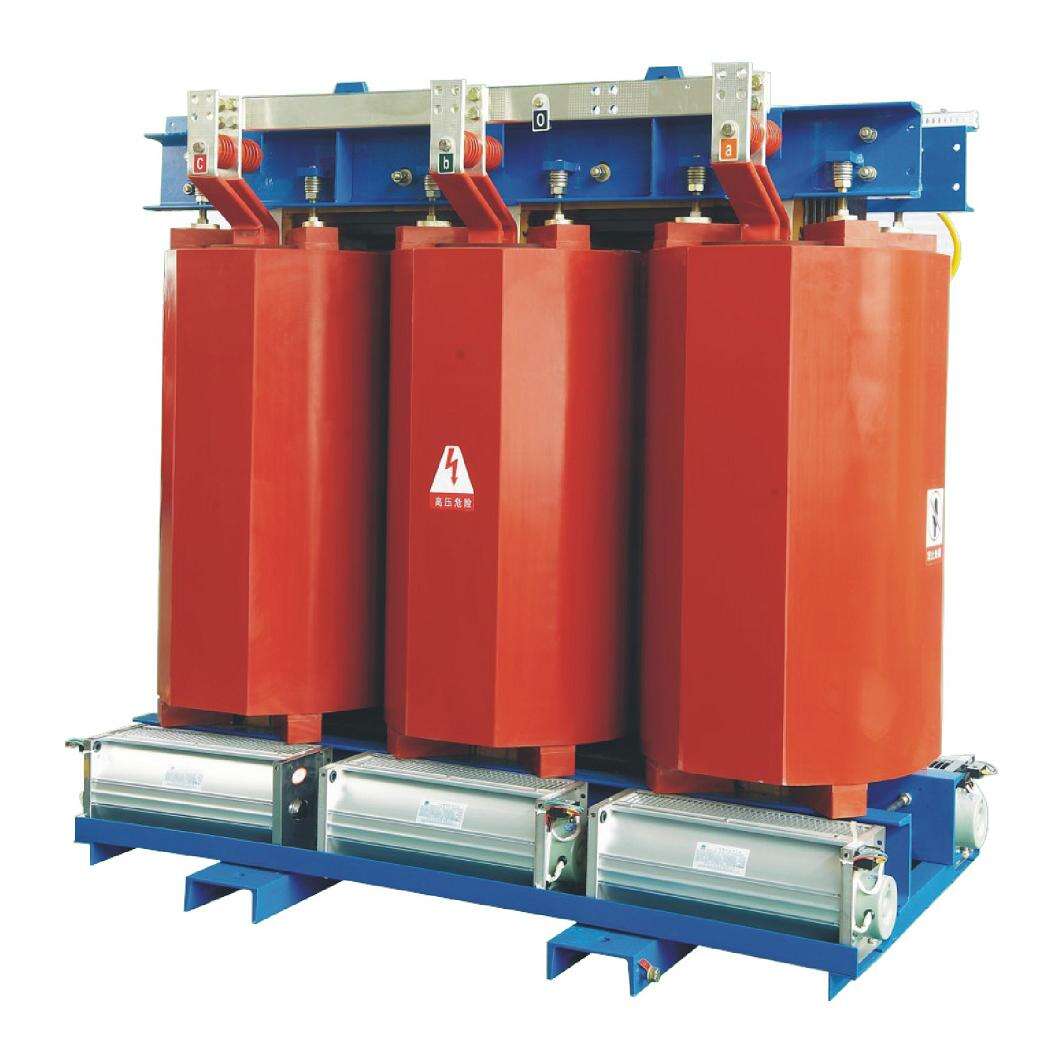
Acoustic Performance Meeting <45dB(A) standard found in Offices, Hospitals, and Schools
Transformers operate at sound levels below 45dB(A)—indicative of a gentle breeze—thus are eligible to use in sound sensitive locations. Engineered coil geometries, advanced core lamination, and structurally vibration-dampening materials are the basis of the a-coustic- performance and no secondary sound enclosures or sonic wraps are necessary. In quasi-psychotherapy environments such as hospitals, a low noise operation aids in healing and eliminates the disruptive noise. In schools and offices, the operation is below the WHO background noise recommendations and necessary to sustain concentration. The low noise design eliminates the need for sound absorption materials throughout the installation, reducing overall costs and facilitating integration into existing spaces.
FAQs
Are dry type transformers safe to use indoors?
Yes, dry type transformers are safe to use indoors as they do not use an oil-based cooling system and are non-combustible.
How do dry type transformers support regulations?
Local building codes consider dry type transformers compliant because they do not use combustible liquids, satisfying both NFPA 70 and NEC Article 450 regulations and providing a safe alternative to oil cooled transformers above ground floors.
What advantages do dry type transformers offer in maintenance and safety?
During maintenance, removing flammable oil from dry type transformers eliminates fire and smoke hazards. Safety is further enhanced from the decreased exposure of building occupants to airborne VOCs.
How do dry type transformers improve space utilization?
The absence of an oil containment system from dry type transformers allows use of minimal space and installation in smaller indoor locations. Modern buildings are designed with vertical stacking and wall-mounted options to optimize space.
What standard do dry type transformers meet in noise-sensitive spaces?
Because dry type transformers produce sound levels of less than 45 Db(A), they are suitable for noise-sensitive spaces such as hospitals and schools, without additional soundproofing.