 EN
EN

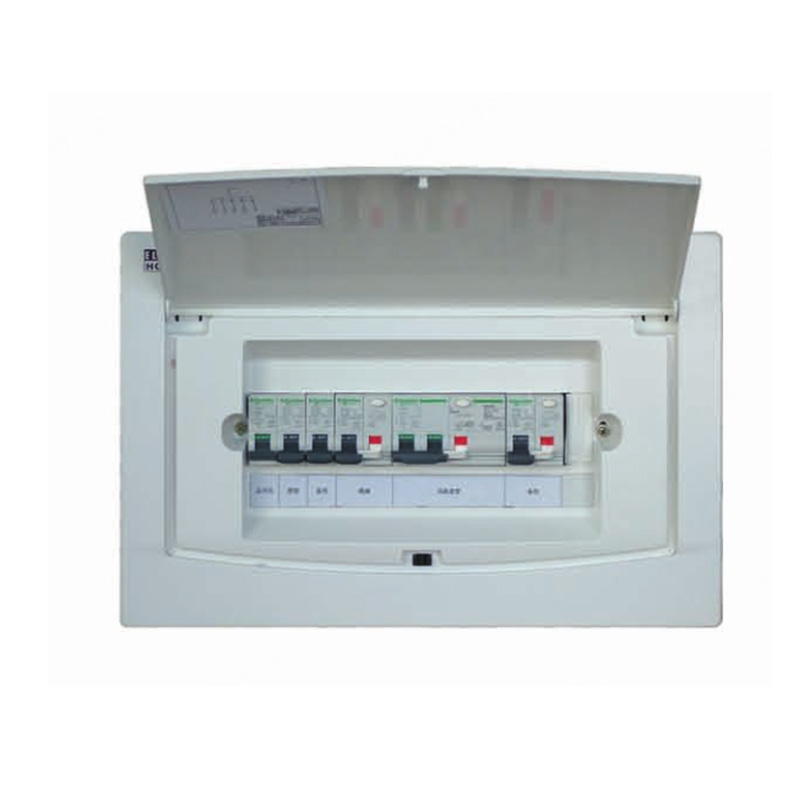
What Is a Smart Circuit Breaker? Core Technology and Key Features
Smart circuit breakers and traditional breakers
Smart circuit breakers offer a digital approach to electrical protection and give many features that traditional mechanical breakers simply can't offer. Smart breakers offer features such as built-in sensors to monitor the flow of current, voltage level, temperature, and power degree to prevent issues and analyze the problem before they turn into a catastrophic situation. Smart circuit breakers aim to adjust the energy consumption by giving the users the ability to analyze how in what parts of the building the energy is being used. Smart circuit breakers put a huge emphasis on the safety and electrical stress in the facility. Traditional circuit breakers cost, on average, 5 to 250 dollars for a trip, however, smart circuit breakers cost 120 to 500 dollars because they have so many added features.
For industrial facilities, this shift delivers tangible ROI: the Ponemon Institute (2023) reports average downtime costs at $740,000 per incident—making proactive electrical oversight not just safer, but financially imperative.
Key Elements: Remote Control, Real-Time Tracking, IoT Sensors
Smart breakers combine three important technologies. First, high-tech IoT sensors monitor the electrical aspects, including the detection of current harmonics and the variations in temperature, and also the detection of arcing events between contacts. These sensors operate at an incredibly high speed, meaning they capture data in the millisecond range. Then, the data analysis phase occurs in which local devices and cloud servers analyze the data to aid in early problem detection, such as beginning insulation failures and connection loosening, so they can be addressed before they lead to more serious complications. And finally, there are a number of communication protocols that ensure the interworking of all systems and the ease of communication between disparate systems. One of the better communication protocols between building management systems and central monitoring dashboards is the MQTT protocol. Because of this, maintenance staff are able to remotely control power to the circuits during emergencies, automatically offload power when the electricity price is high, and monitor the operational condition of the apparatus without a direct approach to the apparatus. Studies show that integrated systems can prevent approximately 37% of electrical fires. However, the actual number is a reflection of a good quality installation and good preventive maintenance.
Smart breakers are predictive fault detection devices that go beyond normal electrical safety measures. They adjust and monitor various sensor inputs like temperature fluctuations, unbalanced current flow, and high frequency electrical arcs to potential electrical issues. They detect and could shut off circuits in cases of breakdown, insulation failure, or connections/circuits corrosion. They have an accuracy of 94% based on field tests. Predictions show a shift towards less emergencies and more planned maintenance. DC/IC smart technology reduces electrical fires by up to 66% based on safety assessments from sites that have implemented this technology.
Integration of Demand Response and Energy Optimization
Smart breakers are great energy-saving tools in addition to the safety features they provide. Smart breakers are able to shift usage of electricity by moving less important electrical loads to off-peak periods. Customers have seen a savings of 15 to 30 percent in their energy bills. When used as part of a building management system, the smart breakers allow for coordinated control of the electricity usage in different areas of the building, enabling important equipment to be prioritized while less important ones are deactivated during peak demand times. Many participating factories report an average 22 percent reduction in energy cost, directly attributable to the factory's own control of smart breaker technology to shift loads. Smart breakers provide real time energy consumption information and allow for the control of equipment, leading to the discovery and control of ‘vampire’ loads that parasitically consume energy.
How Smart Circuit Breakers Facilitate Upfront Maintenance and Minimize Downtime
Condition-Based Monitoring and Preemptive Warning Systems
Smart circuit breakers completely change maintenance from scheduled actions to condition-based actions. Smart circuit breakers have sensors that monitor heat signatures, electric wave patterns, and resistance during normal operations. These sensors can detect problems, such as unusual sparking or resistance, before visually evident problems arise. Based on the data that depicts odd measurements, the system performs calculations, and documents such measurements as potential failure patterns. For example, a warm temperature of 10 degrees Celsius in a confined compartment for electrical devices indicates that the team requires immediate attention to the equipment. Technologies in smart circuit breakers have shown real-world research and have proven that facilities incorporated with smart circuit breakers will have 25% fewer unplanned or unexpected maintenance events and system failures, which means system failures at sites with equipment that has smart circuit breakers will become planned, scheduled events with a significantly lower risk.
Maintenance Scheduling and ROI Analysis based on Data
Operational analytics transform sensor data into maintenance workflow priorities. Rather than servicing on a pre-established timeframe, smart breakers create scores for predicted failures and recommend trends to optimize the distribution of labor and parts. The financial effectiveness of this approach cannot be overstated:
Maintenance Approach Annual Downtime Incident Cost ROI Period
Reactive Repairs 40+ hours $85k+ N/A
Data-driven Repairs <15 hours $45k < 18 months
Facilities using this method show a 30% reduction in maintenance costs while also providing an extendable life to equipment downstream, a critical utility in environments such as data centers and continuous process manufacturing.
When Choosing a Smart Circuit Breaker, Consider Compatibility, Regulations, and Where It Will Be Used
The Most Important Things to Consider Are UL/489/67, and Modbus, BACnet and MQTT
Obtaining UL 67 and 489 certification for the panelboards and circuit breakers isn't good practice, it's a necessity. These certifications indicate a piece the equipment's ability to manage faults, prevent fires, and endure prolonged use in a commercial space. On the compliance side of the equation, certification gaps create substantial and serious safety problems for facilities. Communication protocols are as important as the previously, requirements outlined. Where Modbus RTU/TCP and BACnet MS/TP fit in are less than ideal or harsh industrial situations, and where systems need cross communication, less than ideal is great. Where integrated HVAC and lighting control systems are important, as are industrial IoT setup protocols where MQTT is far more secure than the alternatives. Mixing protocols is a headache, and it's one we see add about 30% to a project's total cost due to the problem. It’s why facilities managers use open, flexible standards and versions to maximize cross vendor interoperability.
Integration with Building Management Systems (BMS) and Electrical Infrastructure
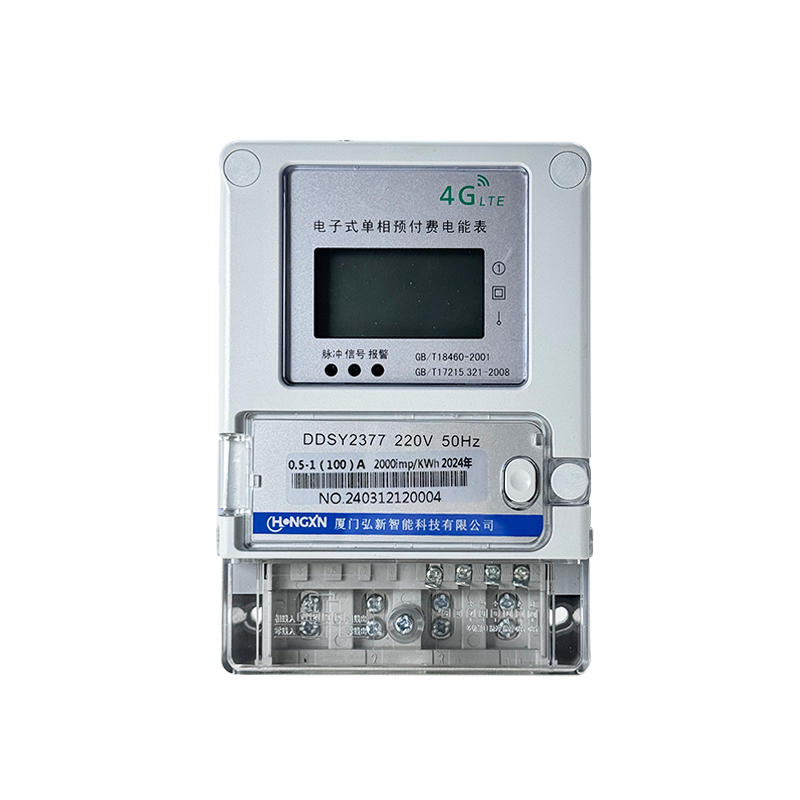
Cross-system collaboration stems from intelligent design and planning, rather than arbitrary interconnections. The smart breakers relay information regarding electrical loads, faults, and temperature readings directly to BMS. This enables buildings to automatically implement cost-saving measures. For example, buildings can reduce electricity consumption during peak demand periods and turn off non-critical circuits during demand response events. A U.S. Department of Energy study published last year showed potential energy cost savings of up to 18% with this approach. However, interfacing legacy systems (i.e., old electrical equipment) with new systems poses a challenge. Legacy electrical panels normally require specialized interfacing adapters to communicate across different primary and secondary controllers (e.g. Modbus to BACnet or RS-485 to MQTT) and different communication protocol signal ranges. Additionally, systems must be closely matched for integration to be successful (e.g., the same relay switching tolerance, data collection frequency, and voltage fluctuations) to avoid cascading system failures. When successfully integrated, standard circuit breakers can be transformed into intelligent devices within a larger electrical network. This integration provides improved reliability with fewer unscheduled outages, longer equipment life, and improved system performance insights from data analysis.
FAQ
What are the benefits of using smart circuit breakers?
Some of the benefits of smart circuit breakers include improved predictive fault detection and associated reduction in equipment failures, energy optimization, and reduced downtime through proactive maintenance.
In what way do smart circuit breakers assist in saving energy?
By making decisions about real-time electricity consumption to cut back on usage and provide better data on how energy is spent smart circuit breakers manage electricity consumption. Facilities have documented saving between 15% and 30% on there energy bills.
Which technologies are necessary for smart circuit breakers?
Smart circuit breakers are able to communicate and detect faults more effectively than traditional circuit breakers through the-use of IOT sensors, real time monitoring and electronic communication.
What must Smart circuit breakers adhere to?
Smart circuit breakers must adhere to the laws of UL 67 and UL 489 to ensure safety and reliability. In addition to these laws smart circuit breakers must also be able to use the communication languages of Modbus, BACnet and MQTT.