 EN

A Real PV Installation Failure on a Commercial Rooftop
How the PV Circuit Breaker Was Specified
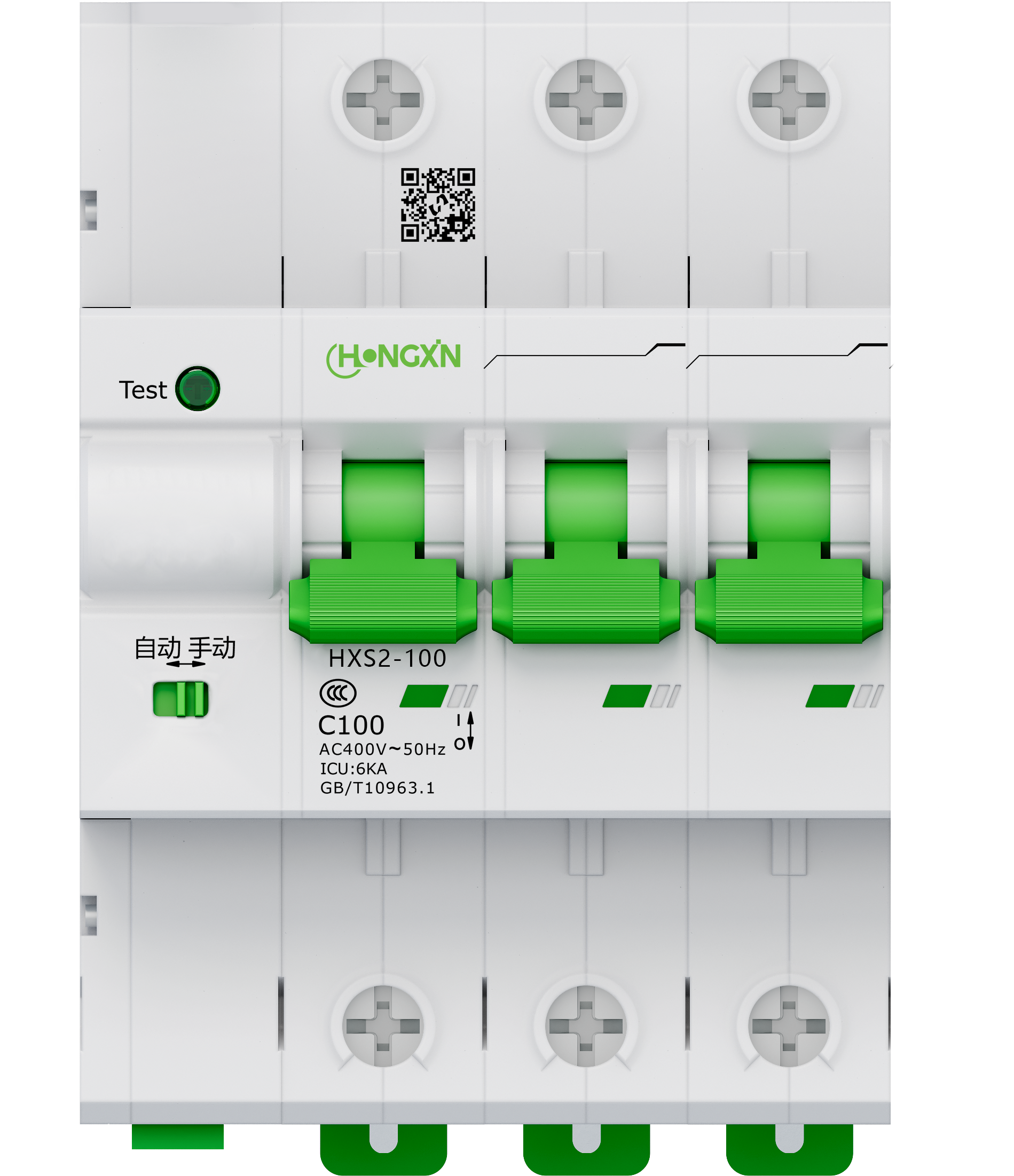
A commercial rooftop array in a southern industrial park deployed a 600 VDC string configuration across 24 panels. The contractor selected a general-purpose miniature breaker rated only for AC use, assuming any small breaker could protect the DC branch. Within a season, a fault occurred when insulation degraded near a junction box. The installed device failed to interrupt the direct current. A qualified pv circuit breaker is built for exactly this scenario, and the difference became obvious only after the incident.
The same building later joined an energy-consumption renovation for industrial and commercial buildings, where the Hongxin power distribution system provided central monitoring. That retrofit used properly rated DC protection, and the monitoring platform flagged a minor leakage event before it escalated. A DC-rated device rated for the string voltage would have cleared the original fault safely. Hongxin Intelligent Technology supplies the miniature and moulded-case families used in such DC protection roles. That visibility turned a recurring nuisance into a managed metric, showing why the DC protection choice matters beyond the initial install.
Why an AC Breaker Could Not Clear the DC Arc
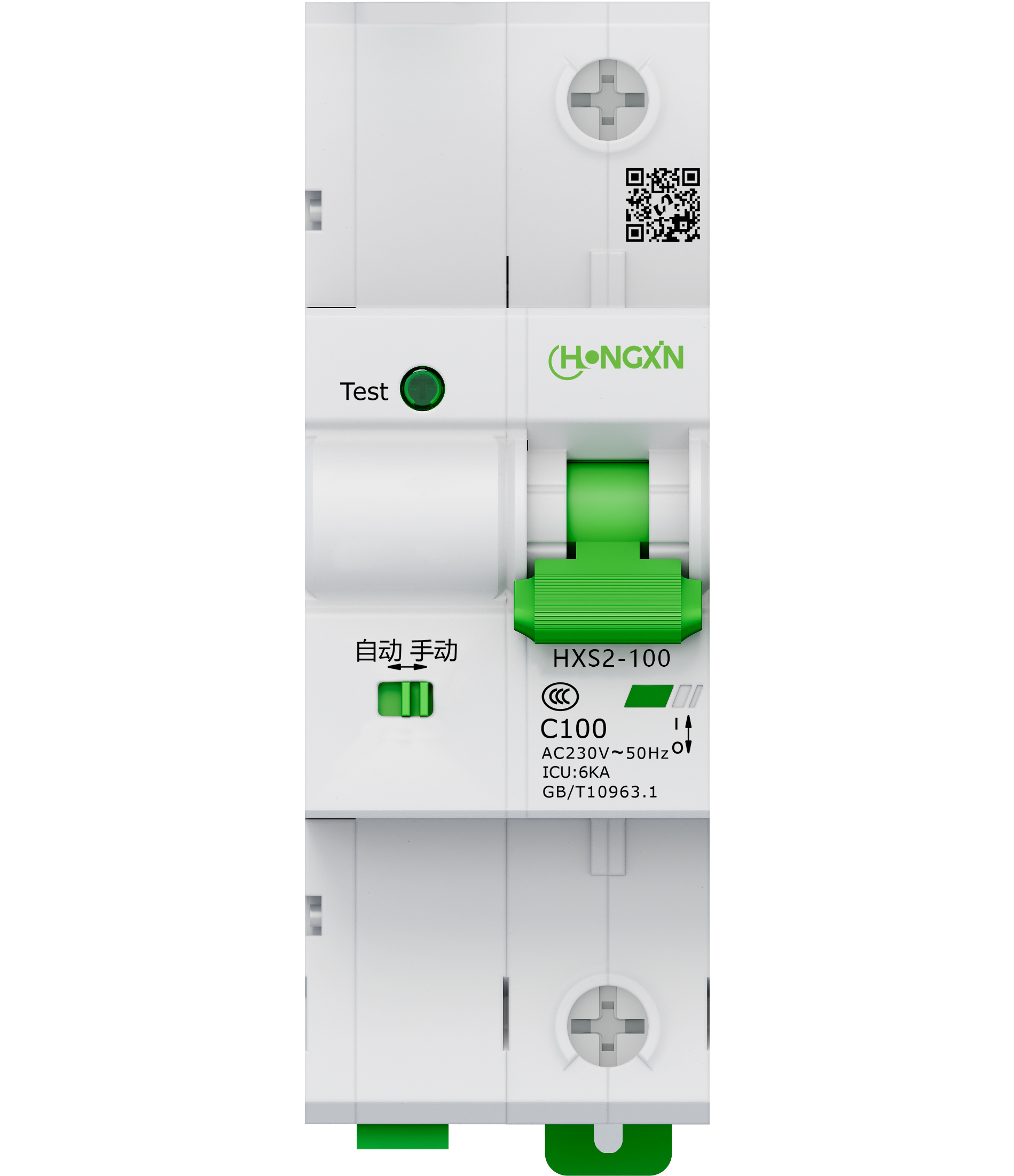
Direct current does not cross zero naturally the way alternating current does. An AC breaker relies on the periodic zero crossing to extinguish the arc. A DC fault sustains the arc, drawing energy continuously. The pv circuit breaker must force a zero or stretch the arc into a quenching chamber rated for DC. When the wrong device is fitted, the arc persists, heats the terminals, and can ignite enclosure material. This is the first reason a qualified pv circuit breaker is not interchangeable with an AC unit. Many failures trace to this single mismatch, which qualified DC protection avoids by design.
Key Performance Indicators of a Qualified PV Circuit Breaker
Specifying solar protection starts with measurable indicators rather than brand names. A qualified pv circuit breaker proves itself through voltage, breaking, and endurance numbers that an EPC can verify on the datasheet.
DC Rated Voltage Must Exceed String Open-Circuit Voltage
The most quoted indicator is the DC voltage rating. A typical 60-cell panel reaches about 37 V open-circuit, and a 20-string series can approach 740 VDC. A qualified pv circuit breaker must carry a DC rating above the maximum system voltage, with margin for cold-weather voltage rise. Specifiers often size for 1000 VDC or 1500 VDC systems. Choosing a pv circuit breaker below the string voltage means it may never open reliably. Most utility-scale designs now use 1500 VDC architecture, so the pv circuit breaker rating should match the bus, not just the panel. Field teams should recheck the pv circuit breaker rating after any panel-model change, because module voltage tolerance shifts the string maximum.
Rated Breaking Capacity and Arc Extinction
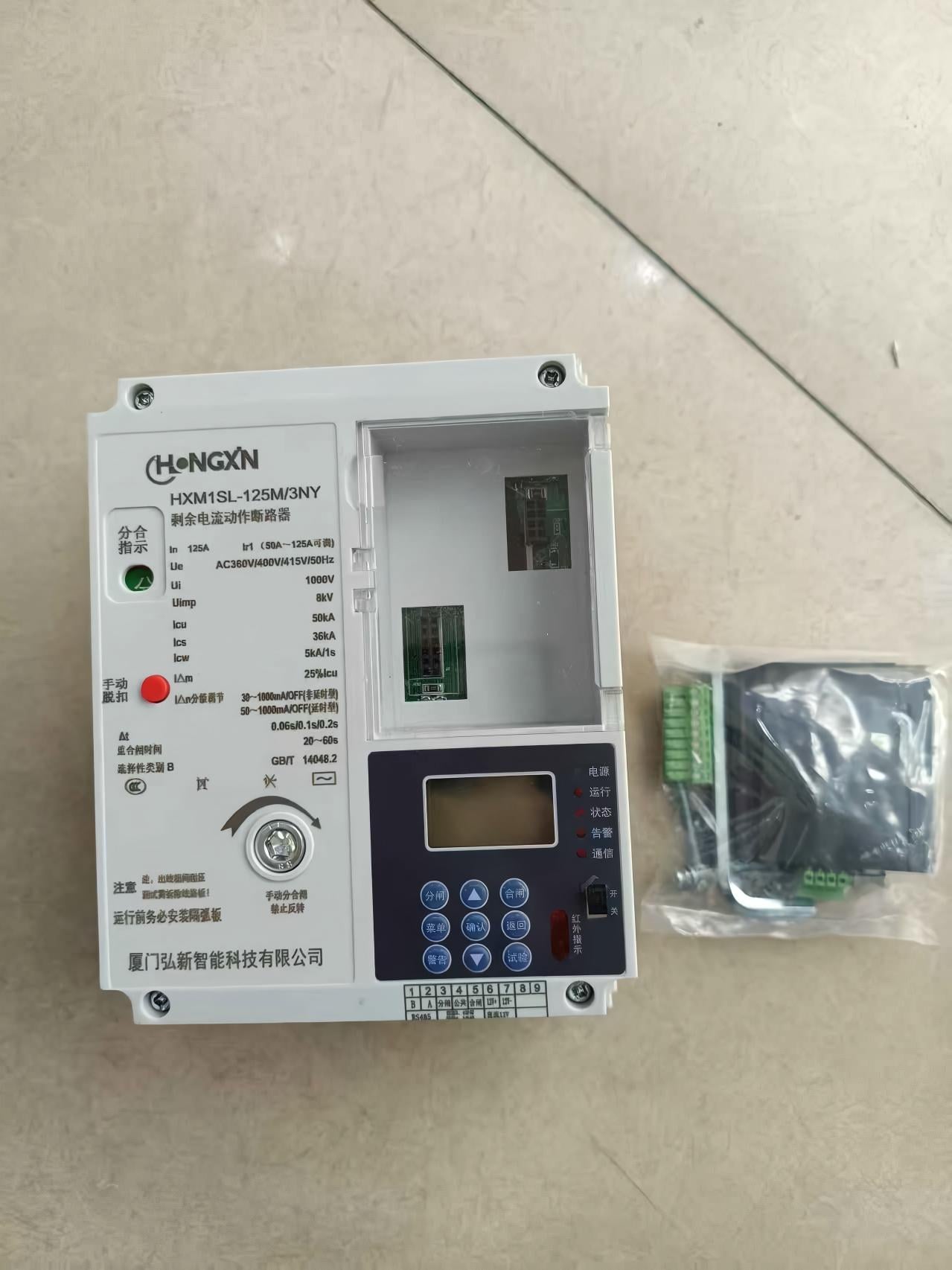
Breaking capacity, expressed in kiloamperes, shows how much fault current the device can interrupt. A qualified pv circuit breaker typically lists a DC breaking rating such as 6 kA or 10 kA at the rated voltage. The internal arc chute and magnetic trip must extinguish the arc within milliseconds. A weak pv circuit breaker allows the arc to restrike, prolonging exposure. Hongxin designs its low-voltage components to meet these interruption demands in field conditions. Independent labs validate each DC breaker model by forcing the rated fault and measuring clearance time. Higher breaking ratings cost more but pay back by surviving grid fault events that weaker units cannot clear.
Polarity, Leakage and Long-Term Stability
DC systems hold polarity, and a qualified pv circuit breaker must tolerate continuous current in one direction without contact welding. Leakage current from panels, especially in humid conditions, stresses insulation. A dependable pv circuit breaker uses materials rated for the environment and keeps leakage paths long. The device should also survive thermal cycling from daily sun load. A marginal pv circuit breaker degrades silently until it fails under load. Before commissioning, verify that the pv circuit breaker polarity marking matches the array orientation to avoid reversed feeding. Contact welding in a failed unit can leave the circuit live even after the handle drops, a danger unique to DC.
Thermal Endurance and Environmental Rating
Operating on a rooftop means temperature swings and dust. A qualified pv circuit breaker carries a temperature class and often an IP rating for the enclosure. An IP65 housing keeps dust and spray away from live parts. The pv circuit breaker should hold its trip curve across the rated temperature band. Hongxin Intelligent Technology builds its distribution components for harsh sites, from communication base stations to rail transit facilities. Dust accumulation on fins raises operating temperature, so the pv circuit breaker location should allow airflow. The same logic applies to combiner and inverter enclosures across the site.
Standards That Define a Qualified PV Circuit Breaker
International and regional standards give specifiers a common language. Reading the label is not enough; the pv circuit breaker must carry test marks from an accredited body. IEC 60947-2 covers low-voltage switchgear and controlgear, including circuit breakers, while IEC 60898 addresses household and similar breakers. A qualified pv circuit breaker intended for industrial solar often aligns with IEC 60947-2 and the PV-specific guidance in IEC 62477 for power electronic converter systems. In North America, UL 489 and UL 1077 define supplementary and branch-circuit protection. Surge protection paired with the pv circuit breaker follows IEC 61643, and enclosure ingress follows IEC 60529. System wiring must respect NFPA 70 NEC Article 690 for PV systems, while OSHA 29 CFR 1910 governs electrical safety in the workplace. NEC Article 690 also requires a visible disconnect, so the pv circuit breaker often pairs with a labeled isolation switch. Manufacturers holding ISO 9001 demonstrate consistent quality control behind every pv circuit breaker they ship.
Each standard above answers a practical question. IEC 60947-2 confirms interruption ability; IEC 62477 addresses converter-linked faults; UL 489 gives a recognized North American path; NEC Article 690 sets wiring and disconnect rules; ISO 9001 assures the production line. A DC-rated breaker that cites these documents gives an EPC a defensible specification. Distributors who stock standards-compliant units reduce callback risk and protect their reputation on large solar builds.
How to Select, Inspect and Maintain a PV Circuit Breaker
Selection and maintenance decide whether the paper specification survives contact with a real rooftop. The right pv circuit breaker still fails if mounted loosely or ignored for years.
A Practical Selection Checklist
Start by recording the string open-circuit voltage and the array fault current. Pick a pv circuit breaker with DC voltage rating above the system maximum and breaking capacity above the calculated fault level. Confirm the standard alignment for the target market—IEC for most global projects, UL for North America. Verify the temperature range and IP rating suit the mount location. Hongxin's miniature circuit breakers and moulded case circuit breakers cover DC-rated options for solar branches and combiner boxes. A qualified pv circuit breaker also ships with clear marking of its DC rating, not just an AC label. Document the chosen breaker model and its DC curve in the project file for future auditors. For combiner boxes, size the pv circuit breaker per string so one fault isolates a single branch, not the whole array.
Field Inspection and Maintenance Tips
Inspect terminals each season for warmth, discoloration, or odor. A healthy pv circuit breaker stays near ambient temperature under load. Use a thermal camera during peak sun to catch hot spots early. Torque connections to the manufacturer's spec, since loose DC terminations arc. Test the trip function on a sample during scheduled downtime, and replace any pv circuit breaker that has cleared a major fault—breaking capacity is consumed on operation. The about us page details how Hongxin supports full-lifecycle power-distribution solutions, including monitoring that flags degradation before failure. A tagged pv circuit breaker with a logged test date simplifies annual compliance reviews. Log ambient and loaded temperatures so a slow drift in the pv circuit breaker trip point becomes visible early.
Frequently Asked Questions
Question: What voltage rating should a pv circuit breaker have for a 1500 VDC system?
Answer: A pv circuit breaker for a 1500 VDC array must carry a DC rating above the system's maximum open-circuit voltage, not just the nominal panel value. Cold temperatures raise string voltage, so specifiers add margin. Most utility-scale designs select 1500 VDC rated devices with adequate breaking capacity. Confirm the marking shows a DC voltage, since an AC-only label does not guarantee DC interruption performance in the field.
Question: Can an AC miniature circuit breaker protect a solar DC string?
Answer: An AC miniature breaker should not protect a solar DC string. Alternating current crosses zero periodically, letting the arc self-extinguish, while direct current sustains the arc. A pv circuit breaker forces interruption through a rated arc-quenching chamber. Fitting an AC-only unit risks a persistent arc, terminal heating, and fire. Always specify DC-rated protection and verify the label before commissioning any rooftop or ground-mount array.
Question: Which standard applies to a pv circuit breaker in North America?
Answer: In North America, a pv circuit breaker often follows UL 489 for branch-circuit protection or UL 1077 for supplementary protection, alongside NFPA 70 NEC Article 690 for PV system wiring and disconnect rules. These standards define testing, marking, and installation expectations. EPCs should confirm the exact listing for the application, because supplementary and branch-circuit devices carry different responsibilities within the same solar installation.
Question: How often should a pv circuit breaker be inspected?
Answer: A pv circuit breaker should be inspected at least once per season, ideally during scheduled maintenance. Check terminals for warmth, discoloration, or odor, and use a thermal camera at peak sun to find hot spots. Torque connections to specification, since loose DC terminations arc. Log test dates and loaded temperatures so slow drift becomes visible. Replace any device that has cleared a major fault, as breaking capacity is consumed.
Question: What does IEC 62477 add for PV protection?
Answer: IEC 62477 addresses safety of power electronic converter systems, which includes PV inverter-linked faults that a plain breaker standard may not fully cover. A pv circuit breaker specified alongside IEC 62477 guidance handles converter-origin faults and ripple currents more reliably. Pairing it with IEC 61643 surge protection and IEC 60529 enclosure ratings gives a complete, standards-backed DC protection scheme for solar sites.
Question: How does a pv circuit breaker differ from an AC breaker in arc clearing?
Answer: An AC breaker relies on the natural zero crossing of alternating current to quench the arc. A pv circuit breaker faces continuous direct current with no zero crossing, so it must stretch and cool the arc inside a dedicated chamber until current stops. Without this design, the arc persists and heats parts. That single physical difference is why DC-rated devices are mandatory for solar string and combiner protection.