 EN
EN

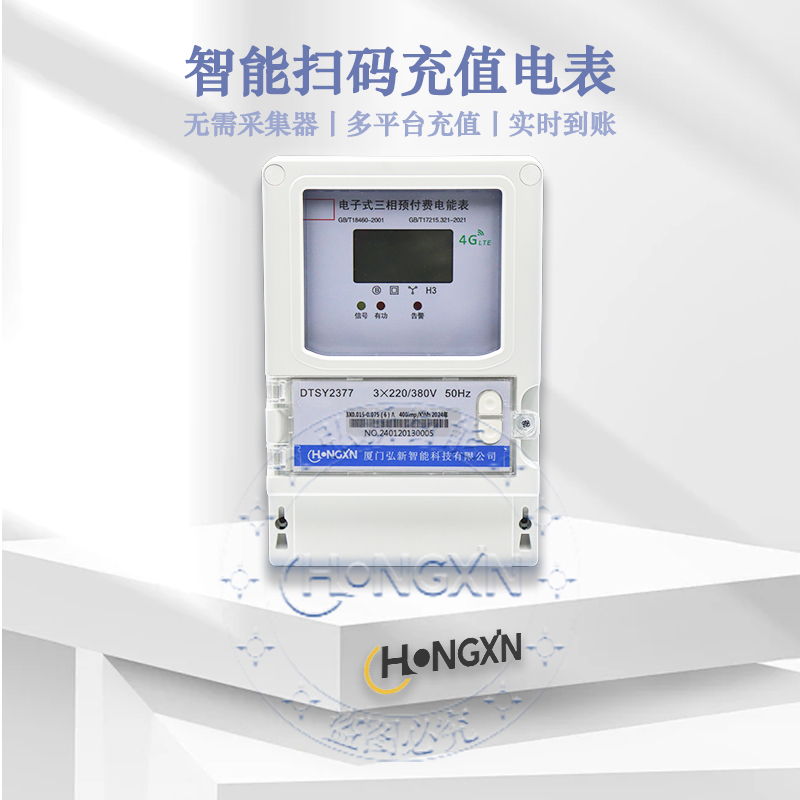
Smart Electricity: Real-Time Oversight and Smart Control of Distribution Grids
The ability to track power consumption data to provide instantaneous control of operations is a paradigm shift in energy management. Real-time data, thanks to the computing ability of the sensors deployed in the IoT's seamless wire, and sophisticated algorithms in the data stream, can detect anomalies from the sensors in the stream (voltage spikes, surges, and dips, etc.) and consumption patterns. This instantaneous data can allow the operators to:
- Avoid equipment failure by preemptively servicing the equipment before breakdowns occur.
- Instantaneously optimize energy distribution during periods of heightened demand.
- Reduce operational costs and improve reliability of the consumption nodes (distributed grid) by reducing the average operational costs of the consumption nodes (distributed grid) by reducing the average operational costs of the consumption nodes (distributed grid).
- Reduce the average operational costs of the consumption nodes (distributed grid) by reducing the average operational costs of the consumption nodes (distributed grid).
The Ability of Real-Time Power Consumption Monitoring to Increase Operational Flexibility.
What Smart Monitoring Does to Integrate the Smart Grid
Smart monitoring enables dynamic demand management and demand-side response throughout the grid. They shift energy consumption patterns in response to sudden weather, storm, or manufacturing output patterns. Sensors that detect abnormal responses in manufacturing sites will initiate protective measures to avoid system failures. Reacting to demand can increase operational flexibility by around 40%, compared to systems that operate in a demand-responding manner. These systems have the potential to reduce the operating time of the system by 40%.
Incorporating Machine Learning, Analytics, and IoT for Predictive Load Balancing
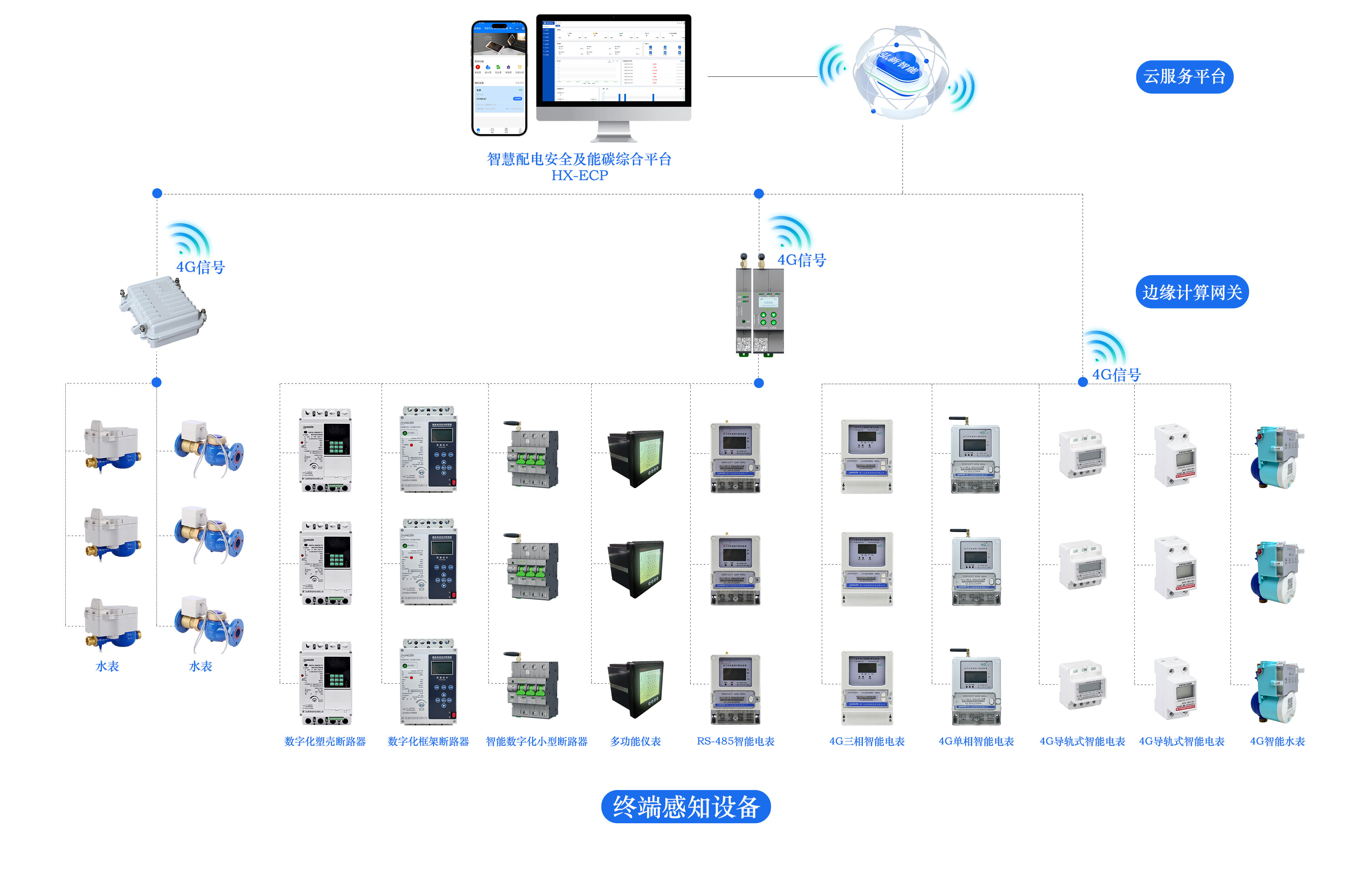
The combination of edge computing with cloud-based analytics creates electricity networks that are smart and resilient and that continuously optimize themselves.
Smart Grid Systems: The Meaning of Smart Grid Systems: The Backbone of Smart Electricity Deployment
Grid Modernisation: Reliability, Resilience, and Bidirectional Communications
Smart grids are modernising with real-time monitoring and automatic control technologies which identify problems, including transformer failures, within milliseconds (in half the time old systems would react to an issue). Smart grids also have self-healing mechanisms which automatically divert the flow of electricity to prevent major blackouts. A Ponemon Institute study from 2023, estimated these systems save plants approximately $740,000 due to revenue loss each year. Additionally, they feature two-way communication. When a grid's demand is high, utility companies can send price increase signals. Consumers are incentivised to move their electricity-intensive activities (such as EV charging and laundry) to off-peak hours. With this, consumers are transformed into active participants that help stabilise the grid.
Smart Electricity Data Flow Enabled by Low Latency Protocols (MQTT, LoRaWAN, 5G)
The instant and reliable transfer of data is necessary to maintain grid stability. Low latency protocols are utilised to provide data transfer with varying degrees of latency:
5G is capable of providing <10ms response time to control signals that are deemed as mission-critical (such as solar inverter control during voltage fluctuations).
MQTT is able to process telemetry from millions of metering devices and is estimated to reduce data volume by 70% (IEEE, 2023).
LoRaWAN is capable of powering itself for years off a single battery (providing outage alerts) and is able to connect to sensors within remote substations.
In summary, these technologies work together to enable predictive load balancing.
Enabling Renewable Integration Through Smart Electricity Systems
Coordinating Distributed Solar, Wind, and Storage via Intelligent Control Layers
Solar and wind energy generation requires a lot of coordination to maintain the stability of the electrical grid, as it is generated sporadically. Modern smart grids have advanced control systems that manage the various sources of generation throughout the grid. These systems control the generation and storage from sun and wind resources based on weather forecasts and real-time data from the grid. For example, if there is excess solar generation, the grid will divert that energy to storage facilities or to other areas of the grid. Conversely, when there is a lull in the wind, the grid will release stored energy to the generators. This type of management reduces the need to utilize fossil fuel generators and reduces the waste of renewable energy generation. Based on a National Renewable Energy Lab study from last year, it was found that this type of management can increase the utilization of renewable energy generation by almost 30%, which will reduce the CO2 emissions from fossil fuel generation by 28 tons per year per MW of capacity. What was once just point of intermittent renewable energy generation is now becoming a reliable source of energy generation for the grid.
Consumer Empowerment: Smart Meters and Demand-Side Participation
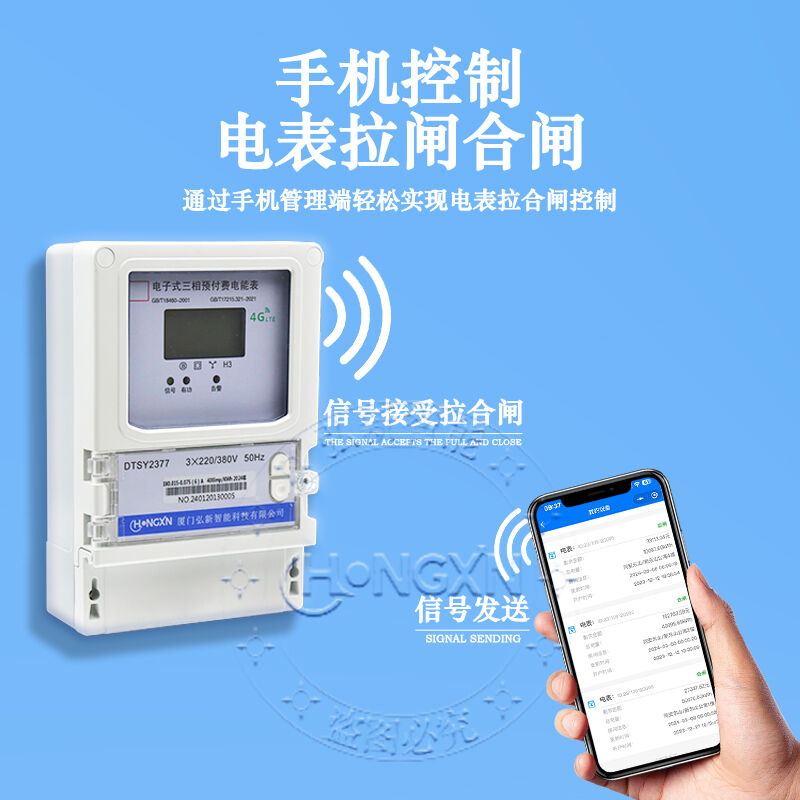
The development of smart meters provides customers with the ability to take control of their energy consumption. Smart meters enable the customers of energy services to take a step beyond being a passive customer and make them an active participant in the functioning of the energy system. Smart meters are part of a system called Advanced Metering Infrastructure. This means the customer can see how the system operates and can see how their consumption breaks down in to each appliance, and ultimately, make behavioral changes to save money. In the Energy Efficiency Journal, a study showed that smart meter customers, in the first year of implementation, reduced consumption by 50% of the smart meter customers. This is to be expected as customers who are aware of their consumption levels will change their behavior to consume less.
Conventional Meters vs Smart Meters
Monthly manual readings, estimated bills, and one-way communication.
The entire system supports those dynamic pricing setups we see nowadays, especially time-based electricity rates. With these options available, people do their laundry and charge their EVs during off-peak, cheaper rates. Some pilot programs provided evidence in real-world settings. Demand-side management reduced reliance on older fossil fuel backup plants by 14% in the Grid Modernization Report from last year. There’s plenty of research on this. People tend to understand what the situation is and then tend to peak their usage lower by 8 to 12 percent. This was confirmed in an Energy Policy study investigating the effects of consumer engagement. Smart homes push the envelope further. The meters automatically respond to varying prices during the day, and may alter thermostat settings, or even halt EV charging. Random consumption of energy is turned into deliberate, beneficial to the power grid, energy use.
FAQ
What is real time monitoring of power consumption?
Real time monitoring of power consumption refers to the use of sensors and data streams to automatically identify anomalies in power consumption and take corrective actions to increase efficiency and reduce operational costs.
How do smart grids improve grid reliability?
Advanced analytics and real time data monitoring helps smart grids deal with and avoid large outages before they happen. Self-healing and automated control systems manage and improve power supply reliability, even when demand is at peak supply.
What technologies support smart electricity data flow?
For data flow technologies to maintain stability, they need low-latency communication. 5G, LoRaWAN, and MQTT do a good job at providing this, allowing for fast data processing to better manage load and grid systems.
How do smart meters promote consumer participation?
Smart meters encourage customers to monitor and modify their electricity usage by providing them real time data. Customers can also take part in time of use pricing programs, and shift their electricity usage to off-peak times to lower their bill.