 EN
EN

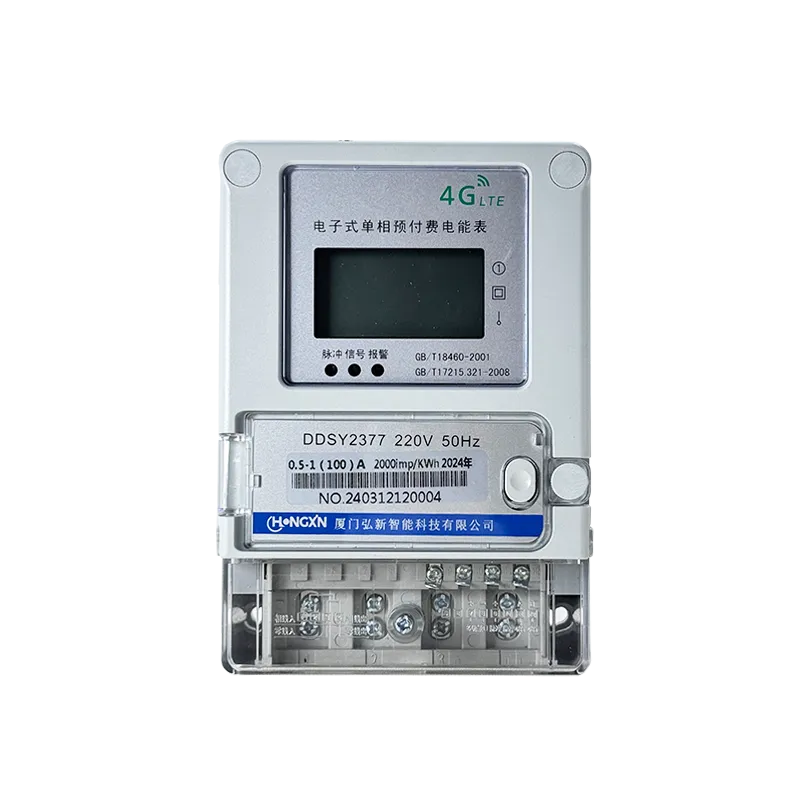
Field Case: A Factory That Found 18% Waste in One Month
A mid-sized plastics plant suspected its energy bill was too high but had no proof. After installing a smart meter with 15-minute interval logging, the facilities team discovered that three compressors restarted simultaneously every weekday at 6:02 a.m., creating a demand spike that triggered a higher tariff band. Shifting one start by nine minutes removed the overlap. The single change cut peak demand charges noticeably within the first billing cycle.
Where the Hidden Loads Hid
The waste was invisible under manual reading because the monthly visit captured only one instantaneous snapshot. A smart meter records thousands of points, exposing patterns: idle machines drawing standby current, a chiller running during unoccupied hours, and a faulty contactor that cycled twenty times a night. None of these showed up on a paper bill.
The cost of that blindness is not only energy but capital. A site that cannot see its load shape often over-sizes generators, transformers, and cooling to cover a peak it could have shaved. A smart meter exposes the true peak so the next equipment purchase matches reality instead of a guess, frequently deferring a six-figure upgrade by years.
Why Monthly Bills Hid the Problem
A monthly total blends efficient and wasteful periods into one number. Real-time data separates them. Once the plant could see the curve, supervisors acted on behavior rather than guesswork. Hongxin AIOT meters in the same deployment pushed readings to a dashboard so the team watched the effect of each adjustment the same day.
The behavioral change alone paid for the project. Within eight weeks the plant had retired one auxiliary chiller that previously ran on standby, trimmed weekend load, and set a hard cap on simultaneous motor starts. Supervisors stopped arguing about the bill and started reading the curve, which is the whole point of real-time metering: it converts a monthly surprise into a daily habit.
Risk Analysis: What Manual Reading Misses
Clamping a meter to a panel once a month leaves long blind spots that carry real cost and safety consequences.
Estimated Billing Errors
Utilities that estimate readings during missed visits can over- or under-charge for months. A smart meter removes estimation by reporting actual consumption, which protects both the user and the supplier from dispute. Estimation also hides leaks: a continuously running pump looks normal on a quarterly average but obvious on a daily profile.
No Early Warning of Faults
Without interval data, a failing component may run hot for weeks before a bill signals trouble. Real-time monitoring flags abnormal draw within minutes, giving maintenance a head start. For sites with sensitive process equipment, that early signal prevents downtime far more valuable than the energy saved.
A smart meter that surfaces a sudden current spike at 3 a.m. can reveal a valve stuck open or a pump running unattended. Catching that early often saves more in avoided downtime than the metering project cost, which reframes the device from a line expense into a form of operational insurance.
Technical Analysis Behind Real-Time Smart Meter Data
The capability rests on three layers: measurement accuracy, communication, and data structure.
Interval Metering and AMI Networks
An advanced metering infrastructure (smart meter) samples consumption at fixed intervals and transmits the records over a secured radio or cellular network to a head-end system. Interval length drives insight: 15-minute data reveals load shape; hourly data only shows trends. The communications layer must be reliable enough that no interval is silently dropped.
ANSI C12.20 and IEC 62056 Accuracy
Accuracy classes matter. ANSI C12.20 defines performance for electricity meters in North America, with Class 0.2 indicating a tightly bounded error. Internationally, IEC 62056 (the DLMS/COSEM suite) standardizes the data model and communication so a smart meter from one vendor can talk to another system. Hongxin AIOT models cite the applicable class and protocol so integrators can plan without proprietary lock-in.
Battery-backed timekeeping deserves attention here. If the internal clock drifts, intervals no longer line up with events, and the load curve becomes meaningless. Choosing a smart meter with a stable reference clock and a documented drift specification protects the data quality that every downstream saving depends on.
Practical Selection, Installation, and Care
A meter is only as useful as the discipline around it.
How to Choose a Smart Meter That Fits
Decide the interval first: 15-minute logging suits cost-control programs, while sub-metering for a single line may need one minute. Confirm the communication path (LoRaWAN, cellular, or wired M-Bus) matches the site. Check the accuracy class against the billing role, and verify IEC 62056 or ANSI C12.20 conformity. Hongxin AIOT publishes both the class and the supported protocol for each smart meter so specifiers avoid surprises at commissioning.
Checks That Keep Readings Trustworthy
Test the communication path quarterly by comparing a week of interval data against the utility portal where available. Inspect enclosures for condensation, and confirm the time clock is synchronized so intervals line up with events. Replace any smart meter that drifts outside its stated accuracy after a verification check.
Train the people who read the data, not only the people who install it. A meter that feeds a dashboard nobody opens delivers no saving. The most successful deployments assign one owner for the interval data and a monthly review cadence, so the real-time visibility from the smart meter turns into a standing operational discipline rather than a one-time curiosity.
Frequently Asked Questions
Question: How does a smart meter show consumption in real time?
A smart meter samples usage at fixed intervals, often every 15 minutes, and sends the records over a secured network to a software platform. The platform graphs the data so users see load shape the same day instead of waiting for a monthly bill. Real-time visibility turns vague suspicion into specific, fixable behavior.
Question: What accuracy standard applies to smart meters?
In North America, ANSI C12.20 sets the performance class for electricity meters, with Class 0.2 marking tight error bounds. Internationally, IEC 62056 defines the data model and communication. A credible smart meter cites its accuracy class and supported standard so the readings hold up during audit or billing dispute.
Question: Is interval data secure from outside access?
Modern advanced metering infrastructure encrypts both the radio or cellular link and the head-end storage. Standards such as IEC 62056 include authentication so only authorized systems read or configure the meter. Site owners should still segment the metering network and rotate credentials per the vendor guidance.
Question: Can a smart meter reduce a commercial bill directly?
The meter itself does not lower consumption, but the visibility it provides drives action: shifting loads off peak bands, fixing standby waste, and catching faults early. Many sites recover the device cost within a few billing cycles once the interval data guides operational changes.
Question: Which communication method works best?
The choice depends on site layout. Cellular fits remote or scattered assets; LoRaWAN or wired M-Bus suits dense buildings with existing infrastructure. A smart meter should support the path already present, or the added gateway cost can erase the savings the project aimed for.
Question: Why source from a vendor that publishes protocols?
Open standards such as IEC 62056 prevent lock-in and let the meter feed existing dashboards. Hongxin AIOT lists the protocol and accuracy class for each smart meter, which shortens integration and protects the owner if the software vendor later changes.