 EN
EN

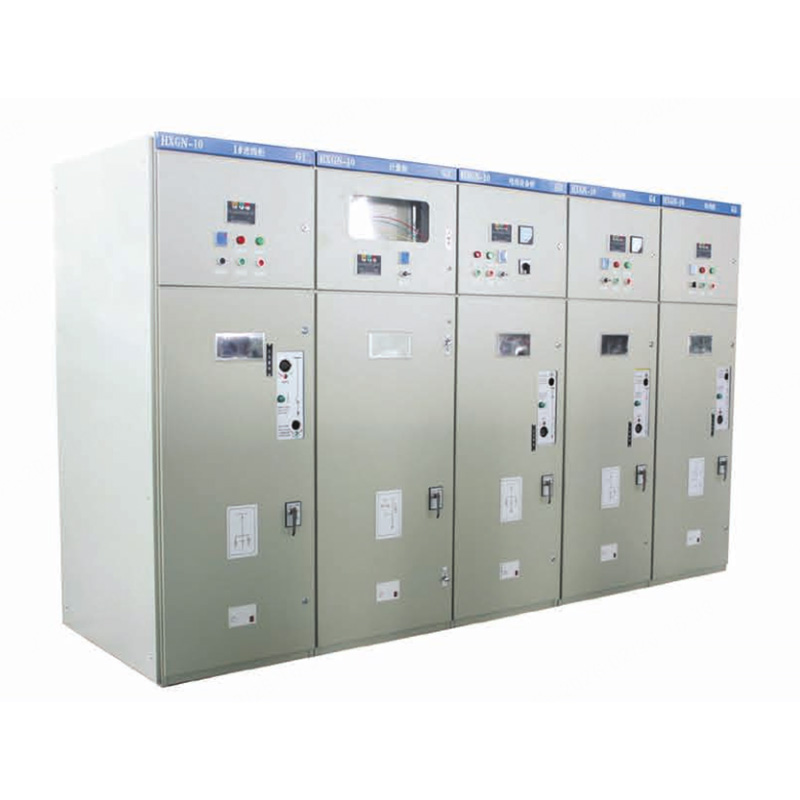
Core Architecture of an IoT Circuit Breaker
Sensing layer: Instant Capture of Electrical Parameters
An IoT Circuit Breaker’s core feature is the sensing layer, which comprises ultra-precise sensors to monitor a variety of critical electrical parameters 24/7. Current transformers serve to detect this load change within an approximate 1% margin. Meanwhile, voltage sensors and others to identify such issues as phase imbalances, harmonic distortions, and built-in thermal magnetic trip unit temperature sensors which can identify overheating prior to a thermal magnetic trip unit’s failure. These sensors collectively identify dangerous situations such as an arc fault or insulation materials that may be deteriorating. Industrial reports from the prior year show that this type of monitoring can and has reduced equipment downtime by 50%. Furthermore, this monitoring capability converts the old analog signals into digital signals to complete a “snapshot” of the electrical health status of the circuits.
Processing & Connectivity Layer: Edge Intelligence and Secure Uplink
The data travels from the sensors using what we refer to as the edge intelligence layer, where processing takes place by microcontrollers that perform embedded analytics. What does this translate to? Response time in critical cases where equipment starts pulling massive power and requires to be tripped is below 2 milliseconds. There is no need to wait for cloud response. To ensure the cloud is serviced securely, we apply MQTT encryption, However, in the case where legacy SCADA is present, Modbus RTU is a good alternative. In our systems, the security is designed into the system with a zero-trust security model. Each session is assigned a session-specific set of unique cryptographic keys created by hardware security modules. From start to end, everything is secured. For critical and non-critical safety and operational functions, the system integrates local processing with safety functions and secure remote processing. This allows for operational consistency and remote diagnostics when required.
Key Sensors and Communication Protocols for IoT Circuit Breaker Integration
Main Sensing Functions: Current, Voltage, Trip/Close Status, and Operational Status Monitoring
Modern IoT circuit breakers have several integrated systems. First are current transformers that monitor power consumption. Next, there are voltage sensors that monitor voltage sags, surges, and unwanted harmonics in the electrical circuit. Contact position sensors are able to monitor breaker openings and closures to the millisecond, which is very relevant in critical situations. Finally, there are operational health monitors that can sense the temperature, the condition of worn moving parts, the adhesion of the insulation, among others. When sensors work together, it can change the nature of the readings. As an example, a 15% difference between phases can flag something to watch in order to prevent a critical problem. Plants that use real time monitoring systems are experiencing a significant decrease in unexpected failures. Recent studies show a 40% reduction in unexpected shutdowns in factories as a result of better tracking of the condition of the machines, rather than failures.
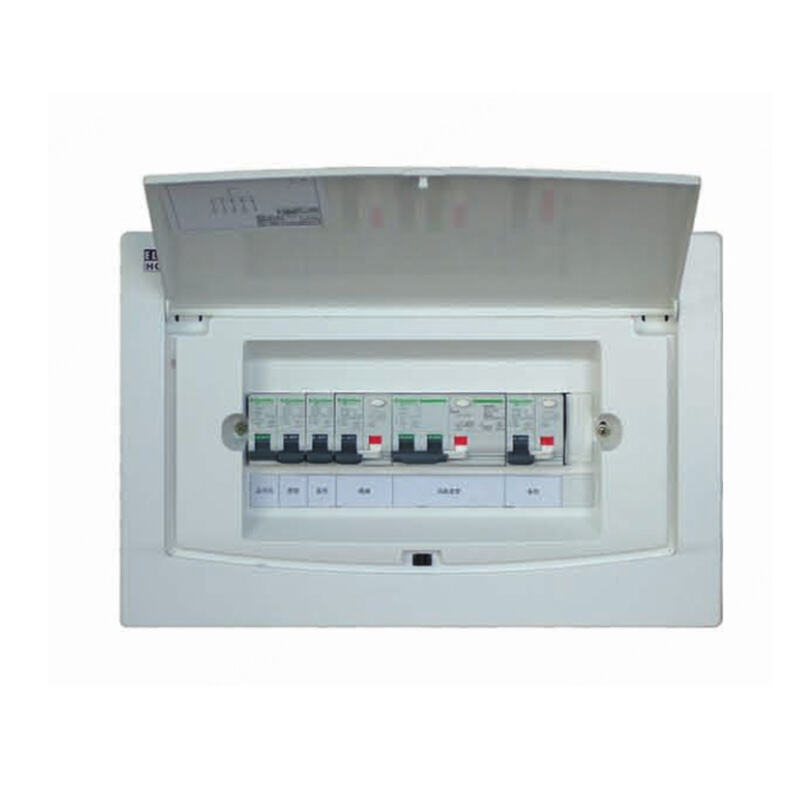
Protocol Selection: Cloud Telemetry Using MQTT vs Local SCADA Interoperability Using Modbus RTU
The selection of protocols involves balancing contemporary use of cloud technology with legacy industrial control systems:
Protocols Direction of Data Flow Typical Latency Best Application
MQTT Publish-Subscribe <100ms Cloud analytics, mobile alerts and dashboards
Modbus RTU Master-Slave 1-100ms Deterministic local SCADA control and integration
MQTT uses minimal bandwidth, enabling scalable telemetry and making it suited for centralized visualization and threshold alerts. In contrast, Modbus RTU is able to predict and provide communication with low overhead to industrial controllers without adding gateway complexity. In hybrid systems, protocol translators integrate both systems by Modelling dispatch overload alerts via MQTT and Modbus to synchronize control commands.
Streamlined Remote Monitoring Process: Data Transfer to Insight Processing
Data Stream Capture, Safe Storage, Analysis, and Visualization on the Cloud
Smart circuit breakers can transmit monitored current and voltage readings and tripping status events to their respective cloud servers through an encrypted, secure MQTT connection. The uploaded data is subject to real-time anomaly detection on cloud servers and results are presented in easy-to-read dashboards. Users can view their data on power consumption over time and the operational status of their monitored devices. The system also allows users to set custom thresholds for alarms. For example, usage alerts can be set to send SMS texts to users when usage exceeds 90%. With this feature engineers are empowered to take remote action and load shedding can be implemented to prevent load escalation during unplanned events. This approach is aimed at preventing the escalation of minor system issues to major, multi-failure catastrophic system problems.
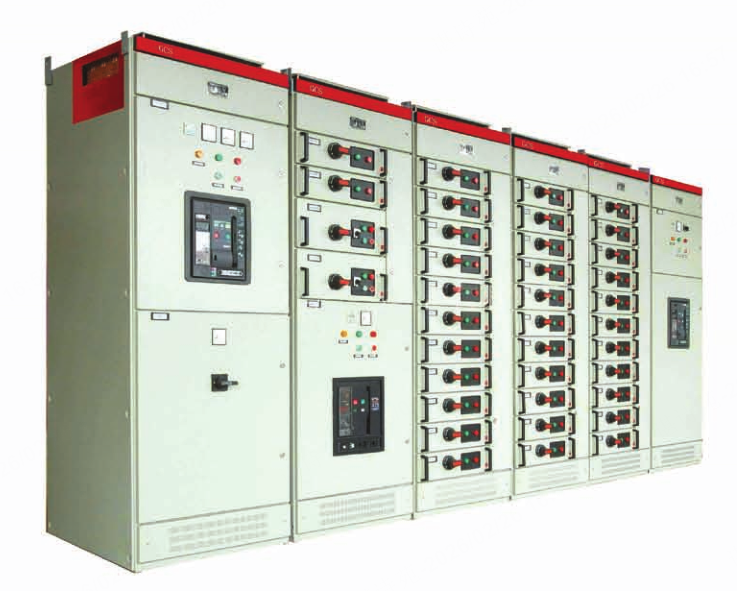
Facilitating Grid Longevity and Predictive Maintenance by Analyzing Past Trends
When analytics in the cloud use machine learning to analyze historical performance data, they are able to detect even the most minute indicators of equipment deterioration prior to something failing. Think of increasing arc faults, or insulation resistance with potential issues in the next three to six weeks. Predictive insights are becoming more commonplace in the literature of power companies as they formulate more predictive maintenance plans. Utility operations as a whole have reported a 40% reduction in unexpected power outages as a direct result of the predictive maintenance strategies implemented. From an infrastructure investment perspective, the long-term trend analysis aids the decision-making process. Utility companies can avoid a “spread-burn” approach to investment in infrastructure by strengthening the most challenged areas of their grid during peak demand and low voltage periods.
FAQ Section
What is the sensing layer in IoT circuit breakers?
The sensing layer consists of sensors that monitor electrical parameters, including current, voltage, and temperature, and help detect arc faults and the wearing of insulation.
How does the edge intelligence layer improve response times?
The edge intelligence layer processes data on the device itself, which means that response times can be under 2 milliseconds for emergencies and there is less reliance on cloud response times.
Why are MQTT and Modbus RTU protocols relevant for IoT circuit breakers?
Modbus RTU ensures integration and data flow with local SCADA systems while MQTT provides cloud telemetry with rapid latency for efficient data transmission.
How does predictive analytics help in building resilient grid infrastructure?
Predictive analytics improves infrastructure investments and maintenance routing by analyzing historical data and potential failure occurrences in the equipment, thereby preventing unforeseen power outages.