 EN

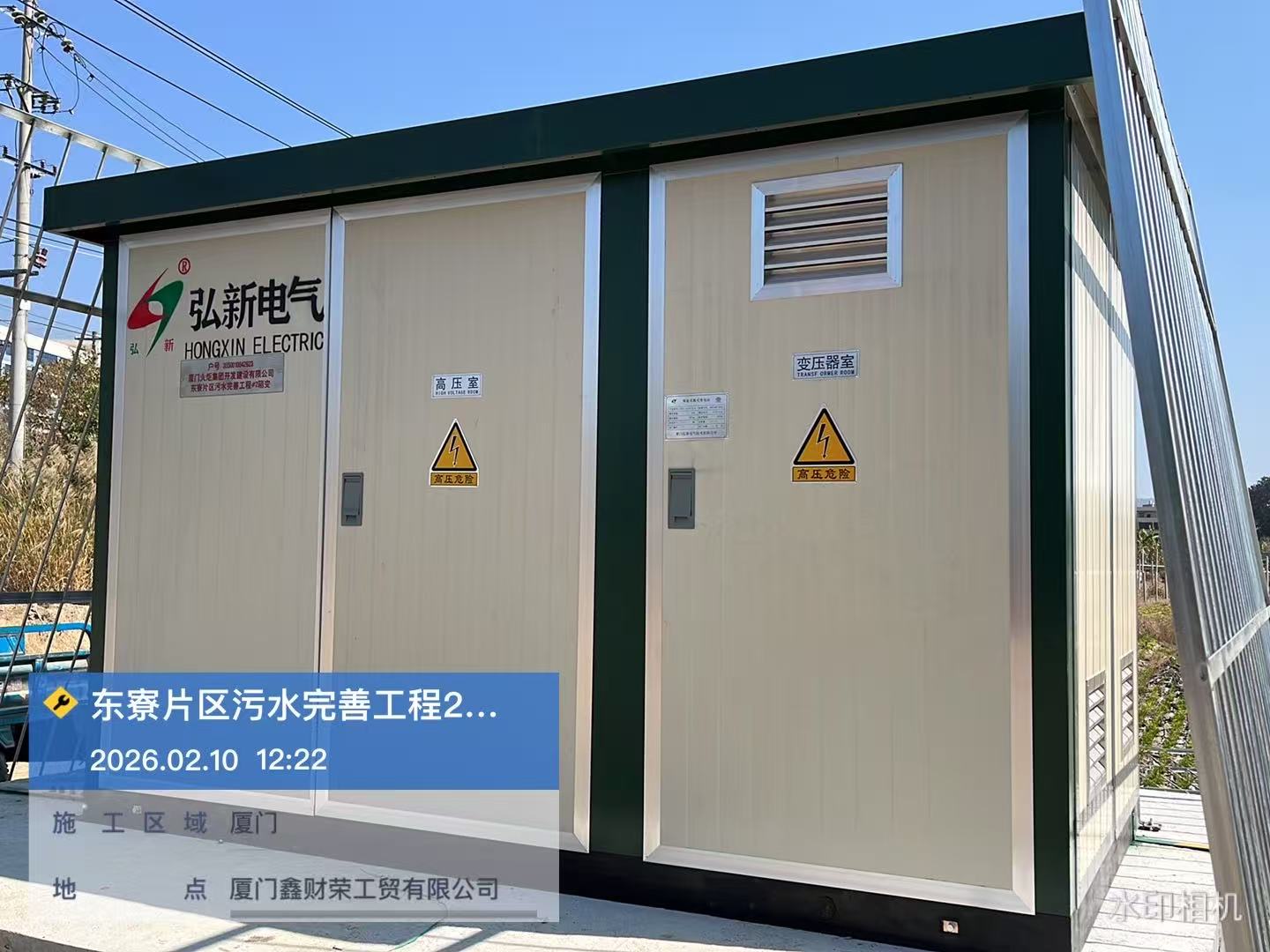
Can a compact substation really survive harsh outdoor duty?
Field results answer this better than brochures. A communications operator needed reliable power at coastal base stations where salt spray and humidity never let up. The team at Hongxin Intelligent Technology supplied a packaged solution built around a compact substation rated for that exposure. The units ran through typhoon-season storms with no switchgear failure. That project is why the question "can a compact substation survive outside" deserves a field answer, not a sales one.
A compact substation combines the transformer, high-voltage switchgear, and low-voltage distribution inside one factory-built enclosure. Because it ships pre-assembled, it skips much of the civil work an open-air substation needs. The trade-off is that everything lives in one weather-exposed shell, so the enclosure carries the burden of survival. Choosing a compact substation for outdoor duty means trusting that shell first, then the components inside it.
A modern compact substation is engineered for exactly this duty, but only when the spec matches the site. The same model that thrives inland can fail at the coast if the coating and sealing are wrong. That is why a compact substation must be selected against the actual environment, not a generic catalogue line. The enclosure, the cooling, and the internal controls all move together.
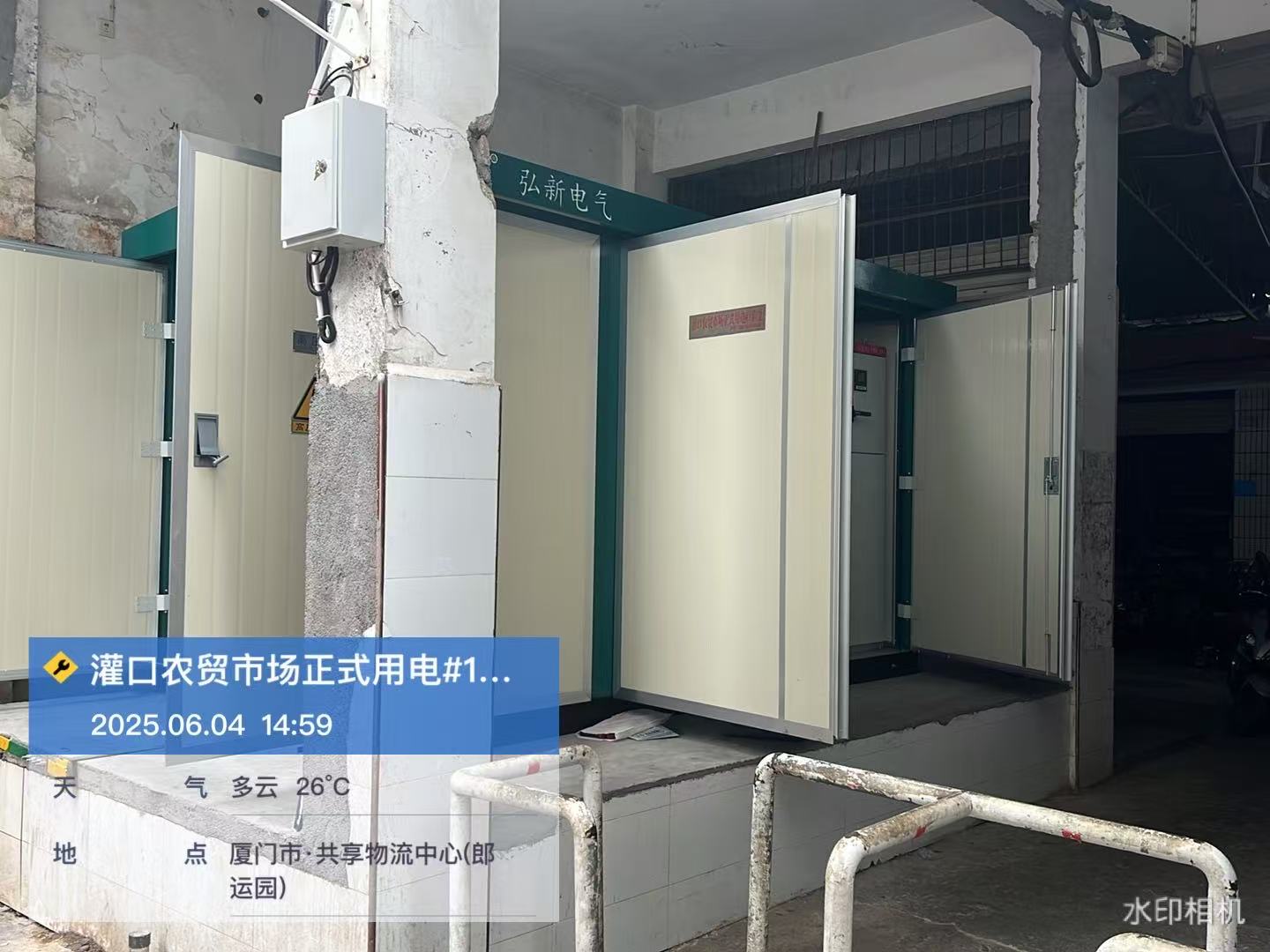
Field cases: coastal stations, rail, and campus renovations
The communications-base-station renovation showed what actually fails. Stations sat a few hundred meters from the sea. An earlier air-insulated setup had corroded busbars and seized mechanisms within two years. The replacement compact substation used stainless hardware, tropicalized relays, and a sealed enclosure with controlled ventilation. A compact substation in that location also gained condensation sensors that switched heater-fans on before moisture settled on insulation.
A rail-transit and EMU station renovation needed intelligent monitoring of fire-protection power through summer heat and winter cold. A low-carbon campus energy-consumption renovation placed a compact substation outdoors beside a teaching building for several seasons while the energy-management platform logged load and temperature. Each case confirms that a compact substation performs when the enclosure and controls match the site, not when the nameplate alone looks right.
What breaks first when environments turn hostile
Most failures follow a repeatable pattern. Learning that pattern helps specify the right compact substation before purchase instead of after a breakdown. The compact substation that survives is almost always the one planned for its climate, because the failure modes are predictable and tied to the local conditions.
Salt, humidity, and the corrosion chain
Salt air lays a conductive film on every metal surface. Once moisture joins, galvanic corrosion starts at fasteners, hinges, and cable glands. A compact substation near the coast without proper coating shows rust at seams within one wet season. Corrosion then reaches busbar supports and door seals, letting more water in. A compact substation in this loop declines fast unless enclosure, hardware, and internal heating are specified as one system. Before buying a compact substation for a marine site, confirm the coating class and stainless grade.
Heat, cold, and altitude: the thermal and insulation load
Desert sites push internal temperature up. A compact substation in direct sun can reach internal air well above ambient, stressing insulation and shortening transformer life. At the other end, sub-zero cold stiffens lubricants and brittles seals. High altitude lowers air density, cutting the cooling and dielectric strength of air gaps, so clearances proven at sea level need review. A compact substation must be built for the specific climate band it will serve. A compact substation rated for tropical heat needs different cooling than one rated for alpine cold.
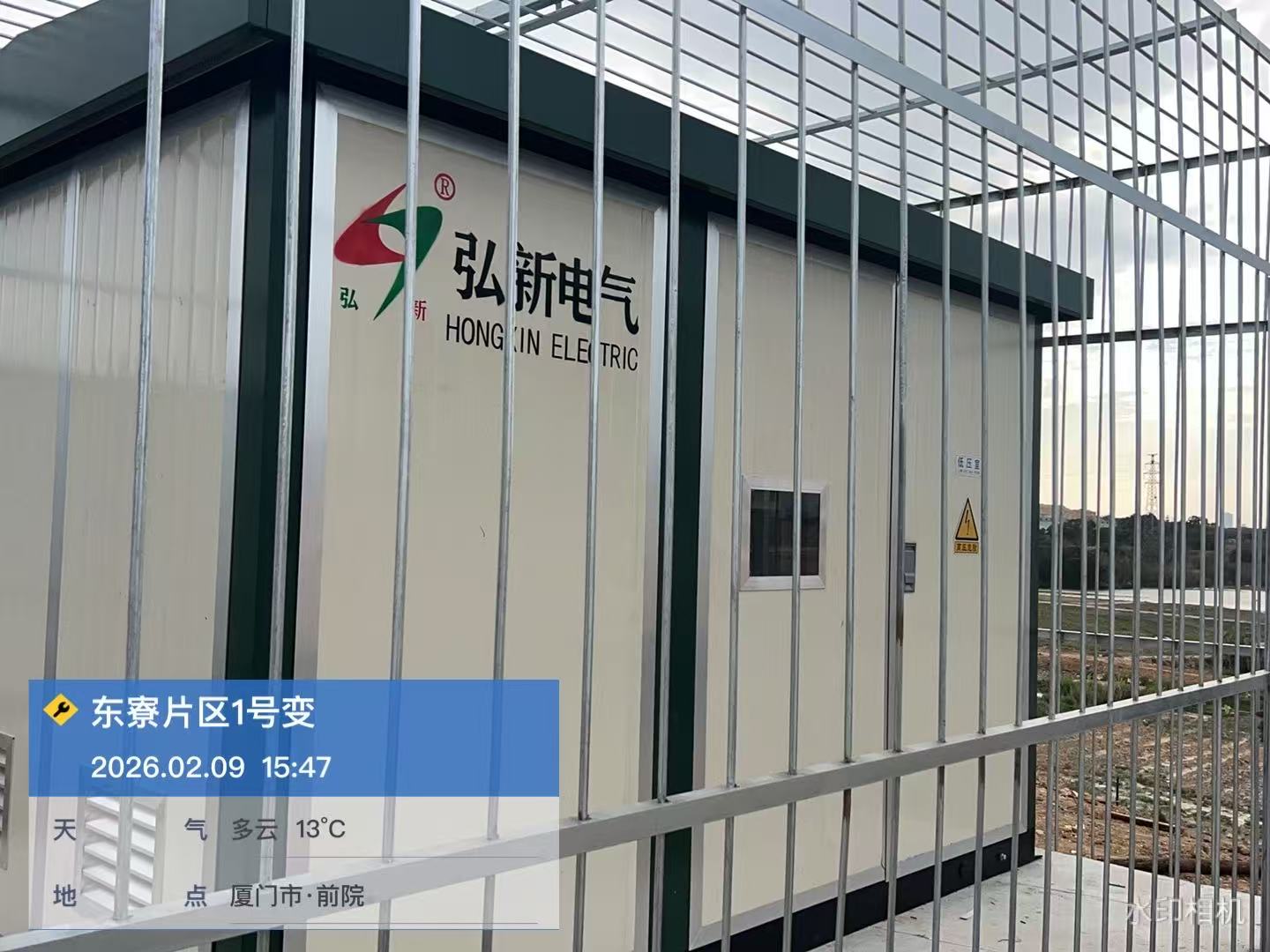
Dust, sand, and ingress you cannot see
Fine dust slips through the smallest gaps. A compact substation on a mining or arid site gathers abrasive particles on contacts and fans. Sandstorms drive grit past weak seals, and the damage appears only when a breaker fails to trip. Ingress stays silent until it is costly, which is why a compact substation needs sealed joints and filtered ventilation rather than open louvers. A compact substation rated IP5x with filtered airflow resists this failure far better than a lightly sealed unit.
What the standards actually require for outdoor duty
Engineers do not guess. Published standards define how a factory-built unit should be built and tested for outdoor service, and they give buyers a way to verify a compact substation before it ships. A compact substation built to the right standard is far easier to trust in the field, because the tests are repeatable and independent of any single supplier claim.
Enclosure ratings that decide survivability
IEC 60529 defines the IP code. A compact substation for outdoor use commonly needs IP43 at minimum for the switchgear compartment, IP54 or better where dust and spray are severe, and up to IP56 on exposed ventilation paths. In North America, NEMA 250 sets enclosure types; NEMA 3R handles rain and ice, while NEMA 4X adds corrosion resistance for coastal or chemical sites. Matching the rating to the site is the first decision a compact substation buyer should make, and the rating should appear on the datasheet, not just in the proposal.
The standards that define a factory-built substation
IEC 62271-202 covers factory-built (prefabricated) substations, including combined transformer and switchgear units, and sets mechanical, dielectric, and environmental expectations. IEEE C57.12.28 and C57.12.29 address pad-mounted enclosure integrity and bushings. IEC 60068 provides environmental testing for temperature, humidity, and salt mist. Together these let a buyer confirm that a compact substation was tested, not merely claimed, for outdoor duty. ISO 9001 adds manufacturing-control evidence behind the build. The compact substation that carries this paper trail is the safer procurement choice.
How to specify and maintain a compact substation that lasts
Selection and upkeep decide whether the equipment reaches its design life. The steps below turn the analysis above into action for any compact substation project.
A short selection checklist
Begin with the site profile: distance to coast, annual temperature range, altitude, and dust load. Pick enclosure protection to match. Often IP54 or NEMA 4X suits corrosive sites. Confirm the compact substation meets IEC 62271-202 or the relevant IEEE and NEMA evidence. Specify tropicalization, space heaters with humidity control, and stainless external hardware. Review the transformer cooling class for local ambient, and size the compact substation for the real load plus margin. A compact substation built to this checklist stands a far better chance outdoors. The ZBW combined substation line and complete-sets engineering from Hongxin Intelligent Technology target these duties; details appear on the ZBW Combined Substation and Complete Sets pages.
Inspection and maintenance that prevent failures
Plan a quarterly walk-around: check door seals, drain holes, and coating at seams. Confirm space heaters and dehumidifiers engage below the set humidity. Clean filters and verify ventilation fans run. For coastal sites, wash salt from the enclosure and re-treat scratched paint. A compact substation given this care usually avoids the failure modes listed earlier. A compact substation in a coastal or desert site benefits from more frequent checks than one in a mild climate. The manufacturer background, including 24 years of power-industry experience and full-lifecycle support, is summarized on the About us page. A well-specified compact substation plus routine checks is the realistic path to long outdoor service.
Frequently Asked Questions
Question: Can a compact substation be installed near the sea?
Answer: Yes, provided the enclosure and hardware are specified for a corrosive atmosphere. A compact substation within a few hundred meters of the coast should use stainless fasteners, tropicalized controls, and at least an IP54 or NEMA 4X shell, plus internal heating to defeat condensation. Coastal communications base stations have run this way through typhoon seasons. The key is matching protection to the salt load rather than using a standard indoor rating outdoors.
Question: What IP rating does a compact substation need outdoors?
Answer: For outdoor duty a compact substation commonly needs IP43 at minimum for the switchgear compartment, rising to IP54 or IP56 where dust and spray are severe. In North America, NEMA 3R covers rain and ice, while NEMA 4X adds corrosion resistance for chemical or coastal sites. The chosen rating should appear on the datasheet and match the site profile. A higher rating is not automatic insurance; sealing, coatings, and ventilation must be designed as one system.
Question: How does high altitude affect a compact substation?
Answer: High altitude lowers air density, which reduces both cooling effectiveness and the dielectric strength of air insulation gaps. A compact substation proven at sea level may need reviewed clearances and derated transformer loading above roughly 1000 m, with further correction as elevation climbs. Manufacturers usually publish altitude derating curves for the specific unit. Specifying against the real site elevation prevents overheating and partial discharge that would not appear in lowland testing.
Question: What maintenance does an outdoor compact substation need?
Answer: Plan a quarterly walk-around covering door seals, drain holes, and coating at seams, plus confirmation that space heaters and dehumidifiers engage below the set humidity. Clean filters and verify ventilation fans run. Coastal and desert sites warrant more frequent checks because salt and dust accumulate faster. A compact substation given this basic care typically avoids the corrosion, condensation, and ingress failures that shorten service life in harsh locations.
Question: Which standards apply to a factory-built compact substation?
Answer: The core reference is IEC 62271-202 for factory-built (prefabricated) substations, covering mechanical, dielectric, and environmental requirements. IEC 60529 defines the IP enclosure code, while IEC 60068 provides environmental test methods for temperature, humidity, and salt mist. In North America, IEEE C57.12.28 and C57.12.29 address pad-mounted enclosure integrity, and NEMA 250 defines enclosure types. ISO 9001 supports manufacturing control behind the build.
Question: Can a compact substation handle desert heat and freezing cold?
Answer: Yes. A compact substation can serve both desert heat and freezing cold when built for the climate band. Direct sun drives internal temperature well above ambient, so tropicalized cooling and proper transformer class matter; sub-zero cold needs heaters, flexible seals, and lubricants rated for low temperature. The same shell will not suit both extremes without the right options, so the thermal specification must reflect the local annual range, not an average.