 EN
EN

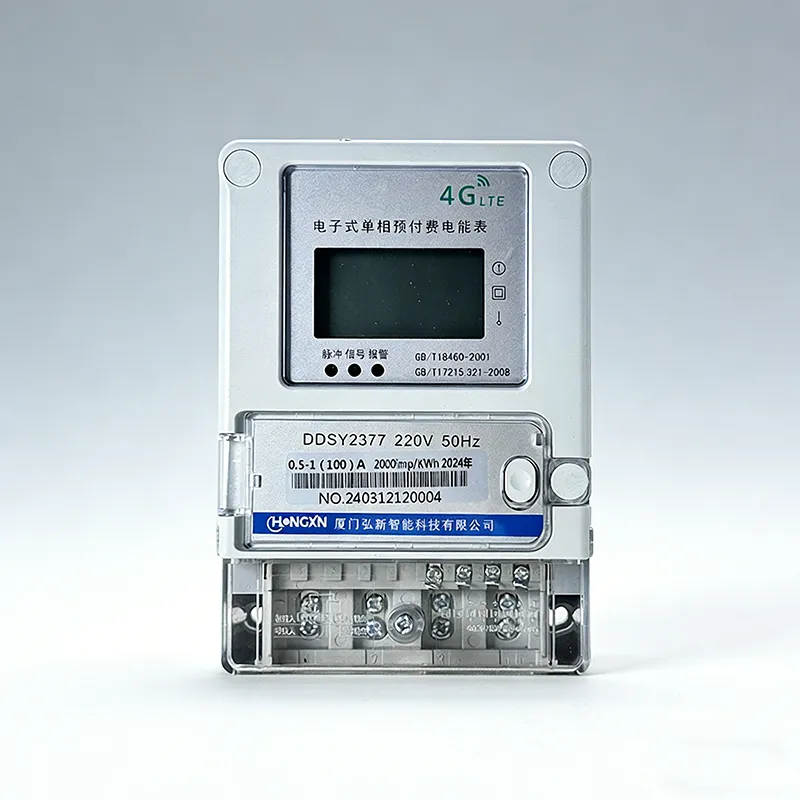
Analyzing energy data to implement changes saves Smart Money on Electricity.
IoT smart meters control power consumption unit operations to ensure energy efficiency
Smart meters can monitor energy consumption granular at a process level that operates every 15 minutes, for a home, office, or a whole factory. Manufacturers can put real time energy pricing, to move operational energy intensive tasks, optimizing time, at a lower cost. According to U.S. Department of Energy, a Smart Grid Benefit Report waWasted energy can be reduced by 12 to 18%. During times of low factory activity it is these same self-regulating systems that make adjustments to remove unnecessary operations, all while preserving product quality, and leaving operations smooth, and without interruptions.
EMS Driving ESG Compliance & Decarbonization
Energy management systems (EMS) help companies focus on sustainability by converting real-time consumption data into action. They automate the tracking of carbon emissions, evaluate performance against standards like ISO 50001, and strategize the best methods to integrate renewable energy sources. A report just released by EnergyCAP (2023 EMS Benchmark Study) shows that buildings that have these systems in place save an average of 7.5% on their utility bills annually. EMS simplifies ESG reporting, reduces Scope 2 emissions, and enables decarbonization. Their ability to integrate with local storage and respond to grid demand reduces reliance on backup fossil fuel generators during demand spikes. This unique attribute enhances operational reliability while fostering a lower carbon future.
Predictive Intelligence Applied to Smart Electric Systems Using Data Analytics & AI
Predictive AI Technologies to Reduce Downtime in Industrial Power Systems
Modern machine learning systems analyze real-time sensor data from components in the power system, such as transformers and circuit breakers. These algorithms can identify problems in their incipient stages, such as minor insulation wear or abnormal vibrations, months before an actual breakdown occurs. This preemptive capability allows companies to schedule maintenance before the unexpected occurs. Research suggests this methodology has the potential to cut unexpected downtime in half and reduce repair costs by 20% to 30%. When engineers perform continuous monitoring of stress, the operational adjustments to the equipment can improve the longevity of the equipment. Repairs that formerly relied on good fortune evolve into intelligent predictions based on well-crafted data heuristics.
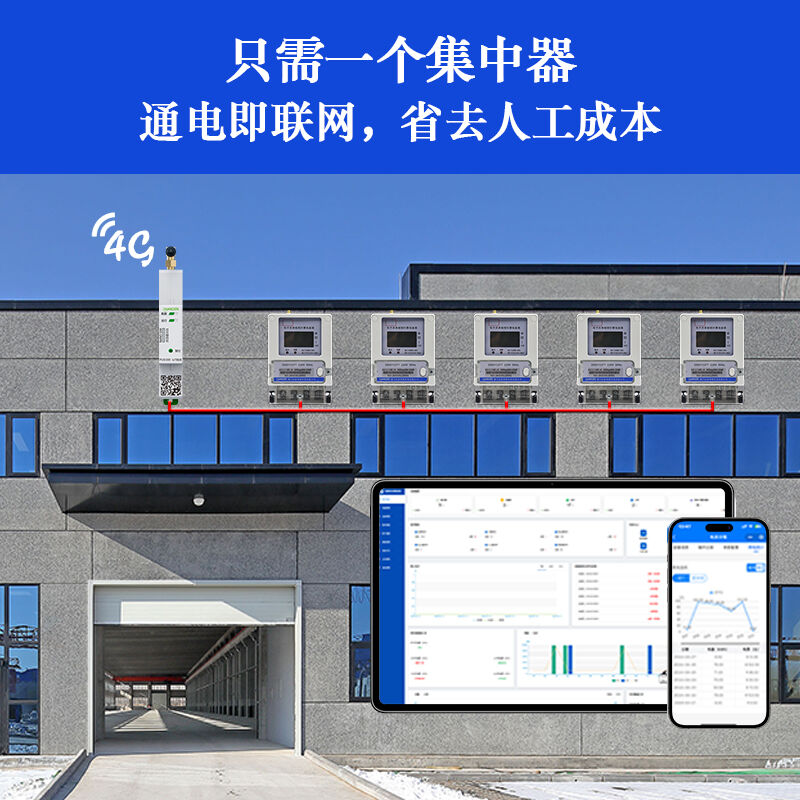
Analytics in real time assist in forecasting loads, responding to demand, and optimizing grid performance.
Forecasted load at a high degree of precision is made possible by analytical mechanisms that use data from smart meters, weather stations, and production systems at 5-minute intervals. This precision enables three functions:
Automated load shifting based on real-time pricing to avoid peak demand charge
Proactive smoothing of renewables integration by forecasting wind/solar output
Optimizing voltage and reactive power in the distribution grid to reduce transmission losses
At the same time, grid elasticity is enhanced by allowing the facility to dynamically control non-critical loads in real time during high stress situations, which is made possible by modern smart electricity systems. Overall, this leads to energy cost savings in the range of 10–15% while improving grid stability.
The integration of smart electricity assists in the strengthening of resilience, the integration of distributed energy, and renewables.
Strengthening the Energy Resilience of Industry through Microgrids and Distributed Energy
Intelligent control systems that integrate batteries and solar arrays into industrial microgrids provide energy resilience by being able to operate independently from the grid. In such situations, these systems can operate autonomously and avoid costly disruptions to the production processes. Businesses that deploy this kind of technology have seen significant reductions in routine operational losses from power outages. According to the Ponemon Institute 2023 study on data center outages, factories have seen 92% fewer losses. Once disconnected, the microgrid's controllers utilize built-in predictive analytics to preemptively avoid failure. This is important because a 15-minute power outage can lead to significant operational losses.
The integration of smart electricity controls and storage systems has facilitated the seamless adoption of renewable energy.
The challenge of the intermittent nature of renewables has already been partly solved by the smart EMS that manages all real-time solar and wind generation, battery, and load resources. An algorithm moves non-time-critical processes during periods of abundant solar and wind, and stores energy for later use. This solution increases the actual use of renewable energy by approximately 40 percent. Some manufacturing sites have achieved over 80% renewable energy supply through these systems while maintaining a stable operation of the electrical system within the narrow bounds of ± 0.5 Hz. Modern batteries provide rapid response for grid support, and two-way power flow, among sites and the main grid. This two-way power flow capability enables aggressive decarbonization and modernization of the many segments of the power systems.
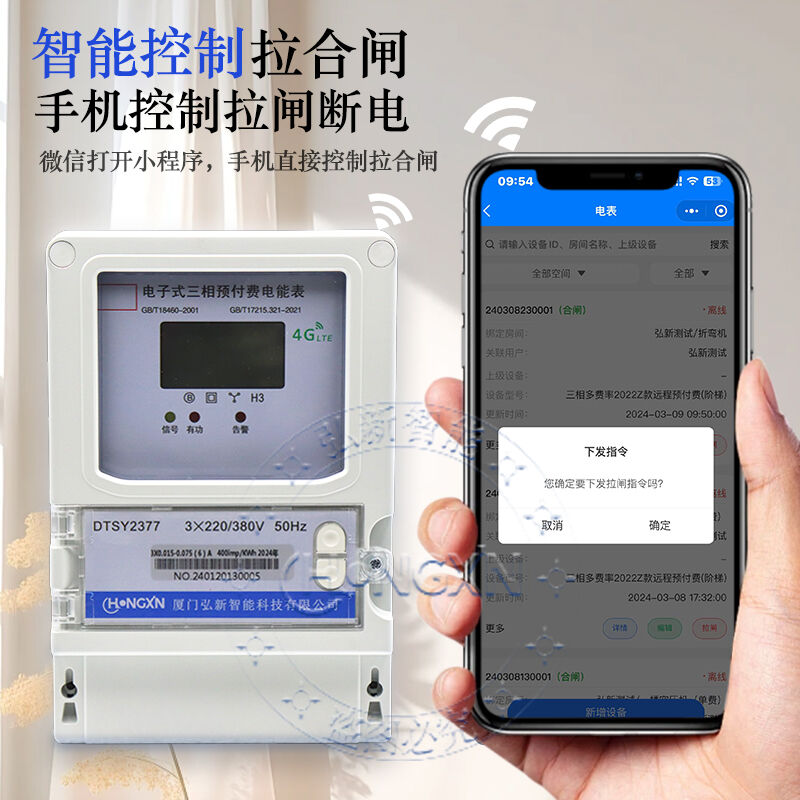
Capability Impact
Renewable-Battery Synchronization Enables >70% solar/wind utilization in industrial settings
Dynamic Load Shifting Reduces peak demand charges by 30% while optimizing green energy consumption
Grid-Frequency Stabilization Maintains ±0.5Hz stability during renewable intermittency
FAQ Section
What are smart meters, and how do they help reduce energy costs?
Smart meters are devices connected through the Internet of Things (IoT) that provide power use data for industrial systems over defined time periods. Based on real-time pricing data, they are able to shift energy consuming processes to time periods that are less costly, which reduces energy costs and minimizes wasted electricity.
What are the Energy Management Systems (EMS) and how do they contribute to the sustainability of a company?
EMS records the real-time consumption data and develops sustainability initiatives in an organized manner. They automate the carbon tracking, help in the compliance of the standards in ISO 50001, help optimize the savings of costs and reducing carbon emissions when renewables are added, and facilitate the carbon tracking.
What is the role of Artificial Intelligence (AI) in the smart power systems?
AI systems enable predictive maintenance since they analyze the real-time sensor readings of the power systems and diagnose the problems in advance, which leads to the reduction of the unexpected downtime and the cut in the maintenance costs.
In what available mechanisms do microgrids increase the industrial energy resilience?
Microgrids enable the businesses to be economically autonomous, because they are able to act as an independent power source during the outages, with the help of the solar systems and control systems, thus preventing the power interruptions.