 EN
EN

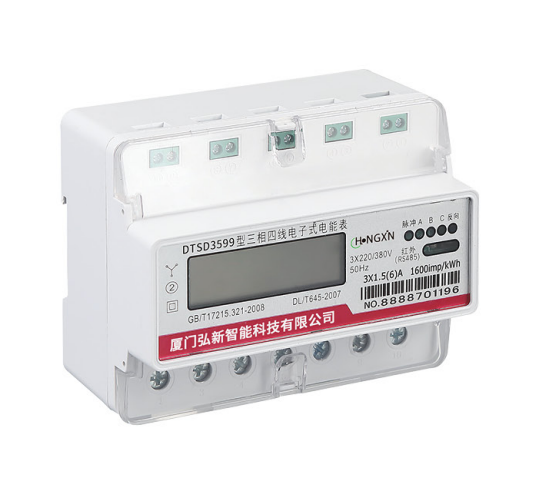
ຂໍ້ມູນຄວາມແມ່ນຍໍາສູງ ແລະ ການຕິດຕາມພະລັງງານໃນເວລາຈິງ
ການວັດແທກທີ່ມີຄວາມຖືກຕ້ອງພາຍໃນເວລາໜຶ່ງຊົ່ວໂມງ ແລະ ການວິເຄາະທີ່ເຊື່ອມຕໍ່ກັບອິນເຕີເນັດຂອງສິ່ງທີ່ເຊື່ອມຕໍ່ (IoT) ໃນມີເtເtເຣີ່ອັຈເລັກໂຕຣນິກ (smart meters) ນຳເອົາຄວາມຖືກຕ້ອງໃນການວັດແທກທີ່ມີຄວາມຖີ່ສູງກວ່າເຖິງທຸກໆຊົ່ວໂມງ ມາສູ່ການຈັດການພະລັງງານ ໂດຍການບັນທຶກການບໍລິໂພກພະລັງງານໃນໄລຍະເວລາສັ້ນທີ່ສຸດຄື 15 ນາທີ. ດ້ວຍຄວາມຖືກຕ້ອງໃນການວັດແທກນີ້ ມີເtເtເຣີ່ອັຈເລັກໂຕຣນິກ (smart meters) ສາມາດກຳນົດຄວາມຕ້ອງການສູງສຸດ (peak demand) ແລະ ໃຫ້ຂໍ້ມູນເພື່ອລາຍງານຄວາມຜິດປົກກະຕິ. ຂໍ້ມູນນີ້ສາມາດນຳໄປໃຊ້ເພື່ອສະເໜີແນວທາງການດຳເນີນການເພື່ອຊ່ວຍຈັດສົ່ງພະລັງງານໃນເຄືອຂ່າຍໄຟຟ້າ. ຍິ່ງໄປກວ່ານັ້ນ ຜູ້ບໍລິໂພກຍັງສາມາດຮັບຄວາມຊ່ວຍເຫຼືອຈາກການວິເຄາະຂອງມີເtເtເຣີ່ອັຈເລັກໂຕຣນິກ (smart meters) ເພື່ອດຶງເອົາຂໍ້ມູນທີ່ເປັນປະໂຫຍດ. ຕົວຢ່າງໜຶ່ງຂອງການລາຍງານນີ້ ແມ່ນການຊ່ວຍໃນການດຳເນີນການບໍາຮຸງຮັກສາລ່ວງໆ ສຳລັບລະບົບເຄື່ອງປັບອາກາດ ໂດຍການຊີ້ບອກຄວາມຜິດປົກກະຕິທີ່ເກີດຂື້ນຈາກການເພີ່ມຂື້ນຂອງການບໍລິໂພກພະລັງງານເຖິງ 40% ໃນໄລຍະເວລາກາງຄືນທີ່ກຳນົດໄວ້.
ການວັດແທກທີ່ມີຄວາມຖືກຕ້ອງດ້ວຍໄລຍະເວລາທີ່ສັ້ນກວ່າເຖິງທຸກໆຊົ່ວໂມງ ແລະ ການວິເຄາະທີ່ເຊື່ອມຕໍ່ກັບອິນເຕີເນັດຂອງສິ່ງທີ່ເຊື່ອມຕໍ່ (IoT)
ວັດແທກການບໍລິໂພກພະລັງງານທຸກໆ 15 ນາທີ ເພື່ອສັງເກດການສູນເສຍ ແລະ ຄວາມບໍ່ມີປະສິດທິພາບອື່ນໆທີ່ກ່ຽວຂ້ອງກັບການບໍລິໂພກພະລັງງານໃນສະຖານະການທີ່ຢູ່ໃນສະຖານະພາບພ້ອມໃຊ້ງານ (standby) ແລະ ພ້ອມໃຊ້ງານທັນທີ (ready for use).
ໃຊ້ອັລກີຣີດີມທີ່ເຮັດການຮຽນຮູ້ຂອງເຄື່ອງຈັກແບບທຳນາຍເພື່ອຄວາມຕ້ອງການທີ່ເພີ່ມຂຶ້ນຢ່າງທັນທີ ແລະ ການຈັດການເຄືອຂ່າຍໄຟຟ້າຢ່າງເປັນກິດຈະກຳ.
ເປີດໃຫ້ເຄື່ອງມືເຄື່ອງມືເກັບຂໍ້ມູນ (cloud) ສາມາດສະເໜີຂໍ້ມູນ ແລະ ຮັບຂໍ້ມູນເຂົ້າເຖິງຄວາມເຂົ້າໃຈທີ່ເກີດຂຶ້ນໃນເວລາຈິງ. ເຄື່ອງມືເຄື່ອງມືເກັບຂໍ້ມູນ (cloud) ຍັງເປັນທີ່ຕັ້ງຂອງແຜງຄວບຄຸມ (dashboards) ທີ່ໃຫ້ຄຳແນະນຳໃນເວລາຈິງສຳລັບການດຳເນີນການທີ່ຕ້ອງການ.
ເຄື່ອງມືເຄື່ອງມືເກັບຂໍ້ມູນ (cloud) ໃຫ້ການເຂົ້າເຖິງທັນທີ ເພື່ອຫຼຸດຜ່ອນການສູນເສຍແລະຄວາມເສຍຫາຍຕໍ່ລະບົບຈາກການຮັ່ວໄຟຟ້າ.
ບັນລຸມາດຕະຖານ ANSI C12.20 Class 0.5 ແລະ ມາດຕະຖານສຳລັບເຄື່ອງວັດແທກຫຼາຍໆໜ້າທີ່ຂັ້ນສູງ
ການຮັບຮອງໃບຢືນ ANSI C12.20 class 0.5 ຮັກສາຄວາມຜິດພາດໃນການວັດແທກໄວ້ຕ່ຳກວ່າ 0.5%. ການວັດແທກນີ້ຊ່ວຍຮັບປະກັນຄວາມຖືກຕ້ອງຂອງການຄິດໄລ່ຄ່າໄຟຟ້າ ແລະ ຊ່ວຍໃນການປະຕິບັດຕາມກົດໝາຍ. ນອກຈາກມາດຕະຖານຕ່ຳສຸດແລ້ວ, ເຄື່ອງວັດແທກຂັ້ນສູງຍັງສະເໜີບໍລິການຫຼາຍດ້ານຂອງເຄືອຂ່າຍໄຟຟ້າຢ່າງຄົບຖ້ວນ ແລະ ຍັງມີປະໂຫຍດໃນການນຳໃຊ້ໃນບ່ອນຕ່າງໆ, ຈາກການສົ່ງຄືນພະລັງງານໄຟຟ້າຈາກແຖບສູງສຸດໃນບ້ານ ໄປຈົນເຖິງການເລີ່ມຕົ້ນເຄື່ອງຈັກໃນອຸດສາຫະກຳ.
ປະໂຫຍດດ້ານຄວາມສາມາດ
ການຕິດຕາມຄວາມເບື່ອນຮູບແບບຮາມໂມນິກ (harmonic distortion): ລະດັບທີ່ສູງ (>3% THD) ຂອງຄວາມເບື່ອນຮູບແບບຮາມໂມນິກຈາກອຸປະກອນອຸດສາຫະກຳອາດເປັນສັນຍານຂອງຄວາມບໍ່ສະຖຽນຂອງເຄືອຂ່າຍໄຟຟ້າ.
ການຕິດຕາມຄວາມບໍ່ສົມດຸນຂອງຄ່າແຕກຕ່າງສະຫຼັບ (voltage imbalance) ຊ່ວຍປ້ອງກັນການເຜົາໄໝ້ຂອງມໍເຕີໃນສະຖານທີ່ເຮັດທຸລະກິດ.
ການສະໜັບສະໜູນບໍລິການປະໂຍດຫຼາຍດ້ານ ສະດວກສຳລັບການກຳນົດລາຄາທີ່ແຕກຕ່າງກັນຂອງບໍລິການ.
ການສື່ສານທີ່ສາມາດເຮັດໄດ້ທັງສອງທິດທາງ ແລະ ການສະໜັບສະໜູນເຄືອຂ່າຍໄຟຟ້າອັຈຈະລິຍະ (Smart Grid)
ການເຊື່ອມຕໍ່ທີ່ໃຊ້ເຕັກໂນໂລຢີ RF, PLC, ເຄືອຂ່າຍເຊີລູລາ (cellular), ແລະ ເຄືອຂ່າຍຄວາມໄວສູງ (broadband).
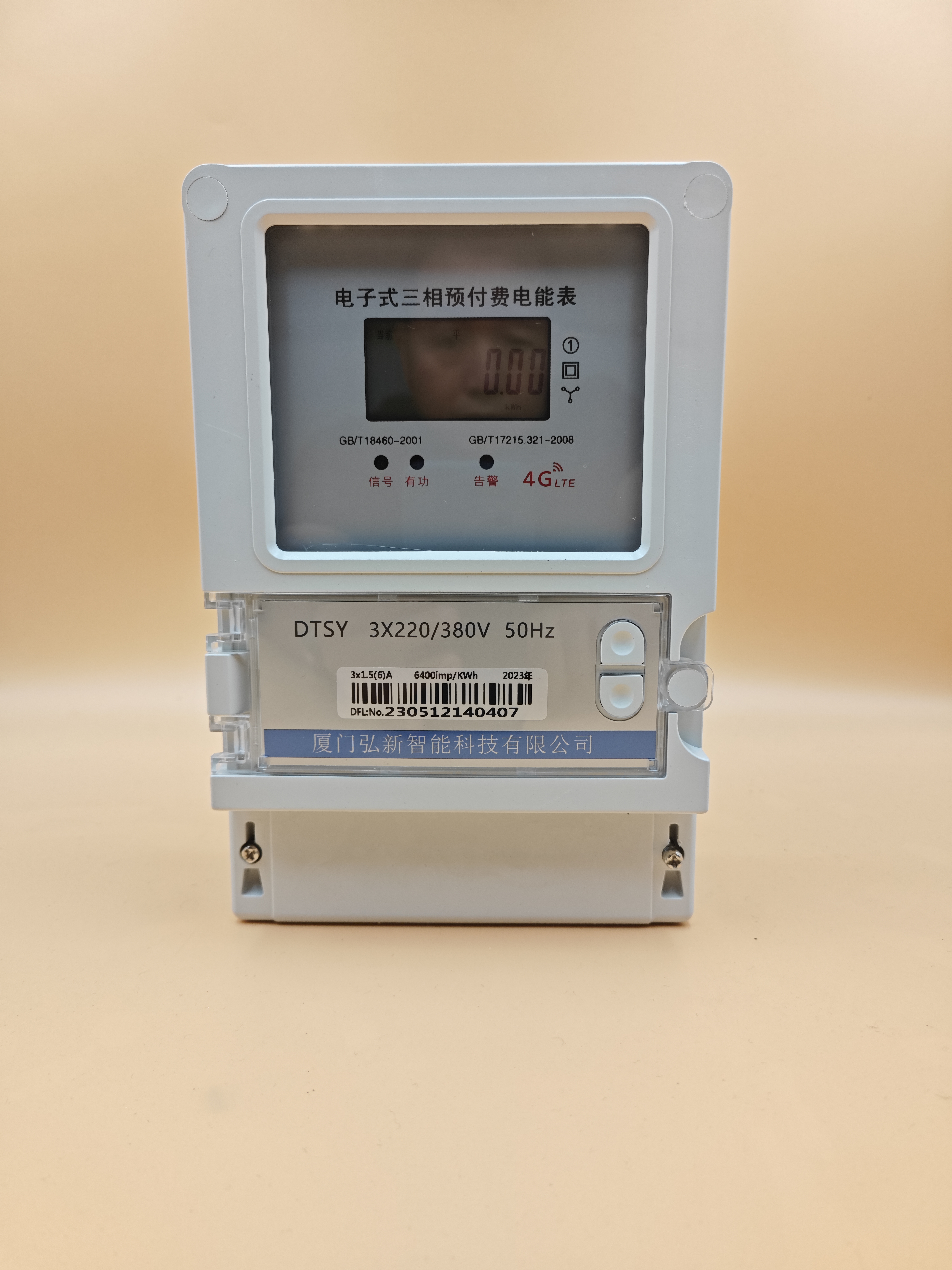
ມີເຕີອັຈຈະລິຍະທີ່ທັນສະໄໝໃຊ້ສາມາດເຮັດວຽກໄດ້ທັງໃນຕະຫຼາດສື່ສານທີ່ປະກອບດ້ວຍຫຼາຍເຕັກໂນໂລຢີ. ເຄືອຂ່າຍ RF mesh ໃຫ້ຄວາມຄຸມຄຸມໃນເຂດເມືອງ, PLC ໃຊ້ພາກສ່ວນຂອງເຄືອຂ່າຍໄຟຟ້າທີ່ມີຢູ່ແລ້ວ, ເຄືອຂ່າຍເຊີລູລາໃຫ້ຄວາມຄຸມຄຸມທີ່ເຊື່ອຖືໄດ້ໃນເຂດກວ້າງ, ແລະ ເຄືອຂ່າຍຄວາມໄວສູງ (broadband) ເຖິງແມ່ນຈະມີຄ່າໃຊ້ຈ່າຍສູງໃນການຄຸມຄຸມເຂດກວ້າງ ແຕ່ກໍໃຫ້ຂໍ້ມູນປ້ອນກັບຄືນ (feedback) ສຳລັບບໍລິການຫຼາຍດ້ານ. ຕະຫຼາດສື່ສານທີ່ຫຼາກຫຼາຍນີ້ສະໜັບສະໜູນການສົ່ງຜ່ານຂໍ້ມູນທີ່ສາມາດເຮັດໄດ້ທັງສອງທິດທາງ (bi-directional data flow) ສຳລັບ AMI, ຂໍ້ກຳນົດທີ່ຈຳເປັນ, ແລະ ຄວາມສາມາດໃນການປະຕິບັດລາຄາໃນເວລາຈິງ, ສົ່ງແລະຮັບຂໍ້ມູນປ້ອນກັບຄືນກ່ຽວກັບຂໍ້ເ Ange ຫຼັງເຫດການ (post-event offers) ເພື່ອຫຼຸດຜ່ອນການສູນເສຍ, ແລະ ປົດປ່ອຍຄວາມບໍ່ພໍເພີງດ້ວຍການສ້າງແຮງຕ້ານຄວາມຕ້ອງການ (demand resources) ແລະ ຊັບພະຍາກອນພະລັງງານທີ່ເກີດຂື້ນໃໝ່ (renewable energy resources).
ການຕິດຕາມຄຸນນະພາບພະລັງງານຢ່າງກວ້າງຂວາງ
ການວິເຄາະສຳລັບຄວາມຜິດປົກກະຕິຂອງຄວາມຖີ່, ຄວາມເບິ່ງແຕກຕ່າງຂອງຄວາມຕີ່ນ, ແລະ ການຈັບສັນຍານຄວາມເບິ່ງແຕກຕ່າງ (Flicker) ແລະ ສັນຍານຊົ່ວຄາວ (Transient)
ມີເຕີມເວີທີ່ມີປະສິດທິພາບສູງຂອງພວກເຮົາໃຫ້ຂໍ້ມູນກ່ຽວກັບຄຸນນະພາບຂອງຄວາມຕີ່ນໃນແຕ່ລະວົງຈອນ (sub-cycle), ເຊິ່ງຊ່ວຍໃຫ້ສາມາດວິເຄາະຄວາມຜິດປົກກະຕິຂອງຄວາມຖີ່ (harmonics) ແລະ ຄວາມຜິດປົກກະຕິທັງໝົດຂອງຄວາມຖີ່ (Total Harmonic Distortion - THD). ອີງຕາມມາດຕະຖານ IEEE-519, ຖ້າອັດຕາຄວາມຜິດປົກກະຕິຂອງຄວາມຖີ່ເກີນ 5% ຈະເຮັດໃຫ້ເກີດຄວາມລົ້ມເຫຼວຂອງມໍເຕີເພີ່ມຂຶ້ນ 18%, ແລະ ການສູນເສຍພະລັງງານໃນເຄື່ອງເທົາ (transformer) ເພີ່ມຂຶ້ນ 30%. ເຕີມເວີເຫຼົ່ານີ້ຍັງສາມາດວິເຄາະຄວາມບໍ່ສົມດຸນຂອງຄວາມຕີ່ນ (>2% ຄວາມເບິ່ງແຕກຕ່າງລະຫວ່າງເຟດ) ທີ່ເຮັດໃຫ້ມໍເຕີສາມເຟດຮ້ອນເກີນໄປ, ລົດລ້າງປະສິດທິພາບ, ແລະ ການປ່ຽນແປງຢ່າງໄວວາຂອງຄວາມຕີ່ນ (voltage flicker) (ການປ່ຽນແປງຢ່າງໄວວາໃນຊ່ວງ 0.5–7%) ແລະ ສັນຍານຊົ່ວຄາວ (transients) (ຄືສັນຍານທີ່ມີເວລາສັ້ນກວ່າ 100μs ແລະ ມີຄວາມຕີ່ນເກີນ 200% ຂອງຄວາມຕີ່ນທີ່ກຳນົດໄວ້) ລວມທັງຄວາມຕີ່ນຕ່ຳລົງ (voltage sags), ຄວາມຕີ່ນສູງຂຶ້ນ (voltage swells), ແລະ ສັນຍານຊົ່ວຄາວທີ່ບໍ່ສົມດຸນ. ຖ້າບໍ່ໄດ້ຮັບການປັບປຸງ, ສັນຍານຊົ່ວຄາວຈະເຮັດໃຫ້ວັດສະດຸຫຸ້ມຫໍ່ຂອງ PLCs ແລະ ມໍເຕີຂອງລະບົບຄວບຄຸມເສື່ອມສະພາບ, ແລະ ການປ່ຽນແປງຢ່າງໄວວາຂອງຄວາມຕີ່ນທີ່ເກີດຂຶ້ນຢ່າງຕໍ່ເນື່ອງຈະເຮັດໃຫ້ລະບົບ CNC ປິດລົງໂດຍອັດຕະໂນມັດ. ຄວາມສາມາດໃນການຕິດຕາມຮູບຮ່າງຂອງຄວາມຕີ່ນ ແລະ ຄ່າປະຈຸບັນຢ່າງຕໍ່ເນື່ອງຈະຊ່ວຍໃຫ້ບໍລິສັດຜູ້ສະໜອງພະລັງງານ:
ຕົວກະຈາຍຮູບແບບທີ່ເປັນກິດຈະກຳອາດຖືກນຳໃຊ້ເພື່ອຫຼຸດລົງ THD ຕ່ຳກວ່າ 1%.
ຄວາມບໍ່ສົມດຸນຂອງເຟືອງອາດຖືກປັບປຸງໄດ້ດ້ວຍການຈັດສົ່ງໂຫຼດໃໝ່.
ອຸປະກອນປ້ອງກັນຄວາມຜັນແປນອາດຖືກຕິດຕັ້ງເພື່ອກັ້ນການເກີດພະລັງງານຊົ່ວຄາວໄດ້ເຖິງ 90%.
ການປັບປຸງເປັນກິດຈະກຳລ່ວງໆ ອາດເຮັດໃຫ້ອາຍຸການໃຊ້ງານຂອງອຸປະກອນຍືນຍາວຂຶ້ນ ແລະ ຫຼຸດຜ່ອນການສູນເສຍພະລັງງານລົງ 15% ໃນໜຶ່ງປີ.
ການຕອບສະຫນອງຕາມຄວາມຕ້ອງການ ແລະ ການເປີດໃຊ້ອັດຕາທີ່ປ່ຽນແປງໄດ້
ສະໜັບສະໜູນການປັບອັດຕາຄ່າໃຊ້ຈ່າຍໃນເວລາທີ່ມີການໃຊ້ງານສູງສຸດ, ການຄືນເງິນໃນມື້ທີ່ມີການໃຊ້ງານສູງສຸດ, ແລະ ການບູລະນາການລະບົບ HVAC ອັດຈີວ (Smart HVAC Integration)
ມີເtີເດີ້ມອັດຈະອັດສະຈັນ (Smart meters) ແມ່ນບ່ອນປູກຖານທີ່ສຳຄັນສຳລັບໂປແກຣມຕອບສະຫນອງຄວາມຕ້ອງການ (demand response programs), ລວມທັງໂປແກຣມການກຳນົດລາຄາສູງສຸດທີ່ມີຄວາມສຳຄັນ (Critical Peak Pricing - CPP) ທີ່ໃຫ້ລາຄາທີ່ສູງຂຶ້ນແທນກັບການຫຼຸດຜ່ອນຄວາມຕ້ອງການໃນເວລາທີ່ເຄືອຂ່າຍໄຟຟ້າຢູ່ໃນສະພາບການເຄື່ອນໄຫວຫຼາຍ, ແລະໂປແກຣມການຄືນເງິນໃນວັນທີ່ມີການໃຊ້ໄຟສູງ (Peak Day Rebates - PDR) ທີ່ໃຫ້ເງິນຈູງໃຈທາງດ້ານການເງິນສຳລັບການຫຼຸດຜ່ອນຄວາມຕ້ອງການ. ລະບົບ HVAC ອັດຈະສະຈັນ (Smart HVAC systems) ສາມາດນຳໃຊ້ເພື່ອຮັກສາຄວາມສະດວກສະບາຍໃນບ່ອນໃຊ້ງານ, ເນື່ອງຈາກລະບົບເຫຼົ່ານີ້ສາມາດປັບຕັ້ງອຸປະກອນ HVAC ໂດຍອັດຕະໂນມັດດ້ວຍສັນຍານຈາກຜູ້ໃຫ້ບໍລິການໄຟຟ້າທີ່ອີງໃສ່ການຊື້ຂາຍທີ່ມີການປ່ຽນແປງຕາມເວລາຈິງ (transactive or real-time pricing signals) ເພື່ອຄວບຄຸມຄວາມສະດວກສະບາຍ, ຍ້າຍເວລາການໃຊ້ໄຟ, ແລະເຂົ້າຮ່ວມໂປແກຣມຕອບສະຫນອງຄວາມຕ້ອງການໂດຍບໍ່ເກີດຄວາມອົດທົນ. ໂປແກຣມເຫຼົ່ານີ້ເຮັດຢ່າງຕໍ່ເນື່ອງ ແລະ ໄດ້ຮັບການພິສູດແລ້ວວ່າສາມາດຫຼຸດຜ່ອນຄວາມຕ້ອງການສູງສຸດຂອງເຄືອຂ່າຍໄຟຟ້າໄດ້ຈົນເຖິງ 10-30%. ດັ່ງນັ້ນ, ການຍ້າຍເວລາການໃຊ້ໄຟຈະຊ່ວຍຮັກສາຄວາມສະຖຽນຂອງເຄືອຂ່າຍໄຟຟ້າ, ໃຫ້ຜູ້ເຂົ້າຮ່ວມໄດ້ຮັບການຈ່າຍເງິນສຳລັບການຫຼຸດຜ່ອນຄວາມຕ້ອງການສູງສຸດ ແລະ ເງິນຈູງໃຈ.
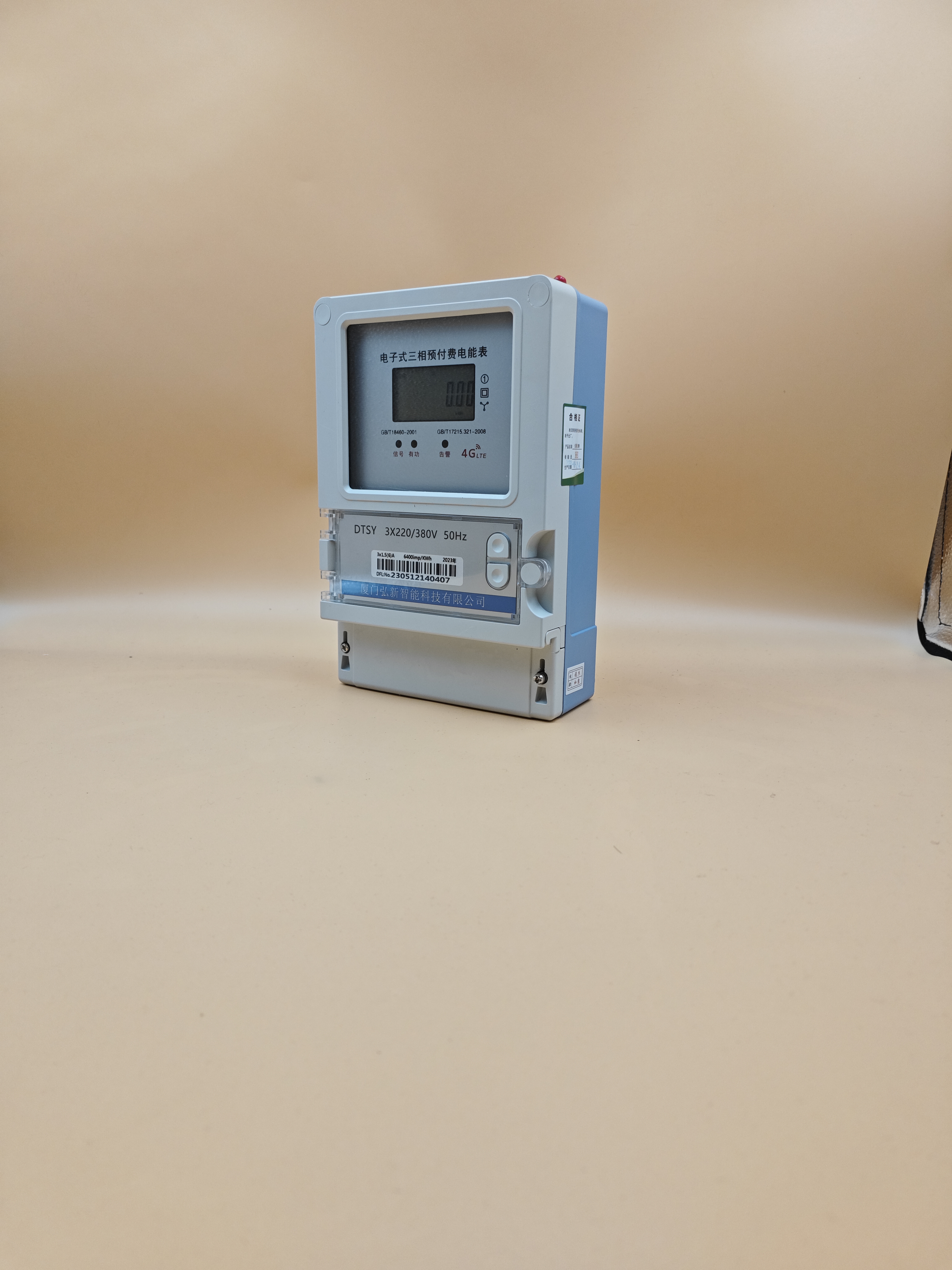
ຄຸນສົມບັດດ້ານຄວາມປອດໄພ, ຄວາມເປັນສ່ວນຕົວ, ແລະ ການມີສ່ວນຮ່ວມຂອງຜູ້ບໍລິໂພກທີ່ເຂັ້ມແຂງ
ການເຂົ້າລະຫັດຕັ້ງແຕ່ຕົ້ນຈົນສິ້ນສຸດ, ການເຂົ້າເຖິງທີ່ອີງໃສ່ບົດບາດ, ແລະ ວິທີການທີ່ພ້ອມສຳລັບການທົບທວນ
ມີເຕີ່ມສະຫຼາດໃຊ້ການເຂົ້າລະຫັດທີ່ທັນສະໄໝເພື່ອປ້ອງກັນຂໍ້ມູນໃນທຸກໆຂະບວນການຂອງວັฏຈັກຊີວິດ. ການຄວບຄຸມການເຂົ້າເຖິງທີ່ອີງໃສ່ບົດບາດ (RBAC) ໝາຍຄວາມວ່າພຽງແຕ່ພະນັກງານທີ່ຕ້ອງການຮູ້ເທົ່ານັ້ນຈຶ່ງຈະສາມາດເຂົ້າເຖິງຂໍ້ມູນໄດ້. ການຄວບຄຸມການສອບສວນ (Audit control) ຊ່ວຍບັນທຶກປະຫວັດການເຂົ້າເຖິງ ແລະ ຄວບຄຸມການປ່ຽນແປງຂໍ້ມູນ ເພື່ອຮັບປະກັນຄວາມສອດຄ່ອງຕາມມາດຕະຖານ NERC CIP ແລະ ໃຫ້ຜູ້ສອບສວນມີອິດສະຫຼະພາບໃນການສືບສວນໂດຍບໍ່ສົ່ງຜົນຕໍ່ການສືບສວນຂອງເຂົາເຈົ້າ.
ຈໍສະແດງຜົນໃນບ້ານ, ການເຕືອນທັນທີ, ແລະ ການເຊື່ອມຕໍ່ກັບແອັບຯມືຖື
ຈໍສະແດງຜົນໃນບ້ານຈະສະແດງຂໍ້ມູນໃຫ້ແກ່ລູກຄ້າໃນເວລາຈິງ. ຂໍ້ມູນນີ້ປະກອບດ້ວຍການໃຊ້ງານ ແລະ ຕົ້ນທຶນໃນປັດຈຸບັນ ແລະ ການໃຊ້ງານ ແລະ ຕົ້ນທຶນໃນอดີດ. ລູກຄ້າສາມາດໄດ້ຮັບການເຕືອນເມື່ອມີການໃຊ້ງານທີ່ຜິດປົກກະຕິ. ການແອັບຯມືຖືຊ່ວຍໃຫ້ຜູ້ໃຊ້ມີການຄວບຄຸມອຸປະກອນໃນບ້ານໄດ້ຫຼາຍຂຶ້ນ. ເຄື່ອງມືທີ່ເຮັດໃຫ້ຜູ້ໃຊ້ມີສ່ວນຮ່ວມໄດ້ຖືກພິສູດແລ້ວວ່າເຮັດໃຫ້ການປະຢັດພະລັງງານເພີ່ມຂຶ້ນເຖິງ 20% ເກືອບ. ເຄື່ອງມືທີ່ເຮັດໃຫ້ຜູ້ໃຊ້ມີສ່ວນຮ່ວມຊ່ວຍໃຫ້ຜູ້ໃຊ້ພະລັງງານປ່ຽນຂໍ້ມູນທີ່ບໍ່ໄດ້ໃຊ້ເປັນການປະຢັດພະລັງງານ.
FAQs
ຄຸນລັກສະນະໃດທີ່ເຮັດໃຫ້ເຕີ່ມສະຫຼາດທີ່ທັນສະໄໝແຕກຕ່າງຈາກເຕີ່ມທຳມະດາ?
ການສື່ສານສອງທາງ, ຂໍ້ມູນເວລາຈິງ, ແລະ ອັລກີຣິດທຶມຂັ້ນສູງ ໃຫ້ເຄື່ອງວັດແທກອັດຈະລິຍະສາມາດໃຊ້ອິນເຕີເນັດ ແລະ ອຸປະກອນອັດຈະລິຍະໄດ້.
ການວິເຄາະທີ່ເຊື່ອມຕໍ່ກັບ IoT ສາມາດເພີ່ມປະສິດທິພາບການໃຊ້ພະລັງງານໄດ້ແນວໃດ?
ເຄື່ອງວັດແທກອັດຈະລິຍະສາມາດທຳนายຄວາມຕ້ອງການ ແລະ ໃຊ້ອັລກີຣິດທຶມເພື່ອຫຼຸດຜ່ອນການໃຊ້ພະລັງງານທີ່ບໍ່ຈຳເປັນ ແລະ ການສູນເສຍ. ເຄື່ອງວັດແທກອັດຈະລິຍະຍັງສາມາດຮູ້ຈັກການໃຊ້ພະລັງງານທີ່ບໍ່ມີປະສິດທິຜົນ ແລະ ທຳนายການໃຊ້ພະລັງງານ.
ມີມາດຕະການດ້ານຄວາມປອດໄພໃດບ້າງທີ່ຖືກນຳໃຊ້ເພື່ອຮັກສາຄວາມປອດໄພຂອງຂໍ້ມູນເຄື່ອງວັດແທກອັດຈະລິຍະຂອງຜູ້ໃຊ້?
ເຄື່ອງມືຄວາມປອດໄພຂອງຂໍ້ມູນເຄື່ອງວັດແທກອັດຈະລິຍະປະກອບດ້ວຍການເຂົ້າລະຫັດຈາກຕົ້ນທາງຈົນສິ້ນສຸດ, ການຄວບຄຸມການເຂົ້າເຖິງທີ່ອີງໃສ່ບົດບາດ, ແລະ ມາດຕະການທີ່ພ້ອມສຳລັບການທົບທວນເພື່ອຮັກສາຄວາມປອດໄພຂອງຂໍ້ມູນ, ຮັກສາຊື່ສຽງທີ່ດີຂອງບໍລິສັດຕໍ່ທັງຜູ້ກຳກັບດູແລ ແລະ ລູກຄ້າ, ແລະ ປ້ອງກັນບໍ່ໃຫ້ຜູ້ບຸກລຸກເຂົ້າໄປໃນອຸດສາຫະກຳ.
ເງື່ອນໄຂຂອງຄລາສ 0.5 ໃນ ANSI C12.20 ແມ່ນຫຍັງ?
ຄລາສ 0.5 ໃນ ANSI C12.20 ກຳນົດໃຫ້ເຄື່ອງວັດແທກອັດຈະລິຍະຕ້ອງສາມາດວັດແທກການບໍລິໂພກພະລັງງານພາຍໃນຂອບເຂດຄວາມຜິດພາດ 0.5%, ເພື່ອໃຫ້ການຄິດຄ່າທີ່ຖືກຕ້ອງ, ເພື່ອປະຕິບັດຕາມຂໍ້ກຳນົດດ້ານການປະກອບ, ແລະ ເພື່ອໃຫ້ການຈັດການພະລັງງານຢ່າງອັດຈະລິຍະມີປະສິດທິຜົນ.
ເຄືອຂ່າຍໄດ້ຮັບການຮັກສາໃຫ້ຢູ່ໃນສະຖານະທີ່ຄົງທີ່ແນວໃດດ້ວຍການໃຊ້ມີເtີເອຈີເອນທີ?
ມີເtີເອຈີເອນທີອັດສະຈັນມີສ່ວນຮ່ວມໃນການຮັກສາຄວາມສົມດຸນລະຫວ່າງການສະໜອງ ແລະ ຄວາມຕ້ອງການທີ່ປ່ຽນແປງໄດ້ໃນເຄືອຂ່າຍ, ການຫຼຸດຜ່ອນການໂຫຼດສູງສຸດ, ແລະ ຄວາມຍືນຍົງໂດຍລວມຂອງເຄືອຂ່າຍດ້ວຍການໃຊ້ລາຄາໃນເວລາຈິງ, ລະບົບຕອບສະຫນອງຕໍ່ຄວາມຕ້ອງການ, ແລະ ການຕິດຕາມເຄືອຂ່າຍຂັ້ນສູງ.