 EN
EN

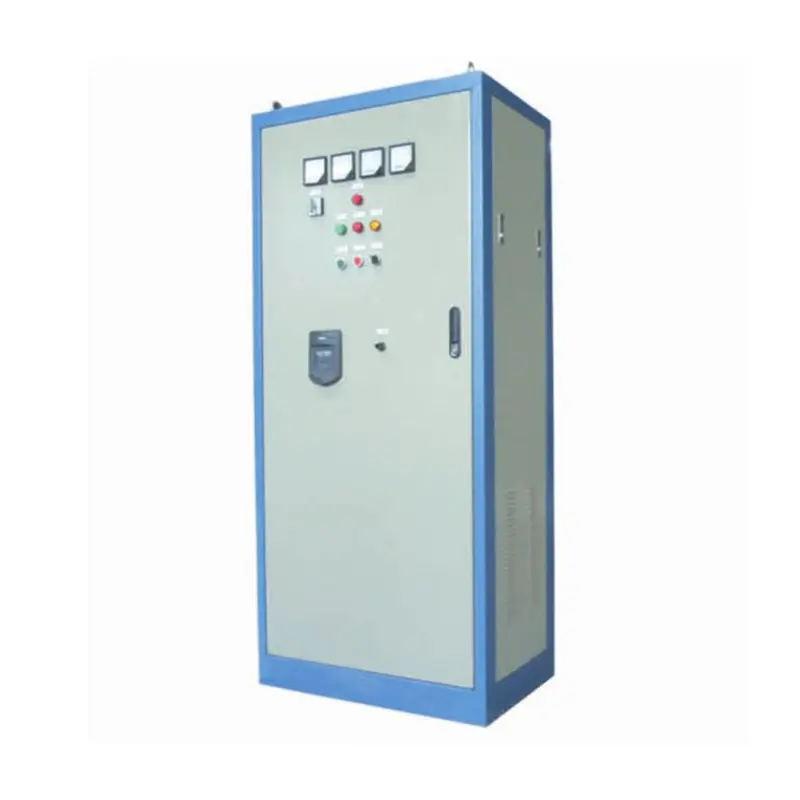
Field Case: A Fridge Saved by a Proper Distribution Board
A family in a coastal town lost power to the kitchen during a storm. When the utility restored supply, a voltage swell reached the panel. The refrigerator compressor began to buzz and smell. The low voltage distribution board's surge-protected breaker opened within a fraction of a second, isolating the circuit before the compressor burned out. A cheaper board without that protection would have meant a ruined appliance and a fire risk.
The Day a Surge Reached the Kitchen
The incident showed how the last line of defense is the distribution design, not the utility. Good boards combine overcurrent protection, residual-current protection, and surge suppression in one coordinated system. The family later learned their neighbor, on an older board, lost two appliances that same night.
What the Board Revealed
An electrician's follow-up inspection found loose neutral connections elsewhere in the low voltage distribution network, a condition that can cause uneven voltages across phases. Tightening and torque-checking the busbars removed a recurring intermittent fault. The board had done its job, but the audit caught the deeper issue.
Appliance longevity tracks power quality more closely than most owners expect. Motors in refrigerators and compressors wear faster when voltage sags or surges, even if they survive the event. A well-designed low voltage distribution system holds voltage within band and isolates faults fast, which quietly extends the life of every device plugged downstream of it.
Risk Analysis: What Poor Distribution Allows
A weak or outdated distribution system permits failures that damage appliances and threaten occupants.
Overload and Hidden Heating
Undersized wiring behind a board heats when a heater and oven run together. Without a correctly set breaker, the conductor insulation degrades silently until it shorts. Proper low voltage distribution sizes each circuit so the protective device trips long before the wire reaches a dangerous temperature.
The margin is the point. A breaker set even slightly above the wire's capacity removes the safety entirely, which is why derating for ambient heat and cable bundling matters. A low voltage distribution design that ignores installation conditions can pass a paper review yet fail inside a hot plant room.
Missing Earth Protection
Without residual-current protection, a fault to a metal appliance casing can energize the surface.
Older installations that predate modern wiring rules often rely on fuse wire or outdated breakers with no earth-leakage path. Retrofitting RCD protection at the board is one of the highest-return safety upgrades available, because it addresses the single most common route to a serious shock. A low voltage distribution review should flag every circuit lacking it. A person touching it becomes the path to ground. Residual-current devices (RCDs) detect that leakage and cut power in tens of milliseconds. Buildings lacking them rely on the fault growing large enough to trip a standard breaker, which may be too late.
Technical Analysis of Safe Low Voltage Distribution
Safety emerges from coordination among three elements rather than any single device.
Breakers, RCDs, and Earthing Together
A circuit breaker handles overcurrent; an RCD handles leakage to earth; earthing provides a controlled path so faults become detectable and clearable. Effective low voltage distribution ties these together with bonded neutrals and tested earth electrodes. Hongxin AIOT distribution components are specified to coordinate trip curves so the nearest device acts first, limiting outage spread.
IEC 60364 and NFPA 70 Rules
IEC 60364 sets the international wiring rules: circuit protection, bonding, and selectivity. In the United States, NFPA 70 (the National Electrical Code) governs the same territory, with OSHA 29 CFR 1910.303 reinforcing workplace electrical safety where applicable. A compliant board references the relevant standard and carries the marking to prove it during inspection.
Surge protection deserves a place in the same discussion. Transient overvoltage from lightning or grid switching can destroy sensitive electronics in a moment. A low voltage distribution board that combines overcurrent, residual-current, and surge protection in one coordinated enclosure gives appliances a single, tested line of defense rather than three unrelated afterthoughts.
Practical Design, Inspection, and Maintenance
Good design fails without disciplined upkeep.
How to Choose Components That Fit
Size each circuit for its real load and add headroom for future appliances. Specify RCD protection on sockets and wet areas, and choose breakers with trip curves that coordinate with upstream devices. For a low voltage distribution upgrade, verify IEC 60364 or NFPA 70 conformance and request the certification. Hongxin AIOT supplies the coordination data so installers set the right ratings the first time.
Do not forget labeling. A board that is correctly specified but unlabeled invites later mistakes, when a different technician adds a circuit and oversizes a breaker to "make it work." Clear, durable circuit identification is part of safe low voltage distribution and should be treated as a deliverable, not an afterthought.
Checks That Keep the System Safe
Test RCDs with the built-in button monthly and with a calibrated tester annually. Torque-check terminals every few years, because thermal cycling loosens connections. Inspect for warmth, buzzing, or discoloration around the board. Any low voltage distribution component that has cleared a major fault should be assessed before reuse.
Keep the original specification sheet with the board. Years later, an upgrade or insurance query will need the exact ratings and trip curves, and a missing document leads to guesswork or a full replacement. Hongxin AIOT provides rating and coordination data that lets an owner confirm a safe like-for-like swap rather than over-specifying from memory.
Frequently Asked Questions
Question: What protects appliances from a voltage surge at home?
A coordinated low voltage distribution board combining a surge protector, a correctly rated breaker, and proper earthing absorbs or isolates the swell before it reaches the appliance. The breaker opens fast, the earthing gives the fault a safe path, and the surge device clamps excess voltage.
Question: What does an RCD actually do?
A residual-current device compares current flowing out and returning on a circuit. If leakage to earth appears, even a small amount, the RCD cuts power in milliseconds. This protects people from electric shock and limits damage when an appliance develops a fault to its casing.
Question: Which standard governs residential distribution?
Internationally, IEC 60364 defines wiring and protection rules for low-voltage installations. In the United States, NFPA 70 (the NEC) serves that role, with OSHA 29 CFR 1910.303 covering workplace aspects. A compliant board carries the relevant marking and certification for the market.
Question: How often should a distribution board be inspected?
A monthly RCD test button press is good practice, with a professional torque and insulation check every two to three years. Thermal cycling loosens terminals, so a low voltage distribution system that is never inspected can develop hidden heating long before a breaker trips.
Question: Why coordinate breaker trip curves?
Coordination ensures the device closest to a fault trips first, isolating a small section instead of darkening the whole building. Without it, an upstream breaker may act and cut power broadly. Good low voltage distribution publishes the trip curves so installers set selective protection.
Question: When should distribution components be replaced after a fault?
Any breaker that has interrupted a severe fault should be tested before reuse, because contacts degrade. A low voltage distribution board that shows heat damage, odor, or melted insulation needs component replacement regardless of age. Hongxin AIOT provides rating and coordination data to confirm a safe like-for-like swap.