 EN

How a Factory Cut Power Blind Spots With Smart Metering
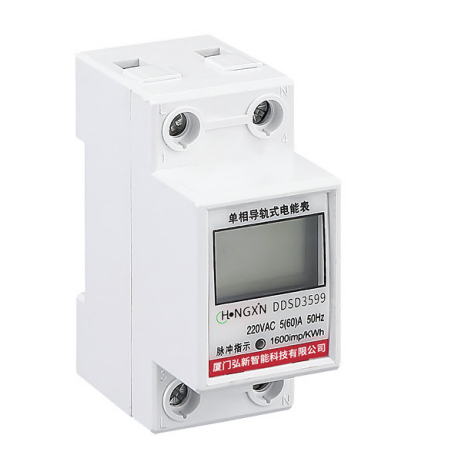
A commercial-building operator in the industrial sector once ran its electrical rooms with nothing but electromechanical disc meters at the main intake. Staff walked the floors once a month, squinted at dials, and copied numbers into a logbook. When the Hongxin power distribution system was deployed, the same site gained central monitoring through a single-phase smart meter network and an energy-management platform. That change turned a monthly guess into a continuous view.
Hongxin Intelligent Technology, covered in detail on the About us page, has applied this pattern across real renovations: communications base stations, low-carbon campuses, and rail transit stations. In the communications case, a smart meter at each base station tracked standby load that once ran unseen. In the campus case, a smart meter flagged overloaded lines before they failed. In each project a smart meter replaced or supplemented the old register so facility teams could act on data instead of estimates. The industrial and commercial-building case is the clearest example, because central power monitoring depends on a smart meter that reports automatically and feeds one screen.
For the building team, the practical win was simple. A smart meter removed the need to dispatch a person to every floor. A traditional meter could never show that trend without manual work, and a traditional meter left the team reacting after the damage was done.
What Changed When the Building Got Central Monitoring
Before the retrofit, the building had no way to know which tenants drew power at which hour. After the upgrade, a smart meter at each branch fed readings to one dashboard. Overloaded lines that once went unnoticed showed up as load alarms.
The same dashboard also let the manager compare weeks. A smart meter that records interval data turns vague complaints about high bills into a clear chart.
Hidden Costs of Manual Meter Reading
Manual reading looks free until you add the labor, the transcription errors, and the late detection of waste. A traditional meter hides consumption between visits. A smart meter removes the walk and the guesswork, and it captures the spikes that a monthly visit always misses.
What You Lose by Keeping Traditional Meters
Traditional electromechanical and basic electronic meters were built for one job: totalizing energy between occasional visits. They still do that, but they leave gaps that modern operations cannot afford. A smart meter fills those gaps with data, alerts, and control, while a traditional meter keeps the site blind between reads. A traditional meter answers one question — how much energy passed — long after the fact.
Safety and Tamper Risks You Can't See
A disc meter gives no alarm when someone bypasses it or when a connection heats up. A smart meter can flag abnormal current, reverse flow, or cover-open events. In rail and campus renovations, the ability to catch unsafe conditions early is what protects equipment and people. A smart meter that reports tamper status turns a silent risk into a manageable alert.
How a Smart Meter Works — and Why It Beats Electromechanical Reading
Inside a modern smart meter sits a metering core, a communication module, and firmware that stores interval data. Unlike a spinning disc, the device samples voltage and current many times per second and computes active and reactive energy with high accuracy. A smart meter does not wear a mechanical movement, so its accuracy holds longer under load swings than a disc meter that drifts as the bearing ages.
Two-Way Communication and AMI Explained
AMI, or advanced metering infrastructure, means the smart meter talks to a head-end system both ways. The utility or building manager pushes settings and pulls data without sending anyone on site. A single-phase smart meter with RS485 or 4G does this over a wired bus or a cellular link. Compare that with a traditional meter, which stays silent until a human reads it. A smart meter with two-way comms also supports remote firmware and parameter updates, which keeps the device current without a truck roll. This two-way path is why a smart meter can join a larger energy system instead of standing alone. A traditional meter has no path to join anything.
Load Profiling, Real-Time Data, and Prepaid
A smart meter builds a load profile — energy use by interval — that exposes peak demand and idle waste. Real-time data lets a manager shed load before a penalty. Prepaid modes, common in remote 4G product lines, let owners control credit remotely. A traditional meter offers none of these. A smart meter that supports prepaid also reduces disputes, because consumption and balance are recorded on the device and the platform at the same time, and a smart meter makes the whole billing relationship transparent. A smart meter that profiles load also helps size future equipment, because the historical curve shows true peaks rather than nameplate guesses.
Standards That Make a Smart Meter Trustworthy
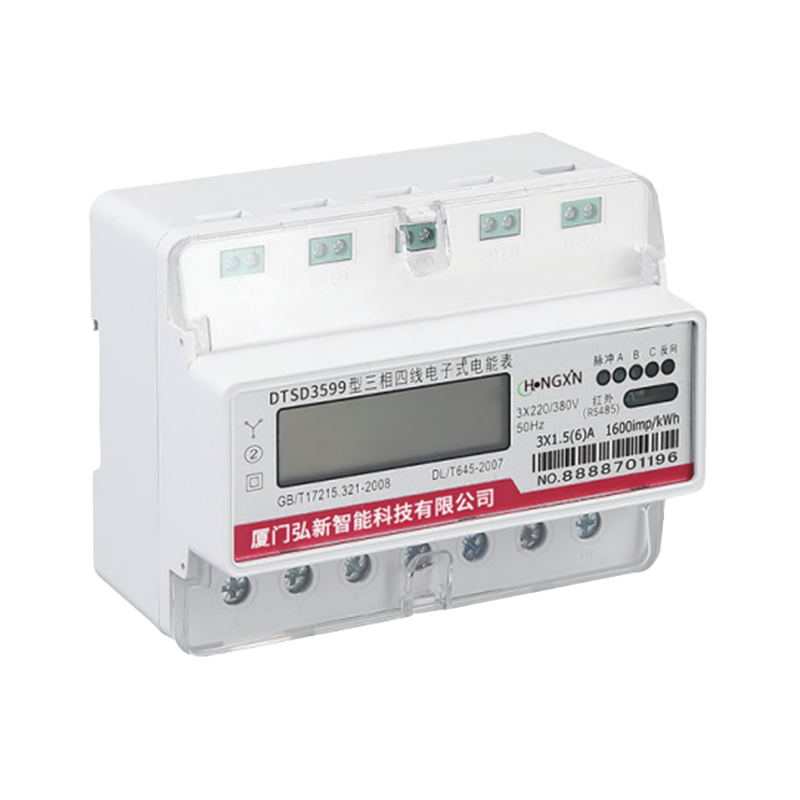
Buyers should not take accuracy on faith. Reputable metering follows audited standards. ANSI C12.20 sets accuracy classes for electricity meters in North America. IEC 62052 and IEC 62053 define general requirements and the accuracy of static meters. IEC 62056 (DLMS/COSEM) governs the data model and communication a smart meter uses to exchange readings. IEC 61000 covers electromagnetic compatibility so a smart meter survives noisy switchgear environments. NFPA 70 (NEC) and OSHA 29 CFR 1910 guide safe electrical installation and worker protection. ISO 9001 signals that the manufacturer runs a controlled quality system. Hongxin Intelligent Technology operates under this kind of disciplined process across its electricity meters and complete-set products, which supports buyer confidence in every smart meter delivered to a jobsite.
Together these references mean a smart meter bought to spec will read within its stated class, resist interference from nearby equipment, and install inside code-compliant panels. A smart meter that carries these credentials is also easier to approve for public tenders and cross-border projects. For buyers, these standards are not paperwork — they are the difference between a reading you can bill on and a reading you must explain.
Picking, Checking, and Maintaining a Smart Meter
Selection starts with the service: single-phase or three-phase, current rating, and the communication path available on site. A remote or prepaid deployment needs a clear network plan. A smart meter only delivers value when it matches the site, so specification matters more than the headline features, and a smart meter chosen for the wrong network will sit silent no matter how good its core is.
What to Check Before You Specify a Meter
Confirm the accuracy class against IEC 62053 or ANSI C12.20 for your market. Verify the communication protocol matches your system — DLMS/COSEM over RS485 or 4G. Check the enclosure rating and the wiring method against NFPA 70. Ask the supplier for test reports rather than claims. A smart meter that meets the right standard is easier to approve and integrate, and a smart meter backed by ISO 9001 paperwork is simpler to qualify for a public or industrial tender.
Routine Inspection and Maintenance Tips
A smart meter needs far less care than a disc meter, but it is not zero-care. Review interval data monthly for drift or missing reports. Confirm the communication link stays healthy. Inspect terminals for heat marks during scheduled shutdowns. Keep firmware updated through the manufacturer's process. These steps protect the accuracy a smart meter is meant to deliver, and they keep the device useful across its service life. A smart meter that is checked on a calendar outlasts one that is forgotten until a bill looks wrong. Keep a simple commissioning record with the meter serial, firmware version, and set parameters. A smart meter is only as trustworthy as the setup behind it, so document the baseline at handover.
Frequently Asked Questions
Question: What is the main advantage of a smart meter over a traditional meter?
Answer: A smart meter sends readings automatically and continuously, removing manual visits and late detection of waste. Unlike a traditional meter that stays silent between reads, a smart meter supports remote reading, real-time data, load profiling, prepaid billing, and tamper alerts from one device. Facilities gain control and visibility that a disc or basic electronic meter cannot provide.
Question: Can a smart meter detect tampering?
Answer: Yes. A smart meter monitors current, voltage, and cover status, then flags reverse flow, abnormal load, or enclosure opening. These events are logged and reported to the head-end system. A traditional meter offers no such signal. For sites with theft or safety risk, a smart meter turns a hidden problem into an actionable alarm that the control room can address quickly.
Question: Do smart meters support prepaid metering?
Answer: Many do. A smart meter with prepaid firmware lets an owner set credit remotely and disconnect or reconnect through the communication link. The single-phase electronic remote prepaid models use 4G for this. A traditional meter cannot enforce balance or credit without a person on site. Prepaid modes reduce billing disputes because usage and remaining credit are recorded together.
Question: Which standards apply to smart meters?
Answer: Accuracy follows ANSI C12.20 in North America and IEC 62053 with IEC 62052 internationally. Communication often uses IEC 62056 DLMS/COSEM. EMC compliance comes from IEC 61000, while NFPA 70 and OSHA 29 CFR 1910 cover safe installation. ISO 9001 reflects the manufacturer's quality system. A smart meter built to these references is easier to qualify for tenders.
Question: Are smart meters more accurate than traditional meters?
Answer: A modern smart meter uses a static metering core with no moving parts, so accuracy holds better over time than a disc meter whose bearing wears. IEC 62053 and ANSI C12.20 define the accuracy classes a smart meter must meet. With proper specification and periodic checks, a smart meter keeps its stated class across load swings and temperature ranges.
Question: How much maintenance does a smart meter need?
Answer: A smart meter needs less care than a disc meter but is not zero-maintenance. Review interval data monthly for drift or gaps, confirm the communication link stays healthy, and inspect terminals for heat marks during shutdowns. Keep firmware updated through the manufacturer's process. These simple steps protect accuracy and extend the useful life of the device.