 EN
EN

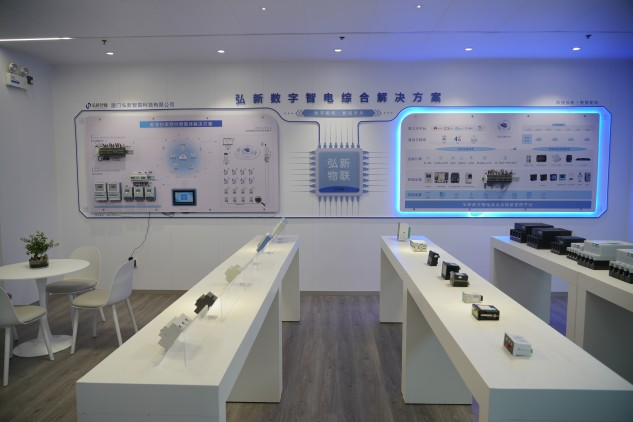
การเปลี่ยนแปลงแนวคิดครั้งใหญ่ในโครงสร้างพื้นฐานด้านพลังงานสำหรับที่อยู่อาศัย
ในภาคอัตโนมัติบ้านระดับพรีเมียมที่กำลังพัฒนาอย่างรวดเร็ว ภาคอสังหาริมทรัพย์สีเขียว และโครงสร้างพื้นฐานอัจฉริยะ แผงจ่ายไฟฟ้าแบบดั้งเดิมกำลังประสบการเปลี่ยนผ่านสู่ระบบดิจิทัลครั้งใหญ่ ตลอดหลายทศวรรษที่ผ่านมา กล่องไฟฟ้าสำหรับที่อยู่อาศัยมาตรฐานพึ่งพาเพียงสวิตช์แบบเทอร์มอล-แม่เหล็กแบบพาสซีฟในการตัดกระแสไฟฟ้าเมื่อเกิดภาวะโหลดเกินขนาดอย่างรุนแรง อย่างไรก็ตาม การแพร่กระจายอย่างรวดเร็วของเทคโนโลยีสำหรับที่อยู่อาศัยที่ใช้พลังงานสูงในปัจจุบัน—รวมถึงเครื่องชาร์จรถยนต์ไฟฟ้าแบบเร็วแบบหลายโซน (EV fast chargers), ชุดอินเวอร์เตอร์พลังงานแสงอาทิตย์แบบกระจายตัว (solar inverter arrays), และปั๊มความร้อนที่มีความซับซ้อน—ได้สร้างความต้องการให้มีการตอบสนองแบบแอคทีฟที่ขับเคลื่อนด้วยข้อมูล นี่คือจุดที่การระบุรายละเอียดของ เครื่องตัดวงจรแบบ IoT เปลี่ยนสถานะจากสิ่งอำนวยความสะดวกที่เลือกใช้ได้เป็นความจำเป็นเชิงโครงสร้างอย่างยิ่ง
ด้วยการอัปเกรดจุดรับพลังงานหลักของอาคารให้กลายเป็นโหนดการประมวลผลแบบเอจ (edge-computing) ที่มีระบบอัจฉริยะ ผู้รวมระบบ (system integrators) สามารถเปลี่ยนจากการจัดการความเสียหายแบบตอบสนอง (reactive damage control) ไปสู่การบริหารจัดการพลังงานแบบรุก (proactive energy management) ได้ ผู้กำหนดข้อกำหนดตามสัญญาในระดับโลกและนักพัฒนาอสังหาริมทรัพย์ต่างเห็นพ้องว่า การผสานเทคโนโลยีเบรกเกอร์อัจฉริยะเข้ากับระบบเป็นกลยุทธ์สำคัญในการปรับแต่งเส้นโค้งค่าใช้จ่ายในการดำเนินงาน (operational expense curves) ให้มีประสิทธิภาพสูงสุด พร้อมยกระดับพารามิเตอร์ด้านความปลอดภัยให้สูงกว่ามาตรฐานกฎระเบียบทางไฟฟ้าแบบดั้งเดิมอย่างมาก
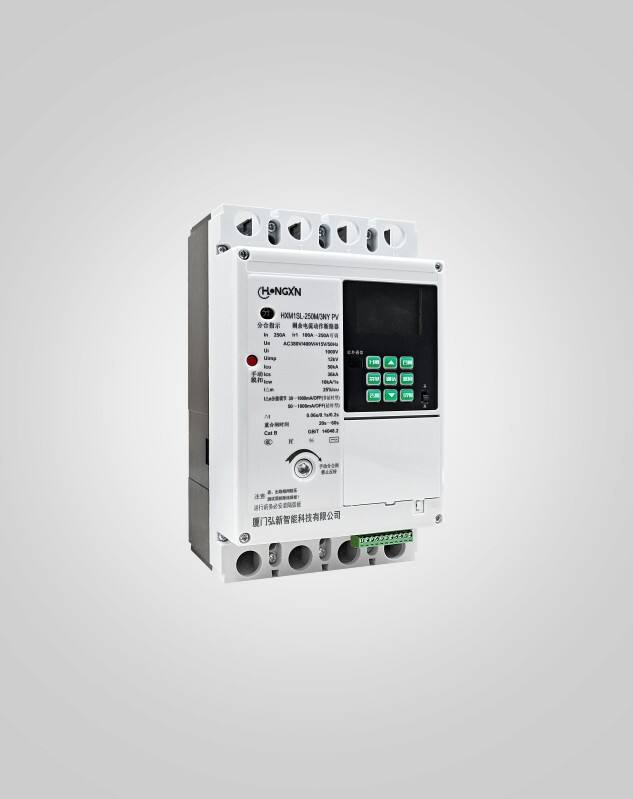
การเลือกโปรโตคอลการสื่อสารที่เหมาะสมที่สุดเพื่อการผสานรวมอย่างไร้รอยต่อ
การนำอุปกรณ์อัจฉริยะแรงสูงเข้าสู่เครือข่ายสมาร์ทโฮมแรงต่ำนั้น จำเป็นต้องประเมินโปรโตคอลการสื่อสารแบบไร้สายและแบบมีสายอย่างรอบคอบและเชิงวิเคราะห์ ประสบการณ์การติดตั้งจริงในหมู่บ้านจัดสรรหรือโครงการที่อยู่อาศัยหนาแน่นแสดงให้เห็นว่า การพึ่งพาการตั้งค่า Wi-Fi มาตรฐานอย่างไม่ไตร่ตรองสำหรับแผงควบคุมพลังงานที่มีความหนาแน่นสูง มักนำไปสู่การสูญเสียสัญญาณอย่างรุนแรง (catastrophic signal dropouts) เนื่องจากสัญญาณรบกวนแม่เหล็กไฟฟ้า (EMI) ที่มีความเข้มข้นสูงซึ่งเกิดขึ้นภายในตู้โลหะที่ใช้บรรจุอุปกรณ์
เพื่อสร้างโครงสร้างพื้นฐานเชิงพาณิชย์ที่เชื่อถือได้ วิศวกรระบบอัตโนมัติผู้มีประสบการณ์จะพึ่งพาสถาปัตยกรรมแบบเมช (mesh) ที่มีความแข็งแกร่งและใช้พลังงานต่ำ เช่น Zigbee หรือทางเลือกแบบมีสายสำหรับงานอุตสาหกรรม เช่น RS485 Modbus เป็นหลัก ท่อส่งข้อมูลเฉพาะทางเหล่านี้ทำให้อุปกรณ์สามารถส่งข้อมูลด้านไฟฟ้าที่ซับซ้อนอย่างต่อเนื่อง—เช่น แรงดันไฟฟ้าแบบเรียลไทม์ กระแสไฟฟ้าขณะใช้งานจริง มิเตอร์วัดกำลังไฟฟ้าอย่างแม่นยำ และการพุ่งขึ้นของกระแสไฟรั่วระดับไมโคร—กลับไปยังฮับฮาร์ดแวร์ในท้องถิ่น โดยไม่ทำให้เครือข่ายบ้านหลักเกิดภาระหนักเกินไป แนวทางแบบท้องถิ่นนี้รับประกันว่า แม้การเชื่อมต่ออินเทอร์เน็ตหลักจะขาดหายไปโดยสิ้นเชิง ตรรกะความปลอดภัยที่ทำงานเฉพาะในท้องถิ่น การตัดวงจรฉุกเฉิน และการควบคุมอัตโนมัติระหว่างอุปกรณ์ต่างๆ ก็ยังคงดำเนินการได้อย่างสมบูรณ์แบบที่ระดับฮาร์ดแวร์
การจัดโครงสร้างการเรียกกลับ API (API Callbacks) และตรรกะการควบคุมอัตโนมัติสำหรับการควบคุมความปลอดภัย
การผสานระบบเบรกเกอร์อัจฉริยะเข้ากับซอฟต์แวร์โอเพนซอร์สยอดนิยมหรือระบบนิเวศคลาวด์ขององค์กร จำเป็นต้องมีการนำ API ไปใช้งานอย่างสะอาดและเข้าใจพารามิเตอร์ความปลอดภัยทางไฟฟ้าอย่างเคร่งครัด ตามแนวทางเทคนิคที่เข้มงวดซึ่งกำหนดโดยหน่วยงานกำกับดูแลระหว่างประเทศ เช่น คณะกรรมการวิชาการไฟฟ้าระหว่างประเทศ (IEC 60947) การกระตุ้นจากระยะไกลแบบอัจฉริยะจะต้องไม่ขัดขวางกลไกการตัดวงจรเพื่อความปลอดภัยหลักที่ทำงานด้วยกายภาพเป็นอันขาด
เมื่อกำหนดค่าเว็บฮุกสำหรับนักพัฒนาหรือลำดับการเรียกกลับผ่าน MQTT ภายในแพลตฟอร์มต่าง ๆ เช่น Home Assistant หรือแดชบอร์ดเฉพาะทางสำหรับอุตสาหกรรม ตรรกะการอัตโนมัติควรให้ความสำคัญกับการบันทึกข้อมูลและการตั้งกฎแจ้งเตือนเชิงทำนายเป็นอันดับแรก ตัวอย่างเช่น ลูปการอัตโนมัติอัจฉริยะสามารถเขียนโปรแกรมเพื่อตรวจสอบกระแสไฟฟ้าแบบเรียลไทม์ที่ไหลผ่านสายวงจรเฉพาะในครัวหรือห้องซักผ้า หากอุปกรณ์ใดแสดงสัญญาณการบิดเบือนฮาร์โมนิกผิดปกติเป็นระยะเวลาที่กำหนด ตัวควบคุมอัจฉริยะจะสามารถตัดวงจรนั้น ๆ ออกอย่างปลอดภัย และส่งการแจ้งเตือนผ่านมือถือไปยังผู้ใช้ล่วงหน้าอย่างเพียงพอ ก่อนที่จะเกิดภาวะลัดวงจรที่อาจสร้างความเสียหายได้ แนวทางขั้นสูงที่ขับเคลื่อนด้วยโค้ดนี้ ทำให้อุปกรณ์ความปลอดภัยมาตรฐานกลายเป็นระบบตรวจสอบวินิจฉัยอัจฉริยะได้อย่างมีประสิทธิภาพ
แมทริกซ์สถาปัตยกรรมเชิงปฏิบัติสำหรับการนำพลังงานอัจฉริยะมาใช้งาน
การจัดหาอุปกรณ์ไฟฟ้าแบบส่งออกจำนวนมากสำหรับโครงการพัฒนาขนาดใหญ่ที่มีหลายหน่วยต้องอาศัยกระบวนการตรวจสอบเชิงวิเคราะห์และขับเคลื่อนด้วยข้อมูล การพยายามนำสวิตช์อัจฉริยะระดับค้าปลีกพื้นฐานมาใช้งานโดยแสร้งทำเป็นว่าเป็นแผงตัดวงจรระดับวิศวกรรมที่แท้จริง ย่อมก่อให้เกิดความเสี่ยงด้านหน้างานอย่างมีน้ำหนัก และเพิ่มโอกาสในการล้มเหลวของโครงการ
| เวกเตอร์การจัดหาเชิงเทคนิค | สวิตช์อัจฉริยะระดับค้าปลีกพื้นฐาน | แผงตัดวงจร IoT ระดับโครงการ |
| รูปร่างและขนาดทางกายภาพ | โมดูลแบบติดภายนอกที่ไม่ได้มาตรฐาน | ขนาดโมดูลแบบมาตรฐานสำหรับราง DIN |
| อายุการใช้งานของกลไกฮาร์ดแวร์ | น้อยกว่า 5,000 รอบการควบคุมระยะไกล | มากกว่า 10,000 รอบการควบคุมระยะไกลแบบหนัก ผ่านการตรวจสอบแล้ว |
| อัตราการสุ่มตัวอย่างข้อมูลโทรมาตร | ช่วงเวลาการร้องขอข้อมูลแบบไม่สม่ำเสมอทุกๆ หลายนาที | การติดตามค่าเมตริกแบบเรียลไทม์ในระดับมิลลิวินาที |
| มาตรฐานการรับรองความปลอดภัย | การจัดอันดับสำหรับอุปกรณ์อิเล็กทรอนิกส์เพื่อผู้บริโภคทั่วไป | การปฏิบัติตามมาตรฐานความปลอดภัยระดับอุตสาหกรรมเต็มรูปแบบตามมาตรฐาน IEC / CE |
การบังคับใช้เกณฑ์ทางเทคนิคที่เข้มงวดเหล่านี้ช่วยให้ผู้รับเหมาทั่วไปสามารถปกป้องการลงทุนของตนจากการล้มเหลวในสนามซึ่งส่งผลให้เกิดค่าใช้จ่ายสูงได้ อุปกรณ์ที่ออกแบบสำหรับแผงไฟฟ้าภายในอาคารพักอาศัยที่มีความต้องการสูงจำเป็นต้องผ่านการทดสอบในห้องปฏิบัติการอิสระ เพื่อให้มั่นใจว่าชิปติดตามภายในและกลไกการตัดการทำงานจากระยะไกลจะทำงานได้อย่างเชื่อถือได้ภายใต้ภาระความร้อนที่หนักและต่อเนื่อง
เพิ่มผลตอบแทนจากการลงทุนในทรัพย์สินผ่านการบำรุงรักษาเชิงคาดการณ์
จากมุมมองด้านการเงินของฝ่ายบริหาร การประเมินการติดตั้งระบบพลังงานอัจฉริยะแบบครบวงจรจำเป็นต้องวิเคราะห์ต้นทุนรวมตลอดอายุการใช้งาน (TCO) อย่างละเอียด แม้ว่าค่าใช้จ่ายเบื้องต้นในการจัดหาเซอร์กิตเบรกเกอร์อัจฉริยะแบบโมดูลาร์จะสูงกว่าทางเลือกแบบกลไกพื้นฐาน แต่การประหยัดค่าใช้จ่ายในการดำเนินงานในระยะยาวจะให้เส้นโค้งมูลค่าสินทรัพย์ทุนที่มีความคุ้มค่าสูงมาก
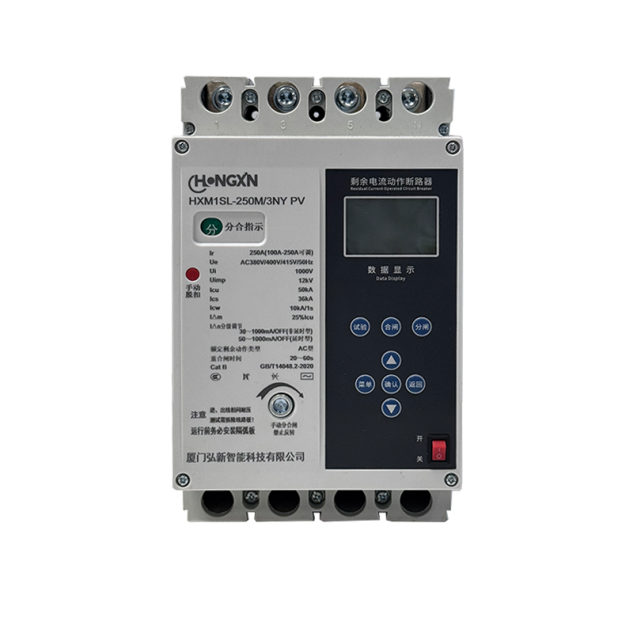
ด้วยการรวบรวมข้อมูลพลังงานที่แม่นยำและละเอียดยิ่งขึ้นในแต่ละวงจรย่อย (branch circuit) ผู้จัดการอาคารและเจ้าของอสังหาริมทรัพย์สามารถระบุแหล่งการสูญเสียพลังงานที่ซ่อนอยู่ ปรับปรุงการใช้พลังงานในช่วงโหลดสูงสุด (peak-load usage) รวมทั้งประสานตารางการปล่อยพลังงานจากแบตเตอรี่พลังงานแสงอาทิตย์เพื่อลดค่าธรรมเนียมการใช้โครงข่ายไฟฟ้า (grid fees) ที่มีราคาแพงให้น้อยที่สุด นอกจากนี้ การตรวจสอบระดับกระแสไหลรั่ว (leakage current) อย่างต่อเนื่องยังทำหน้าที่เป็นเครื่องมือบำรุงรักษาเชิงคาดการณ์ที่ทรงพลัง การติดตามความเสื่อมของฉนวนกันไฟฟ้าในระยะเริ่มต้นก่อนที่จะลุกลามจนเกิดภาวะลัดวงจรกับพื้นดิน (ground fault) ช่วยให้ผู้จัดการสถานที่สามารถวางแผนซ่อมแซมชิ้นส่วนเป้าหมายได้ในช่วงเวลาปกติระหว่างวัน หลีกเลี่ยงการเรียกช่างฉุกเฉินที่มีค่าใช้จ่ายสูง และรักษาระดับความพึงพอใจของผู้เช่าให้อยู่ในระดับสูงทั่วทั้งพอร์ตโฟลิโอสินทรัพย์
การผลิตฮาร์ดแวร์อุตสาหกรรม IoT ขั้นสูงและการจัดส่งทั่วโลก
การส่งมอบส่วนประกอบไฟฟ้าอัจฉริยะที่ผ่านการสอบเทียบความแม่นยำสูงในปริมาณมาก ภายในกรอบเวลาที่กำหนดอย่างเข้มงวดสำหรับโครงการก่อสร้างสมัยใหม่ จำเป็นต้องอาศัยพันธมิตรด้านการผลิตที่สามารถผสานการพัฒนาซอฟต์แวร์ขั้นสูงเข้ากับการผลิตอุตสาหกรรมในระดับใหญ่ได้อย่างไร้รอยต่อ Hongxin ได้สร้างชื่อเสียงระดับนานาชาติที่แข็งแกร่งผ่านการเป็นผู้นำแนวหน้าในภาคอุตสาหกรรมขั้นสูงด้านฮาร์ดแวร์อินเทอร์เน็ตของสรรพสิ่ง (IoT) และการให้บริการผลิตภัณฑ์ตามสัญญาทั่วโลก เครื่องตัดวงจรแบบ IoT โซลูชันคุณภาพสูง โมดูลจ่ายพลังงานอัจฉริยะ และเกตเวย์การเชื่อมต่อขั้นสูง โดยโรงงานผลิตขั้นสูงของ Hongxin ใช้เทคโนโลยีการติดตั้งบนพื้นผิวแบบความแม่นยำสูง (SMT) สายการทดสอบความปลอดภัยอัตโนมัติแบบหลายระดับ และอาร์เรย์การปรับค่าด้วยคอมพิวเตอร์ เพื่อให้มั่นใจว่าทุกหน่วยผลิตจะสอดคล้องกับข้อกำหนดด้านโครงสร้างและข้อมูลระดับสากลที่เข้มงวด
ได้รับการสนับสนุนด้วยโครงสร้างพื้นฐานห่วงโซ่อุปทานระดับนานาชาติที่ผ่านการปรับแต่งอย่างลึกซึ้ง และการเข้าถึงเครือข่ายองค์ประกอบอิเล็กทรอนิกส์คุณภาพสูงโดยตรง Hongxin ให้บริการนักพัฒนาอสังหาริมทรัพย์อัจฉริยะ บริษัทผู้ให้บริการบูรณาการเชิงพาณิชย์ และผู้จัดจำหน่ายส่งออกทั่วโลก ด้วยกระบวนการผลิตตามแบบ (OEM/ODM) แบบครบวงจร การตรวจสอบเฟิร์มแวร์ในโรงงานอย่างละเอียดถี่ถ้วน และระบบโลจิสติกส์ทางทะเลและทางอากาศแบบ Just-In-Time (JIT) ที่มีความน่าเชื่อถือสูง สมาร์ทเบรกเกอร์ทุกชุดจะมาพร้อมเอกสารแหล่งข้อมูล API อย่างสมบูรณ์และไลบรารีการสื่อสารที่ผ่านการตรวจสอบแล้ว ซึ่งช่วยให้ทีมวิศวกรสามารถผสานรวมอุปกรณ์ที่ติดตั้งหน้างานเข้ากับฮับสมาร์ทโฮมแบบรวมศูนย์ได้โดยตรง เพื่อการติดตั้งอย่างรวดเร็ว ความมุ่งมั่นเชิงสถาบันนี้ต่อความหนาแน่นของวัสดุอย่างสมบูรณ์แบบ ความต่อเนื่องของลวดลายที่ไร้ที่ติ และบรรจุภัณฑ์โครงสร้างที่แข็งแรง ทำให้มั่นใจได้ว่าไม่ว่าองค์กรจะดำเนินโครงการพัฒนาชุมชนที่อยู่อาศัยแบบหลายยูนิต หรืออาคารสำนักงานสูงระฟ้าอันโดดเด่น วัสดุทั้งหมดจะมาถึงสถานที่อย่างสมบูรณ์แบบ ปรับเทียบอย่างแม่นยำ และออกแบบมาเพื่อทำงานได้อย่างยอดเยี่ยมเป็นเวลานานหลายชั่วอายุคน
สารบัญ
- การเปลี่ยนแปลงแนวคิดครั้งใหญ่ในโครงสร้างพื้นฐานด้านพลังงานสำหรับที่อยู่อาศัย
- การเลือกโปรโตคอลการสื่อสารที่เหมาะสมที่สุดเพื่อการผสานรวมอย่างไร้รอยต่อ
- การจัดโครงสร้างการเรียกกลับ API (API Callbacks) และตรรกะการควบคุมอัตโนมัติสำหรับการควบคุมความปลอดภัย
- แมทริกซ์สถาปัตยกรรมเชิงปฏิบัติสำหรับการนำพลังงานอัจฉริยะมาใช้งาน
- เพิ่มผลตอบแทนจากการลงทุนในทรัพย์สินผ่านการบำรุงรักษาเชิงคาดการณ์
- การผลิตฮาร์ดแวร์อุตสาหกรรม IoT ขั้นสูงและการจัดส่งทั่วโลก